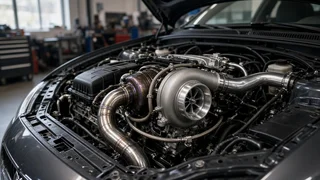
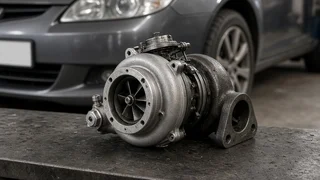
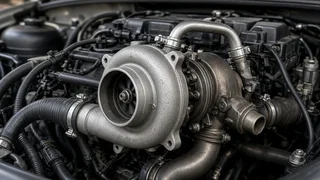
How to Install a Turbocharger on a Car
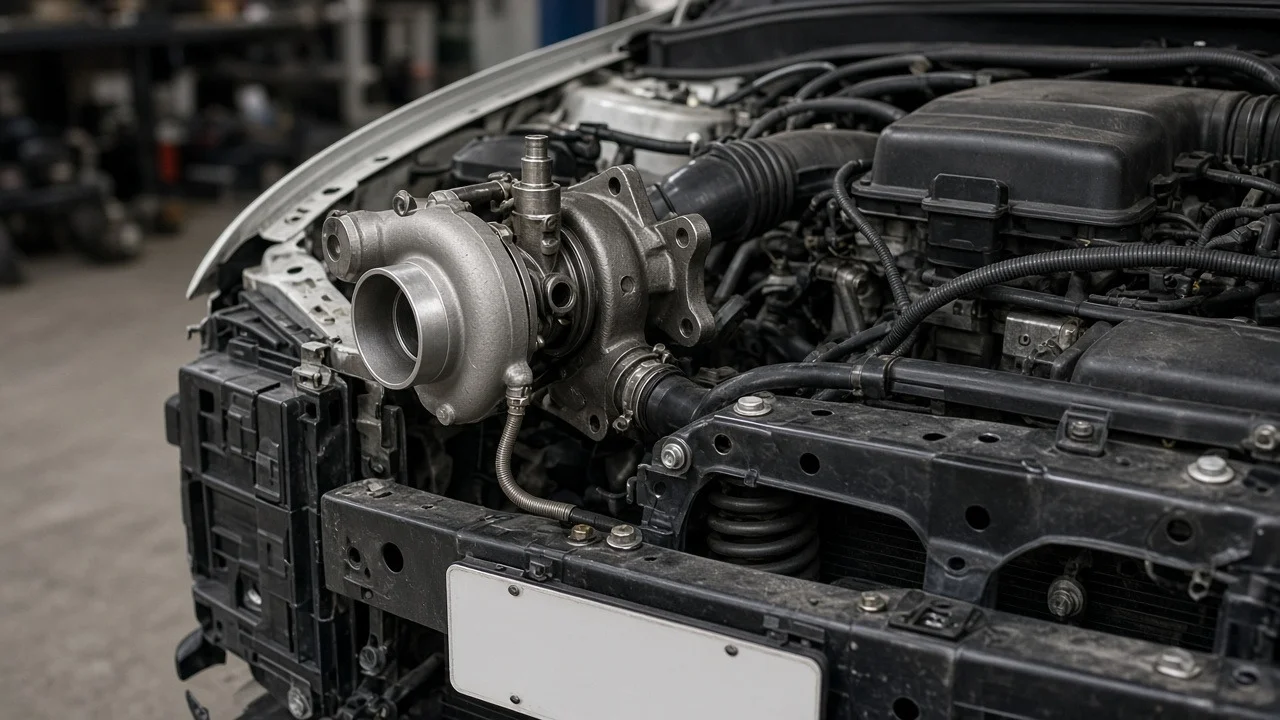
Adding a turbocharger changes how an engine builds power by using exhaust gas to spin a turbine and force more air into the cylinders. Installing one on a car that was not originally turbocharged is a major modification, not a simple bolt-on task. It requires space for the turbine and compressor, a supply of clean oil and coolant where applicable, and the ability to manage added boost pressure without causing detonation or excessive heat. A universal turbocharger does not fit every vehicle, so the installation must be planned around the specific intake and exhaust layout, available oil connections, and engine-management controls.
Direct answer
A turbocharger can be added to many cars, but it cannot fit any car without significant supporting work. The unit needs a stable mounting point on or near the exhaust manifold, a compressor outlet routed toward the throttle body, and clearance for the turbine housing and downpipe. On a naturally aspirated engine, there may be no factory oil feed or drain location, so you must create a reliable supply and a gravity-assisted return that avoids pressure building inside the center housing. Packaging is often the first limit: brake lines, fans, air conditioning components, and the hood may all interfere.
Any installation must also account for fuel delivery and charge-air temperature. When boost pressure rises, the engine needs additional fuel to keep the air-fuel mixture safe, and hotter compressed intake air can promote knock. An intercooler reduces that heat, but it also requires ducts and hose connections that can create pressure loss if they are poorly routed. Because a fault code or failed component after installation is only evidence of a problem, not proof that the turbo itself is defective, the whole system should be inspected before replacing parts.
How to proceed
Begin by confirming the vehicle has the physical room and the necessary oil, coolant, intake, and exhaust provisions or the ability to accept them safely. Drain or isolate fluids as needed and disconnect the negative battery terminal. When fitting the turbocharger, install the exhaust manifold adapter or turbo manifold first, then mount the turbine and compressor assembly so the compressor outlet points toward the intercooler piping path. The oil feed should use a clean, filtered pressure source, while the drain must slope downward continuously to prevent oil contamination and seal leakage.
Route the intercooler plumbing and secure every hose connection with proper clamps because a loose coupler under boost can cause sudden power loss and over-speeding of the turbo. Reconnect or modify the intake and install a suitable air filter ahead of the compressor inlet. Before starting the engine, check for coolant and oil leaks at each fitting and rotate the compressor wheel by hand where accessible to confirm it spins freely. After the first start, let the engine idle while you watch oil pressure and listen for contact between rotating parts and nearby lines, then complete a low-load drive before applying full boost.