How to Install a Trailer Brake Controller on a 2019 Ford Ranger
Adding a trailer brake controller to a 2019 Ford Ranger gives the driver proportional control of electric trailer brakes instead of relying solely on the truck's brake pads, rotors, and calipers. The controller interprets braking demand and sends a graduated signal to the trailer, which can improve stability and reduce wear on the truck's friction material. The Ranger may have a factory connector location, but the complete installation depends on trim, towing package, and whether a factory or aftermarket controller is used. Wiring, mounting, and verification require careful attention to vehicle fitment and brake fluid conditions.
Direct answer
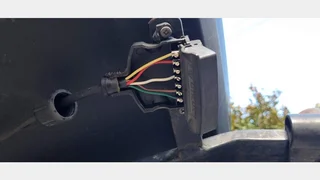
The essential answer is that a 2019 Ford Ranger can accept a trailer brake controller, but the job involves more than bolting a box under the dash. On many examples, the truck includes a blunt-cut harness and a connector near the driver's side lower dash or behind a small panel. An aftermarket controller may need a vehicle-specific adapter, while a factory-style controller may require programming by a dealer or a scan tool before it will operate. The exact path depends on whether the Ranger already has the factory tow package and the type of controller selected.
A proportional controller is generally preferred because it applies trailer braking force in relation to the truck's deceleration. This reduces the tendency for the trailer to push the Ranger during hard stops, which can lower heat load on the truck's brake rotors and help preserve friction material. The trailer's own brakes still need mechanical inspection, but the controller is what sends the electric signal through the seven-way connector. If the brake fluid is low or the truck's hydraulic system is weak, the controller cannot compensate for poor tow vehicle braking.
How to proceed
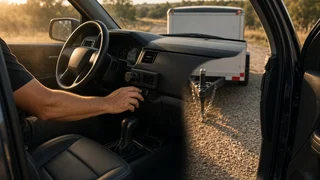
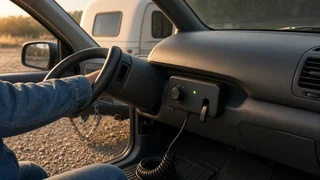
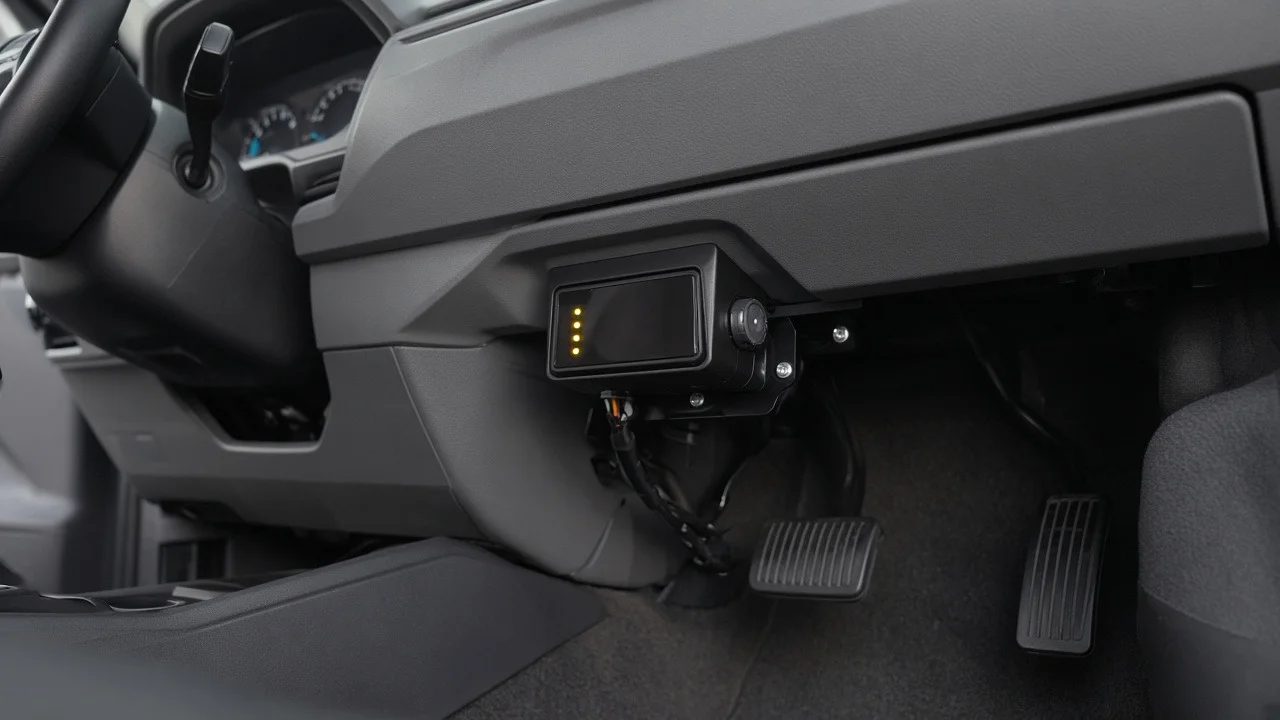
Begin by confirming the factory tow package and locating the harness connector under the left side of the instrument panel. Disconnect the battery negative cable before working with electrical plugs, and avoid cutting factory wiring when a vehicle-specific adapter harness is available. The controller's ground, power feed through an appropriate circuit breaker, brake signal input, and blue trailer brake output must be connected according to the controller and adapter instructions. Securely mount the controller where the driver can reach the manual lever without interfering with knee travel or the brake pedal.
After the wiring is complete, reconnect the battery and perform a stationary check using the controller's manual override with the trailer connected. The trailer brakes should energize proportionally as the gain is increased while parked. A short test drive in an empty lot at low speed can confirm that light pedal pressure begins trailer braking without grabbing. If a factory-type controller is installed, instrument cluster display changes or steering wheel button functions may require dealer or scan-tool enablement. Any unusual smoke, hot insulation, or inconsistent trailer braking is a stop condition that requires the system to be disconnected and inspected before further driving.