How to Drive a CVT Transmission: Smooth Habits, Modes and What to Avoid
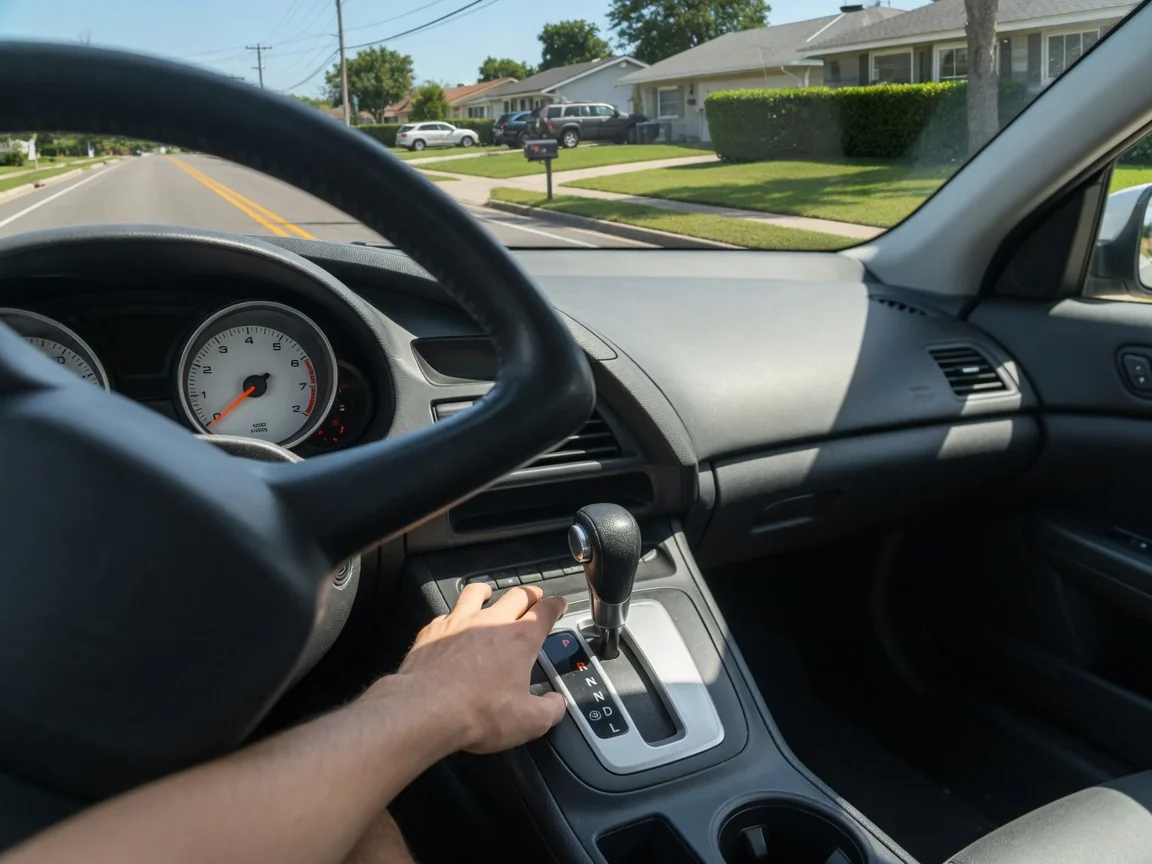
Driving a continuously variable transmission requires adjusting habits shaped by stepped gears. A CVT changes ratios seamlessly, so engine rpm behaves differently, and everyday inputs influence smoothness and durability. Knowing what a CVT feels like, when to use its modes, and which habits stress it helps owners drive with greater control and avoid unnecessary wear. The following sections explain normal operation, smooth acceleration, low-speed situations, manual and sport modes, harmful driving habits, and warning signs that warrant a professional check.
What Driving a CVT Feels Like and Why It Behaves That Way
A CVT changes its ratio continuously rather than stepping through fixed gears, so there are no distinct shift points. In simple terms, the transmission constantly adjusts the effective gear ratio to match engine speed to vehicle speed. Under acceleration, the engine may hold a steady or gradually rising rpm while the car gains speed, which sounds different from a traditional automatic that drops rpm at each upshift. This is normal behavior for a CVT and reflects the belt or chain moving along variable-diameter pulleys.
The 'rubber band' sensation many drivers notice is the lag between engine speed and road speed as the transmission adjusts its ratio and then accelerates the car. It is a normal characteristic, not a fault. Some CVTs are programmed to simulate stepped shifts under harder acceleration, creating brief rpm drops that mimic a conventional automatic; whether this occurs depends on the vehicle's design and calibration. New CVT drivers can distinguish normal operation from genuine problems by noting whether rpm responds smoothly to pedal input without flaring, and by watching for warning signs described later, such as shudder or a warning light.
Smooth Acceleration and Cruising Habits That Suit a CVT
Smooth acceleration suits a CVT best. A progressive, steady throttle input lets the transmission adjust its ratio gradually, producing seamless acceleration and reducing belt slip. In contrast, stabbing the pedal can cause the engine to race before the transmission ratio catches up, amplifying the rubber band effect and increasing stress. Once up to speed, easing off the throttle slightly allows the CVT to settle into a lower-rpm ratio for relaxed cruising, which reduces engine noise and can improve fuel efficiency, though actual figures vary by vehicle.
For merging and passing, use a firm, deliberate press of the pedal rather than repeated on-off inputs. This gives the CVT a clear signal to lower its ratio and provide stronger acceleration without the confusion of rapid throttle changes. Looking ahead in traffic and anticipating stops helps the driver make fewer abrupt speed changes, which benefits both smoothness and efficiency. Gentle deceleration by releasing the throttle early also lets the transmission adjust gradually, rather than forcing it to respond to sudden braking followed by acceleration.
Starting, Stopping, Stop-and-Go Traffic and Hills
From a stop, pull away gently with light throttle, letting the CVT engage smoothly. In slow traffic, use the vehicle's creep to move forward at idle or with very light throttle, avoiding constant throttle blips that make the transmission hunt between ratios. On an incline, hold the car with the brakes, not the throttle, to prevent unnecessary heat in the transmission. Many vehicles have a hill-hold feature that keeps the brakes applied briefly after the pedal is released, but confirm this in the owner's manual before relying on it.
Always come to a complete stop before shifting between Drive and Reverse, and hold the brake while selecting a gear to reduce shock through the driveline. On steep climbs, maintain a steady throttle and let the CVT choose the appropriate ratio; on long descents, use engine braking by selecting a lower range or mode if available, as described in the next section. This reduces reliance on the wheel brakes and helps keep speed controlled without overheating the friction brakes.
How to Use Manual, Sport and Low Modes on a CVT
Manual or paddle-shift mode on a CVT selects preset simulated ratios, allowing the driver to step through a fixed number of positions. The exact number and shift behavior vary by vehicle, so check the owner's manual. These modes are useful for holding a specific ratio on winding roads or for engine braking on descents. They do not unlock actual gears, but they make the CVT mimic them by holding the pulleys at set positions. The system may upshift automatically at high rpm or refuse a downshift that would over-rev the engine; this is normal protective behavior.
Sport mode keeps the engine rpm higher and makes throttle response sharper, useful for merging or spirited driving on curvy roads. It may also alter simulated shift points to hold a lower ratio longer. L or B mode provides stronger engine braking by selecting a lower simulated ratio, which is helpful on steep downhills. Confirm the selector labels and intended use in the owner's manual, as meanings vary by manufacturer. Some CVTs have a Low mode that prevents the transmission from exceeding a certain ratio, useful in slow, steep terrain.
Driving Habits That Put Extra Strain on a CVT
Certain habits put extra strain on a CVT. Repeated hard launches, brake-torqueing (holding the brakes and revving the engine), and aggressive full-throttle driving as a regular practice generate excessive heat and stress on the belt or chain, increasing the risk of wear or transmission shudder. Rocking the car back and forth between Drive and Reverse to get out of snow or mud, or spinning the wheels aggressively, can cause the belt to slip and overheat. Gentler options include clearing the area around the tires, using a low mode, applying gentle throttle, or seeking help from another vehicle.
Before towing or carrying heavy loads, check the owner's manual for limits and any special requirements, such as a transmission cooler. Do not assume any capacity without confirming. Also avoid coasting in Neutral, which can cause the transmission to run without proper lubrication to some components and prevents engine braking. Shifting into Park before the vehicle has fully stopped is dangerous and can damage the parking pawl or transmission; always come to a complete stop, hold the brake, then select Park.
Warning Signs While Driving and When to Get a Professional Check
Warning signs while driving a CVT include whining or droning that changes with vehicle speed, shudder when pulling away from a stop, slipping or flaring rpm without matching acceleration, delayed engagement when shifting from Park to Drive or Reverse, and a transmission warning light on the dashboard. Note when the symptom occurs, at what speed, whether the engine is cold or warm, and any dashboard messages. These details help a technician diagnose the issue more accurately, but they do not identify the exact cause on their own.
Guessing a cause from symptoms alone is unreliable because many CVT problems share similar signs. Proper diagnosis requires professional scan tools, fluid inspection, and testing by a qualified technician. The owner's manual or dealer should be consulted for the correct fluid type and maintenance schedules for the specific vehicle, as generic intervals may not apply. Do not attempt do-it-yourself transmission repairs, as incorrect procedures can cause further damage. Instead, consult a professional when any warning signs appear.