How to Downshift a Manual Transmission Smoothly
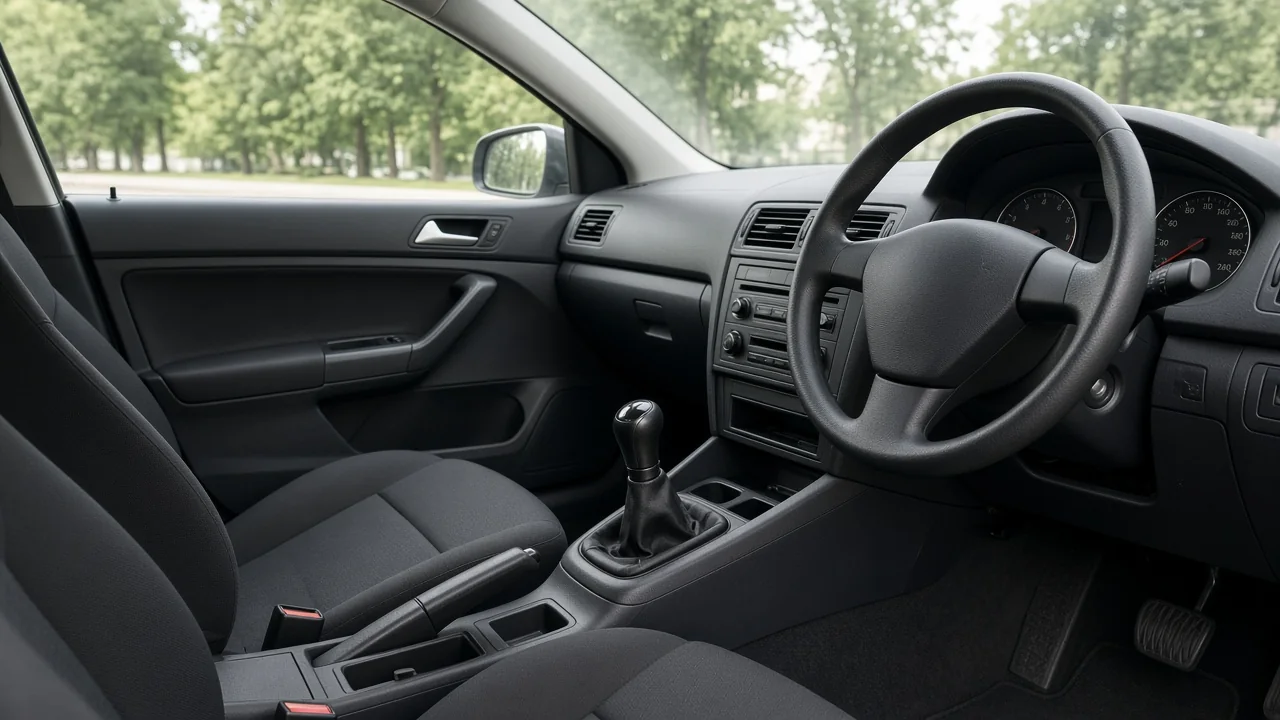
Learning how to downshift a manual transmission smoothly means matching engine speed to a lower gear so clutch engagement does not jerk the driveline. The same skill answers how to downshift manual transmission cars for a merge, a descent, or slowing traffic. This is not a first-lesson shifter tutorial. It covers gear selection, rev matching, and when engine braking should support the service brakes.
Choose a Lower Gear for the Speed and Situation
A downshift is a move to a numerically lower gear while the car is still rolling. At the same road speed, that lower ratio asks the engine to turn faster, so engine speed must rise before the clutch fully connects the two. That is why a rushed engagement can lurch: the wheels and the crankshaft are not yet at a matching pace. The lever motion itself is the same one you already use for ordinary shifts; the extra demand is getting rpm, road speed, and gear selection to agree.
Useful moments include preparing to accelerate after a gap appears, matching a slowing traffic flow so you can pull away without hunting for a gear, and managing a descent where a lower gear can add engine braking. Choose the ratio that fits current road speed and the vehicle's operating limits, not a universal speed-to-gear chart copied from another car. A gear that is too low for the speed can push the engine toward an over-rev. A gear that is too high leaves little response when you need it.
Coordinate the Clutch, Gear Lever, and Throttle
After any needed slowing, release the accelerator, fully depress the clutch, and move the lever into an appropriate lower gear without forcing it. If the gate resists, the synchromesh is still catching up or the chosen ratio does not suit the speed; wait a moment rather than muscling the stick. With the clutch still down, a brief, measured throttle input—often called a throttle blip—raises engine speed toward what the new gear will require at that road speed. The blip is a tap, not a wide-open surge.
Then release the clutch progressively through the engagement zone so the driveline takes up load without a snap. Once the clutch is fully out, apply throttle as conditions require, whether that is holding speed, adding engine braking, or preparing to accelerate. Coordination of clutch engagement, gear lever, and throttle is a timing skill, not a strength contest. Practice only where it is legal, with clear space and light traffic demands. If the sequence still feels uncertain, qualified instruction is safer than repeating mistakes at speed.
Use Rev Matching to Reduce the Engagement Jolt
Rev matching is the step that brings engine speed near the rpm the lower gear will demand before clutch engagement. When those speeds are close, the plates meet with little shock, which is the difference between a smooth downshift and a jolt that rocks the car. You do not need to stare at the tachometer for every change. Engine sound rises as revs climb, and the clutch tells you through the pedal whether the match was close: a clean take-up versus a sudden tug.
The size of the throttle blip is not a fixed rpm jump. A drop of one gear at modest speed needs less extra engine speed than skipping down more ratios or matching a higher road speed. Listen, feel, and adjust rather than chasing a single number. Some vehicles offer automatic rev matching that blips the throttle for you during a downshift. Check the owner's manual for how that aid works, when it is active, and what it will not do, because the feature and its limits vary by design.
Coordinate Downshifting With Braking and Road Conditions
The service brakes remain the primary way to slow or stop. Gear selection supports that work by leaving a ratio ready if you need to continue driving, not by replacing the brake pedal. During a routine stop there is no need to downshift through every gear. Slow with the brakes, and depress the clutch before the engine labors or stalls. Cascading through every ratio only adds clutch work when a simple stop is all that is required.
Before a descent, choose a suitable lower gear while the car is still at a speed that gear can accept, then follow the vehicle's own guidance for engine braking and brake use. When practical, finish routine slowing and gear selection before you enter a turn so your hands and feet are not busy at the apex. On slippery surfaces, keep inputs gentle; a mismatched clutch engagement can break traction. In an emergency, concentrate on maintaining control and stopping. This is not the place for performance-driving techniques.
Recognize Poor Engagement and Know When to Stop
A single jolt after a downshift often means engine speed did not match the lower gear, or the clutch was dumped through engagement. That feel is a cue to slow the sequence, not a diagnosis of a failed part. Persistent shudder or harshness cannot be read from the seat alone. Rev matching will not make an excessively low gear safe. If road speed is too high for the ratio, a limiter that cuts fuel may not stop a mechanically driven over-rev once the clutch locks.
Do not force a resistant shift, and do not hold the clutch partly engaged to hide a mismatch; that riding wears the friction surfaces and can create a burning smell. Recurring grinding, persistent shudder, slipping under load, or a burnt odor are reasons to stop practicing and arrange a professional assessment. If the car's behavior affects control, reduce speed and stop in a safe place rather than continuing the exercise. Smooth downshifts come from matching rpm and gear to the road, not from covering a problem with the pedal.