How to Document Changes Made to a Restored Car
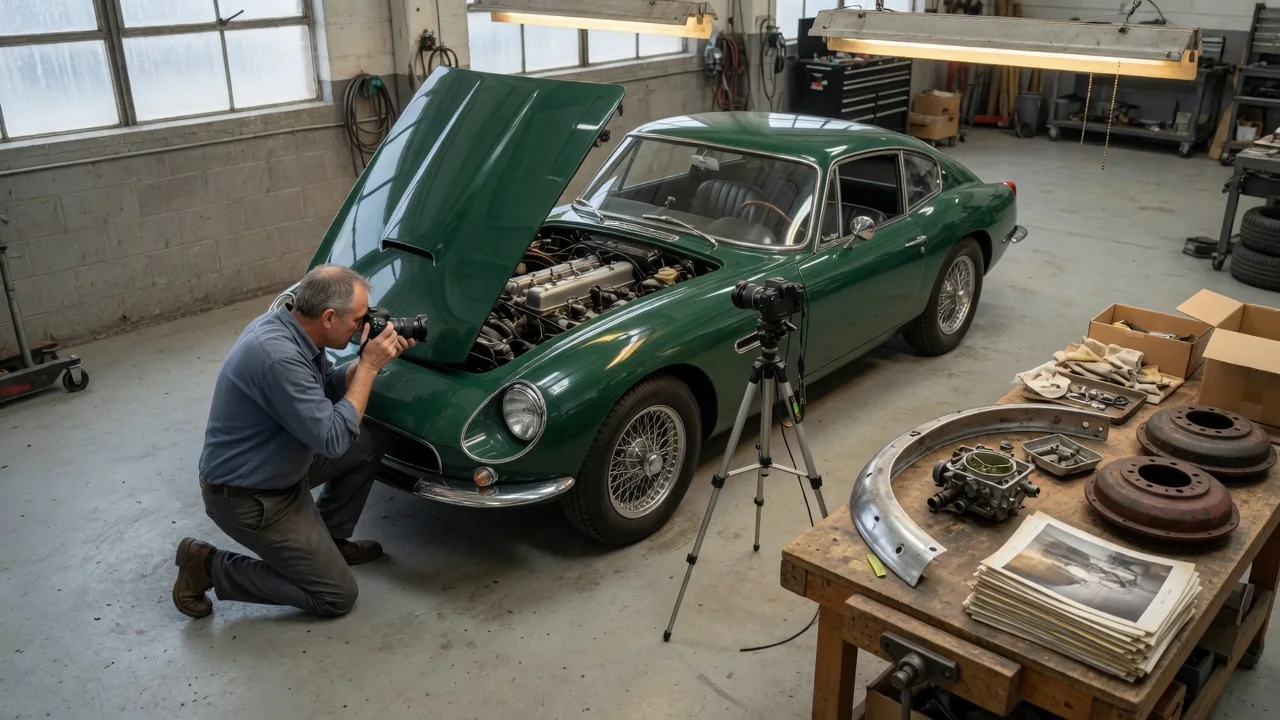
A restored car rarely leaves the shop exactly as it left the factory. Replacement parts, upgraded components, rewired circuits and small fixes made along the way all change how the car should be inspected, serviced and valued. Documenting those changes turns scattered knowledge into a lasting record. The next owner, a mechanic or you can then see what was done, when it was done, and why.
Parts and dates
The foundation of any car restoration modification log is a dated, consistent entry for every change. Each entry should record the date the work was completed, the odometer reading, the system affected, what was removed, what was installed and the reason for the change. Identify parts as precisely as possible: the brand, the part number, and whether the component is original, new old stock, a reproduction, a rebuilt unit or an aftermarket substitute. Note who did the work, whether that was you, a friend or a shop, and attach the matching receipt or invoice. A vague entry such as 'replaced brakes' quickly loses its value. An entry that says the front calipers were replaced with rebuilt units, with part numbers recorded and pads and hoses replaced at the same time, can still be understood years later.
Photographs strengthen the written record. Take pictures before disassembly, during the work and after installation, and file them under the same date as the log entry. When you remove original parts and keep them, tag each one with a short description and the date so it can be matched to the record later. Many major components carry casting numbers, stamped codes or date codes. If you remove or replace such a part, write those markings down exactly as they appear rather than interpreting them. Whether particular codes matter for authenticity depends on the specific vehicle, so the safest approach is to capture the information and leave its significance to model-specific references.
Organization matters as much as content. A chronological log shows the order in which work was done. A separate component index, sorted by system such as engine, brakes, suspension or body, lets someone find every change to one area without reading the whole history. A spreadsheet or document with regular backups works well. A printed binder kept with the car's paperwork provides a copy that does not depend on any device.
Wiring changes
Electrical modifications need more detail than most other changes because they are hidden behind panels, wrapped in loom and easy to misread later. Once a circuit has been altered, the factory wiring diagram no longer describes the car accurately, and anyone troubleshooting from it may chase a problem in the wrong place. For each wiring change, record which circuit was modified, the wire color and gauge used, the route the new wire takes, the type of connectors or splices, and where the circuit gets power and ground. Note any fuse, fusible link, relay or circuit breaker you added, including its rating and where it is mounted.
The most useful wiring record is a marked-up copy of the original diagram. Keep the clean factory diagram intact and work on a copy, drawing in added circuits, crossing out removed ones and labeling new components. If a change is too large to annotate clearly, draw a separate addendum page for that circuit and reference it from the main log. Labeling wires at both ends with heat-shrink markers or tags makes the drawing easier to match to the car. Photograph harness routing and connections before reinstalling trim or interior panels, because those areas become hard to see once the car is reassembled.
Changes that call for this level of detail include an electric fuel pump or cooling fan, an upgraded charging system, auxiliary lighting, aftermarket gauges, audio equipment, a replacement harness and a conversion of an original system. Record electrical loads or specifications only when they come from the component's documentation or an actual measurement. An estimated figure written into the log can mislead the next person who relies on it.
Future service
Documentation pays off when the car needs maintenance. A restored car may no longer match the service information in its original manual, so the log should tell a mechanic what is different before work begins. List replacement filters, belts, bulbs, ignition parts and other consumables by part number, because substitutes fitted during restoration may not cross-reference to the original numbers. Record the fluids actually used, copying the type and specification from the container. Also note any torque values, clearances or adjustment settings taken from the installation instructions of non-original components.
Keep the installation instructions, warranty cards and any break-in or follow-up recommendations supplied with new or rebuilt parts. Some components call for specific early checks, such as retightening fasteners or making an adjustment after an initial period of use. Add those steps to the log as scheduled tasks, with the date or mileage when each is due. Record later routine service in the same log rather than starting a separate file. That way the restoration history and the maintenance history read as one continuous account of the car.
It also helps to note which sections of the factory manual still apply and which no longer do. A short cross-reference saves time and keeps a mechanic from following procedures written for parts that are no longer installed. For example, the log might note that the cooling system now follows the instructions for an aftermarket radiator and fan.
Practical implications and limits
In everyday use, a thorough record speeds up diagnosis, reduces guesswork about parts and gives an appraiser, buyer or insurer a clear account of what the car contains. Some insurers, inspection programs and registration authorities ask owners to declare certain modifications. The rules differ by jurisdiction and policy, and a well-kept log makes those questions easier to answer accurately. It can also show the care taken during the restoration, which buyers of older vehicles often want to see.
A log has limits. It describes what was recorded, not necessarily everything that happened, and it cannot by itself prove that a car is original or authentic. Work done by previous owners may be unknown. Mark those gaps as unknown rather than filling them with assumptions. Entries are only as reliable as the care taken when writing them, so update the record promptly while the details are fresh instead of reconstructing them from memory months later.
Finally, keep the level of detail in proportion. Every change that affects safety, function, wiring, identification or future parts selection belongs in the record. Purely cosmetic work, such as routine cleaning, does not need its own entry. Store a backup copy away from the car so the history survives if the binder or the vehicle is lost or damaged, or if the car is sold without its paperwork.