How to Choose the Best Home EV Charging Station
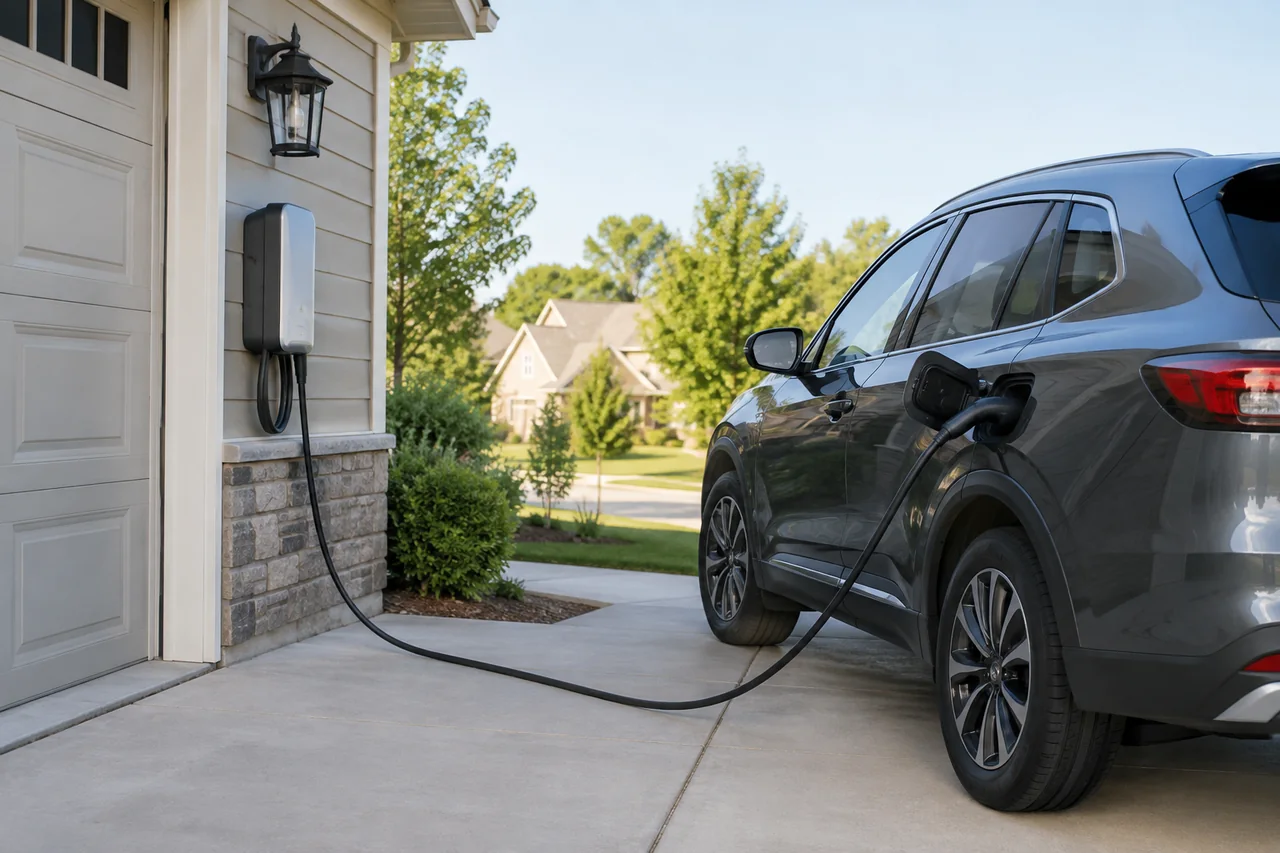
Rankings of the best electric car charging stations rarely account for your particular home. The right unit fits your vehicle, your electrical service, and your daily routine rather than simply offering the longest feature list. This guide explains how to buy an electric car charging station by comparing power output, connector fit, cable arrangement, smart features, weatherproofing, and trustworthy places to purchase.
Define What Your Home Charging Station Needs to Do
No single home charger is best for every electric car driver. Start with the miles you usually drive each day, how many hours the car is usually parked overnight, and whether you park in a garage, a carport, or an open driveway. A commuter who makes short trips and parks for long stretches overnight needs far less charging power than a household with long commutes or two electric vehicles sharing one space. Your vehicle's own charging capabilities complete the picture of the best electric car charging station for you.
Home AC charging equipment, formally called EV supply equipment, supplies electricity safely to the car, and the vehicle's onboard AC charger converts it to charge the battery. Equipment rated above the car's onboard limit therefore cannot push energy in any faster. If a standard household outlet already replaces what you drive each day, a dedicated Level 2 installation may be optional. If it falls short, write down your vehicle model, parking access, the need for an electrical assessment, and the convenience features you want before you start shopping.
Match Charging Power to the Vehicle and Home Electrical Supply
Charging power is roughly voltage multiplied by current. Level 2 charging uses a higher-voltage circuit than a standard outlet, and the equipment's amperage rating sets how much current it can deliver. The power you actually get is capped by the lowest limit in the chain: the vehicle's AC charging limit, the setting configured on the equipment, and the capacity of the circuit feeding it. A high-amperage unit connected to a car with a modest onboard charger will charge only at the car's rate.
Before buying any electric car charging station, have a qualified electrician assess your service capacity, circuit requirements, mounting location, and applicable local codes. Adjustable amperage lets the installer match the charger's output to the circuit. Supported load management can reduce charging when other household demand rises. Neither one replaces that professional assessment. Treat advertised charging times as estimates, because battery state of charge, temperature, the vehicle's charging limits, and the equipment settings all affect how quickly a session actually finishes.
Check Connector Fit, Cable Reach, and Cable Arrangement
Confirm which charging inlet your vehicle has, then check the equipment manufacturer's documentation for the charging connector it supports, including any adapter that the charger maker or automaker explicitly approves. Tethered equipment has a permanently attached cable, and this is the common arrangement in the US. Untethered units have a socket and need a separate compatible cable, and US availability varies. A tethered cable is usually simpler for everyday use, while an untethered design suits owners who want to switch between cable lengths.
Measure the actual cable route from the planned mounting spot to the charge port with the car parked where it normally sits. Allow enough slack that the cable is never stretched or forced across a walkway. Note whether the port is on the front, rear, or side, and whether a second vehicle might park facing a different way. Plan for a holster and a cable hook that keep the connector off the floor. Extension cords and improvised adapters have no place in a home charging setup.
Choose Smart Features You Will Actually Use
Scheduled charging starts sessions at set times, so it can take advantage of lower utility rate windows if your household's plan offers time-of-use pricing. Many units also offer energy-use reporting, access controls that block unauthorized use, session notifications, and eligibility for utility demand-response or rebate programs. Confirm each of these in the product documentation rather than assuming it is included. Features differ widely between models, and some utility programs accept only specific approved equipment.
Check whether the smart functions need Wi-Fi or cellular connectivity, whether the app requires a subscription, how long the manufacturer supports software updates, and whether the unit still charges when the internet goes down. Avoid setting conflicting schedules in both the car and the charging station, because overlapping timers can leave the car waiting and still uncharged in the morning. If two vehicles will share capacity, the manufacturer must document load sharing, and your electrician should plan it as part of the installation.
Confirm Outdoor Suitability and Safe Placement
For garages, carports, and driveways, look for an outdoor enclosure rating and a stated operating temperature range that suit the planned location. Weather resistance covers rain, dust, and temperature swings. It does not mean the unit can survive flooding, submersion, or being hit by a vehicle. Confirm that the exact model you are buying carries electrical safety certification from a recognized testing laboratory. A similar model in the same product family or a generic compliance claim is not enough.
Mount the equipment where water will not pool beneath the connector and where the cable will not become a trip hazard or get run over by tires, lawn equipment, or a garage door. In tight spaces, bollards or a recessed wall location can reduce the risk of impact. If you notice damaged cable insulation, scorch marks, melted plastic, or unusual heat at the connector, stop using the equipment. Arrange a qualified assessment rather than opening or repairing it yourself.
Know Where to Buy and What to Verify Before Ordering
Buying charging equipment from manufacturer websites, authorized retailers, or supply channels used by qualified installers reduces the risk of counterfeit or gray-market units. Confirm that the seller is authorized, because warranty coverage may depend on it. Check how long the warranty lasts and what it covers, review the return terms for both unopened and installed equipment, and make sure customer support is easy to reach. Your electrician may also recommend models they already know how to configure.
Before you order, confirm the exact model number, connector type, cable length, power settings, mounting requirements, safety certification, and outdoor suitability. Budget for more than the equipment itself: professional installation, permits where required, and any electrical work the assessment identifies, such as a new circuit or panel changes. Confirm that installation is feasible and check your eligibility for utility incentives before you buy. Some rebates require preapproval or specific equipment, and buying too early can mean losing money you could have claimed.