How to Choose Chassis Ears for Wheel Bearing Noise Diagnosis
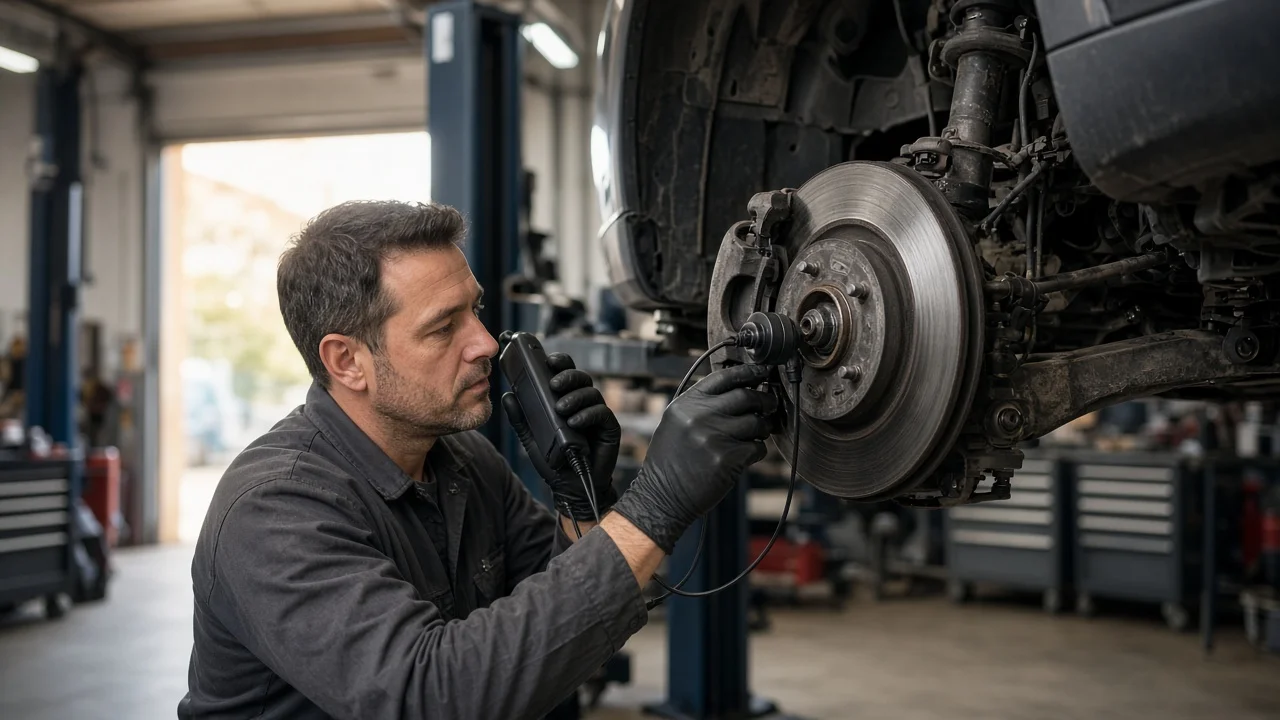
A growl that rises with road speed often points to a wheel bearing, but that noise travels through the knuckle, axle and body, so guessing the corner wastes parts and time. Chassis ears, an electronic stethoscope with clamp-on sensors, let you listen to several components while the vehicle moves and compare them channel by channel. This guide explains how to choose a set, wired or wireless, for bearing diagnosis without paying for features you will never use.
Define the job the product must do
For bearing work, the tool has one main task: telling you which corner is loudest under real driving load. That usually means one sensor at each wheel position on the suspect axle, plus spare channels you can place on a CV joint, brake caliper bracket or differential to rule them out. Think about who will use it and how often. An owner chasing one noise on a family car has different needs than a shop that road tests several vehicles a day. Also consider your practical constraints: whether you have a helper to listen while someone else drives, where you can safely test at the speed the noise appears, and how large the vehicle is.
Plan safe vehicle support before buying anything. Attach clamps with the vehicle on a lift or on jack stands at the manufacturer's lifting points, never under a vehicle held only by a jack. The driver should concentrate on driving while a passenger listens. Leads and transmitters must be secured away from rotating parts, brake components and exhaust heat. Running the wheels with the vehicle raised is not the same as a road test: with the suspension hanging, ride height and bearing load change, so a noise heard on the road may sound different or disappear on the lift.
Check compatibility
Start with the mounting points on your vehicle. The clamp jaws must open wide enough and grip firmly on the knuckle edge, a control arm flange, the strut body or a caliper bracket, close to the bearing but clear of the rotor, wheel speed sensor wiring and brake hoses. Thick castings on trucks and larger SUVs can exceed the opening of small clamps, while tight wheel wells on compact cars leave little room for bulky sensors. For wired kits, compare the stated lead length with the distance from the rear corners to the cabin on your longest vehicle, and check whether extensions are available from the same maker.
For wireless chassis ears, look at how each transmitter attaches (clip, magnet or strap), the receiver's stated range, the battery type and whether the receiver works with standard headphones. Check any regulatory marking for use in your country. Assume clamps, transmitters and receivers are not interchangeable between brands unless the manufacturer says otherwise, and confirm that replacement clamps and sensors are actually sold separately, since a lost transmitter can otherwise strand the whole kit.
Features that affect the choice
The main trade-off is wired versus wireless. Wired sets need no transmitter batteries and avoid radio dropouts, and they are often less expensive, but the leads must be routed into the cabin through a door or window and can snag if not secured. Wireless sets clip on faster and leave a cleaner cabin, at the cost of battery management and possible interference. A Bluetooth label in a search listing does not tell you how a kit actually transmits, so read the stated link type and range rather than relying on the search term.
Features that matter in practice are quick channel switching, so you can flip between left and right on the same axle, and adjustable volume or gain. Some receivers offer an output for recording, which helps when comparing before and after a repair. Treat labels such as professional grade or ultra sensitive as marketing unless backed by a stated specification. Useful evidence includes the listed channel count, battery type and stated run time, warranty terms, a downloadable manual and parts availability.
Searches for Steelman, Snap-on, Matco, Blue-Point, OTC and Sealey chassis ears show that tool truck, professional and general retail brands all compete here. Tool truck brands may come with dealer support for warranty and parts, while retail brands may be easier to buy outright. When reading a chassis ears review, give more weight to specific comments about signal dropouts, clamp breakage and battery life than to overall star ratings.
Limitations and ownership costs
Chassis ears show where a noise is loudest, not what has failed. Sound carries through the knuckle and hub, so a worn CV joint, a dragging brake, or a tire with cupped or uneven wear, often linked to worn parts or incorrect wheel alignment, can sound like a bearing on a nearby channel. Confirm the finding by inspecting tire wear and checking joint play with the vehicle properly supported, following the model-specific service procedure. Acceptable play limits come from the service information, not from the listening tool, and no stethoscope can tell you how far a noisy bearing can safely be driven. A confirmed bad bearing should be repaired promptly.
Ownership costs include batteries or charging for wireless transmitters, clamp springs that weaken, leads damaged by heat or road debris, and sensors broken by impacts. A sturdy case protects the kit between jobs. The tool also provides none of the repair data: bearing replacement requires the manufacturer's procedure and fastener specification, some axle nuts are single-use, and alignment after the job depends on which suspension parts were disturbed and what the manufacturer specifies.
Build a practical shortlist
Compare candidates side by side using only stated specifications. Check that the channel count covers the suspect axle plus at least one reference point, that the clamps fit your vehicle's mounting points, that lead length or wireless range suits your largest vehicle, and that the power source is easy to maintain. Then confirm headphone compatibility, availability of replacement clamps and sensors, warranty length, an accessible manual and a protective case.
Match the shortlist to your use. An owner diagnosing an occasional noise may find a basic wired kit sufficient, provided the leads are long enough and can be secured safely. A shop running frequent road tests may justify the higher cost of the best wireless chassis ears it can support, because faster setup and cleaner routing save time on every job. Whichever set you choose, its value depends on careful clamp placement, safe testing and confirmation through the vehicle's service procedure.