How to Choose an Indoor Spot for Long-Term Car Storage
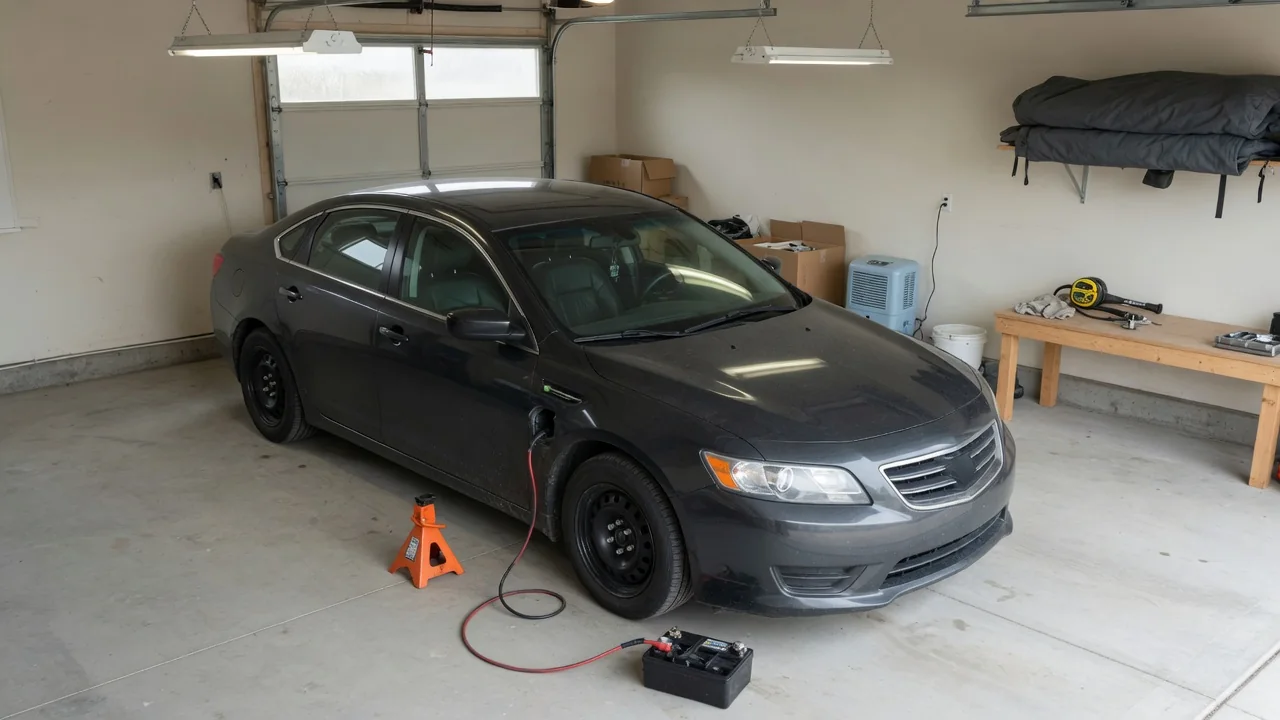
Choosing an indoor spot for long-term car storage comes down to three questions. Will the space stay dry? Can you reach and move the car when you need to? Does air circulate well enough to carry away moisture and fumes? A good indoor car storage space protects paint, metal, rubber, and electronics during months of inactivity. A poor one can quietly encourage corrosion, mold, and pest damage. Here is how to evaluate a candidate location before you commit to it.
Dryness: Keep Moisture Away From the Car
Moisture is the main enemy of a stored car, so dryness is the first thing to check. Water can enter a garage, barn, or shed from several directions. It can come through a leaking roof or a worn door seal. It can come from surface runoff that pools at the entrance. It can also rise through a concrete slab that sits on damp ground, because concrete is porous and an unsealed slab can release moisture into the air above it for long periods. Several signs suggest that moisture is present at least some of the time: dark stains on the floor or walls, white mineral deposits on concrete or masonry, rust on stored tools, peeling paint, and a musty smell.
Condensation is a less obvious risk. In unheated buildings, temperatures can swing quickly between day and night or when the weather changes. When warm, humid air meets a colder surface, water can condense on it. That surface might be bare sheet metal, glass, or the body of a car that has cooled overnight. Repeated wet-dry cycles encourage surface rust on exposed metal and brake components. They can also leave the cabin damp, which raises the risk of mold on carpets and upholstery. A space with stable temperatures, or one where you can run a dehumidifier, generally handles this better than a thin-walled structure exposed to sun and wind.
Pay attention to where inside the building the car would sit. Some spots are poor choices even in an otherwise dry building: low areas that collect water, areas next to a water heater, washing machine, or utility sink, and bays beneath a section of roof with a history of leaks. A vapor-barrier mat under the car and a breathable car cover can help in a borderline space. They reduce exposure but do not fix an underlying water problem.
Access: Getting the Car In, Out, and Serviced
A storage spot is only useful if the car can get in and out without damage. Measure the door opening and the interior against the car's length, its height, and its width including mirrors, and leave room to maneuver. Check the approach as well. A steep ramp, a sharp turn, or a soft gravel or dirt path can make entry awkward and may scrape low bodywork or front spoilers. After months in storage, the car may not start right away. If the battery is drained or another problem develops, the car may need to be pushed, jump-started, or towed. Make sure each of those is physically possible in the spot you choose.
Long-term storage is rarely set-and-forget. You will likely want to check tire pressures, look for leaks or signs of pests, and keep the battery charged. That calls for enough clearance on each side to open the doors fully, lift the hood, and open the trunk, plus decent lighting. If you plan to use a battery maintainer, a nearby grounded outlet avoids long extension cords running across the floor. Avoid spots where furniture, bicycles, or seasonal items will box the car in. If moving it takes an afternoon of unpacking, routine checks tend to get skipped.
Security and control over who can enter matter too. A space that locks, that only you or people you trust can enter, and that keeps the car out of view from the street reduces the risk of theft or tampering. If you rent a unit or share a building, find out ahead of time when you are allowed in, whether chargers are permitted, and what notice you must give before moving the vehicle.
Ventilation: Moving Air Without Adding Risk
Ventilation removes moisture, odors, and fumes that would otherwise build up around a parked car. In a completely sealed space, humidity from the floor, the car itself, or stored items has nowhere to go, which can encourage mold and corrosion. Gasoline vapors and fumes from paint, solvents, or cleaning products can also linger. Some airflow keeps conditions more even and makes damp corners less likely. It can come from vents, from gaps around doors, or from a small fan.
Fuel vapors are the main reason to think about what shares the space with the car. Avoid parking next to appliances with pilot lights or open flames, such as some furnaces and water heaters. Corrosive chemicals deserve similar caution. Pool chemicals, fertilizers, and some cleaning products can give off fumes that attack metal and rubber, so store them elsewhere or in sealed containers. Never run the engine inside a closed building, even briefly. Exhaust contains carbon monoxide, which is colorless, odorless, and dangerous at levels that are hard to notice.
More airflow is not always better. Pulling in outside air on humid days can add moisture instead of removing it. For that reason, in damp climates a closed space with a dehumidifier sometimes performs better than one with open vents. Every opening is also a possible entry point for rodents, insects, and dust. Screens over vents and good door seals help keep pests out while still letting the building breathe.
Practical Implications and Limits
Few locations score well on every point, so it helps to rank the trade-offs. A space that stays reliably dry is usually worth more than one that is merely convenient. Moisture damage builds slowly and can be expensive to correct, while awkward access is mostly an inconvenience. One owner may be better served by a home garage they can check weekly. Another may find that a distant, climate-controlled facility's stable conditions justify the trip. Your climate, how long the car will be stored, and how often you can visit should guide the choice.
Monitoring removes guesswork. An inexpensive hygrometer placed near the car shows how humidity actually behaves over days and weeks, including after storms or cold snaps. Check more often during the first part of storage. That lets you catch leaks, condensation, or pest activity before they cause lasting damage, and adjust with a dehumidifier, better sealing, or a different spot.
A good location reduces risk, but it does not replace preparing the vehicle itself. Fuel, battery, tires, fluids, and cleaning still need attention, and the right approach can differ by vehicle type and powertrain. Hybrid and electric vehicles, for example, may come with specific instructions for the high-voltage battery's state of charge during storage. Your owner's manual is the authority on what your particular car needs. Choose a storage spot that supports those requirements rather than one that forces you to work around them.