How to Choose a Replacement Oxygen Sensor Brand
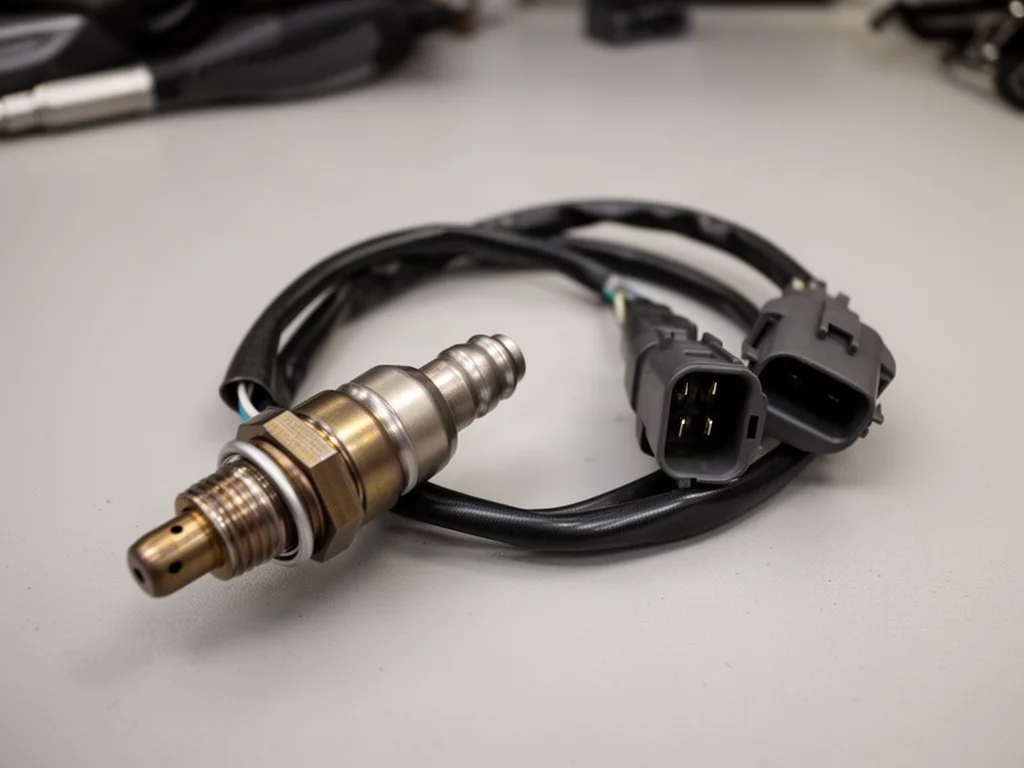
Replacing an oxygen sensor looks simple until you face a wall of brand names, labels, and connector styles. A sensor from Bosch, Denso, ACDelco, or a lesser-known supplier can only do its job if it matches the engine's sensing strategy, mounting position, and wiring. Choosing well starts with the vehicle, not the logo, and ends with product documentation you can actually verify.
Confirm Which Sensor the Vehicle Needs
The engine control module relies on sensor signals calibrated for a specific engine and emissions package, so selection begins with the model year, make, model, and engine. Some vehicles were built in different emissions configurations for different markets, and those versions may use different sensors even when the badges match. The emissions label under the hood and the vehicle identification number help narrow the application. Knowing the exact engine avoids ordering a part intended for a sibling model that shares a name but not the same exhaust layout.
Position matters as much as the vehicle. On engines with two cylinder banks, bank one and bank two sensors can differ in cable length or connector, and upstream sensors ahead of the catalytic converter often differ from downstream sensors that monitor converter efficiency. Some upstream positions use wideband air-fuel ratio sensors, which work differently from conventional switching oxygen sensors and cannot be swapped for them. A stored code points toward a circuit or condition, not necessarily a failed sensor; exhaust leaks, wiring faults, vacuum leaks, or fueling problems can produce similar readings and may need professional diagnosis.
Understand OEM and Aftermarket Product Labels
Three labels appear most often. Genuine parts are sold through the vehicle maker's own parts channel, usually in its packaging. Original-equipment suppliers are companies that manufacture components for automakers and also sell under their own names. Aftermarket describes replacement parts built by any maker, which may or may not have supplied the factory. None of these terms tells you which product suits your car; they describe where a part came from and how it is sold rather than how it will perform in your specific application.
A company that builds factory sensors for some automakers usually also sells broad replacement lines, and not every sensor in that catalog is the original specification for a given vehicle. What protects the buyer is documentation: a clearly stated application list, a seller who can trace where the product came from, written warranty terms, and access to technical support if something does not match. The same logic applies to budget purchases. A low price is not proof of poor quality, and a high price is not proof of good quality, but an undocumented part leaves you guessing.
Check Bosch and Denso Application Coverage
Bosch and Denso both publish replacement sensor ranges with application coverage, and that coverage is the place to start. Look up the exact vehicle and engine, then confirm the listing names the correct bank and upstream or downstream position. Check whether the product is a conventional oxygen sensor or an air-fuel ratio sensor, whether its heater matches the vehicle's heater circuit requirements, and whether the connector and harness length match what is installed. A listing that covers the vehicle but not the specific position is incomplete for your purposes.
A familiar name on the box does not settle compatibility. Well-known suppliers produce many sensor designs, and a product that works well on one engine may be wrong for another from the same automaker. Service life also depends on factors outside the sensor, such as oil consumption, coolant contamination, fuel quality, and exhaust leaks that draw in outside air. Treat brand reputation as a reason to examine a product's documentation closely, not as a substitute for it. The right choice is whichever documented product matches your application completely.
Verify ACDelco Fitment for the Intended GM Application
ACDelco is closely associated with General Motors, which leads many owners to assume any ACDelco sensor will fit their GM car or truck. GM has used many engines, exhaust layouts, and sensor types across its brands and years, so the exact vehicle, engine, and sensor location still need confirmation. A description claiming broad GM coverage is not the same as a listing that names your model, engine, and position. Different ACDelco product lines may also be positioned differently, so check the stated specification rather than assuming identical original-equipment status.
Some cases are hard to resolve from a lookup tool alone. Vehicles with mid-year production changes, engines offered in multiple emissions versions, trucks whose configurations vary by weight class, or a missing emissions label can all leave more than one plausible answer. When a catalog asks questions you cannot answer confidently, a qualified parts professional can use the VIN and supplier references to identify the correct sensor. That short conversation is often cheaper than returning an incorrect part or chasing a new fault caused by a mismatched sensor.
Check the Oxygen Sensor Plug and Harness
The connector is where many wrong parts reveal themselves. Plug shape, the keying tabs that allow only one orientation, the number and arrangement of terminals, and the length of the pigtail harness all need to match the vehicle. A harness that is too short can strain the connector or sit close to hot exhaust, while one that is too long may droop toward moving parts. Even when a plug appears to mate, the terminal assignments and sensor type behind it may differ, so physical fit alone does not prove electrical or sensing compatibility.
With the engine off and the exhaust fully cool, a careful look at accessible wiring can reveal useful clues. Melted or cracked insulation, a broken connector housing, missing retaining clips, corroded terminals, or a harness hanging loose near the exhaust all suggest problems beyond the sensor itself. Damage on the vehicle side of the connector, or in the wiring back toward the engine computer, needs separate assessment, often by a professional. Installing a new sensor onto a damaged harness can leave the original fault in place and may harm the new part.
Understand Universal Sensor Requirements Before Buying
A direct-fit sensor comes with a connector and harness configured for specific applications, so it plugs into the existing vehicle connector. A universal or splice-in sensor typically requires joining the original connector to the new sensor's wires. The universal label describes the connection method, not compatibility with every vehicle. The product still needs explicit approval for your application, the correct sensing technology, matching heater characteristics, and compatible electrical properties. A universal switching sensor cannot stand in for an air-fuel ratio sensor, however the wires are joined.
Connection quality matters in a circuit carrying small signal voltages and heater current near hot exhaust, so use only the method the sensor manufacturer specifies and let a professional judge whether splicing suits the vehicle. Before buying any sensor, confirm the diagnosis points to the sensor rather than wiring or engine problems, identify the exact vehicle and engine, and note the bank and upstream or downstream position. Match the connector and harness, buy from a traceable seller whose documentation lists your application, and read the warranty terms before installation.