How to Choose a FRAM Engine Air Filter for Your Car
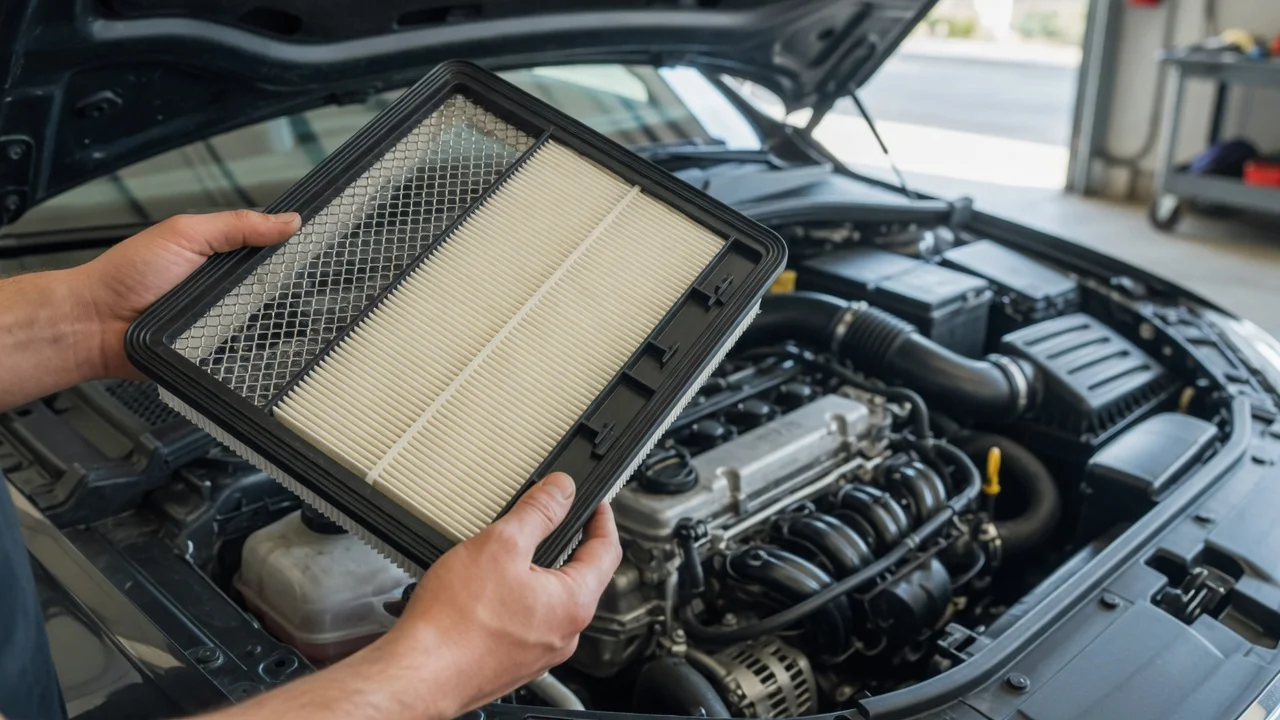
The choice that actually fits your car
A FRAM engine air filter is a branded replacement for the filter in the engine air-intake tract. It sits upstream of the throttle body and, on most modern cars, the mass airflow sensor, and it is meant to trap dust, pollen, insects and road grit before those particles reach the engine. The essential answer is that you choose by exact fitment first, then by the FRAM product line that matches how you drive. The housing shape, gasket, and part number must match your year, make, model, engine and market. Extra Guard, Tough Guard and Ultra-style grades only become a useful choice after that part number is correct.
Engine air filters are not cabin air filters. The engine filter feeds combustion air. The cabin filter, often sold in FRAM Fresh Breeze form, cleans air entering the passenger compartment. Buying the wrong family is a common mix-up because both may be listed under the same vehicle.
Confirm fitment before you compare grades
Vehicle-dependent claims stop at the catalog line for that car. A filter that fits a 2.0-litre version of a model may not fit a 2.5-litre, hybrid, or later-year refresh of the same nameplate. Trim, engine code, and whether the car was sold for a given market can all change the housing. If the year, engine or equipment is unknown, treat fitment as unconfirmed until you check the owner’s manual air-filter specification and a current FRAM application listing for that exact vehicle.
Identify year, make, model, engine size and, if listed, engine code. Note whether the car uses a panel (flat rectangular) element, a round cartridge, or a conical/performance-style housing. Cross-check the existing filter’s part number, printed size and gasket outline against the FRAM candidate. Confirm you are looking at an engine air filter, not a cabin filter, fuel filter or oil filter. If the housing has a MAF sensor just downstream, choose a dry, correctly sealed element made for that housing; a poor seal can let unmetered air in.
The physical checks that matter are seal contact all the way around the housing lid, the same overall length, width and height as the original element, and media that does not sit crushed or cocked when the lid is closed. A filter that is slightly too small can leak dirty air. A filter that is too thick can warp the lid or keep it from latching.
Which FRAM line fits how you drive
FRAM groups many engine air filters into good, better and best style lines rather than a single universal element. Line names and the claims printed on a box can change by market and by year of packaging, so treat the comparison below as a decision frame, then read the specific carton and the current catalog entry for the SKU that fits your car. Published dirt-holding, efficiency and service-interval figures are only comparable when they use the same test method, the same filter size and the same dust. Those figures are not supplied here and should be taken from the maker for the exact part, not assumed across the range.
FRAM line Best fit when Trade-off; Extra Guard Normal commuting, mixed highway and city use, and a straightforward OEM-style replacement Everyday protection at the standard end of the range; inspect on the vehicle’s maintenance schedule and replace when dirty or at the interval on that part’s package; Tough Guard Dusty roads, construction, agriculture, frequent short trips, towing, or other severe-service use that loads a filter faster Aimed at tougher conditions and higher capacity; still a disposable element, and still limited by the housing it must seal in; Ultra (premium FRAM air line) Drivers who want the higher-tier media and airflow packaging FRAM sells for that fitment Usually the costlier choice; any longer-life or airflow claim is SKU-specific and must be read from that product, not borrowed from another size
Choose Extra Guard when the car sees typical paved-road duty and you want a conventional cellulose or blended-media replacement that matches the original housing. Choose Tough Guard when the intake regularly sees fine dust, dirt roads, wildfire ash, or stop-and-go traffic that pulls more debris through the snorkel. Choose the Ultra-tier part for that same fitment when you prefer FRAM’s premium engine-air offering and the catalog lists it for your vehicle. Performance or racing FRAM air products, where offered, are a separate use case: they are for modified intakes or competition duty and are not a default swap for a stock housing.
Reusable oiled-gauze or cotton-style filters are a different technology from the common dry-paper FRAM panel. Do not oil a dry disposable FRAM element. Oil on a dry filter can contaminate a mass airflow sensor. If a FRAM part is sold as a dry, one-use filter, replace it; do not wash and re-oil it.
Decision criteria that should drive the purchase
Fit and seal: the part must match the housing. This criterion outranks brand grade. Driving severity: dust, dirt, pollen load, idling in traffic, and off-pavement use shorten filter life and argue for a higher-capacity line when FRAM lists one for that fitment. Inspection access: if the housing is easy to open, you can inspect and replace on condition. If it is buried, a line marketed for longer service is only useful if the maker states an interval for that SKU and the vehicle maker allows it. Sensor compatibility: cars with a mass airflow sensor need a filter that does not shed oil or fibres onto the wire or film. Cost over a year: a cheaper Extra Guard replaced more often can cost as much as a premium element replaced less often. Without current prices for your part number, compare the two quotes you actually have, not a generic ranking. Warranty and modifications: a stock-replacement FRAM in the correct housing is the conservative choice for a factory airbox. Aftermarket intakes may require the filter style that intake was designed around.
There is no single “best” FRAM engine air filter. The best fit is the correct-size element whose media and service plan match the dirt load and the maintenance habit you will actually follow. A premium filter left in place until it is packed with dust is a worse choice than a standard Extra Guard replaced when the media is dirty.
What a worn filter does, and when to replace it
As the media loads with dirt it becomes more restrictive. Restriction can reduce power under hard acceleration, raise intake vacuum, and in some calibrations affect fuel trim. A torn, wet, or poorly seated filter can let grit through, which is harder on cylinders, rings and the mass airflow sensor than a filter that is merely due for replacement. Replacement timing is vehicle- and condition-specific. Use the maintenance interval in the owner’s manual as the baseline, then inspect earlier in dust, mud, insects or ash. Many makers tell you to inspect at service visits and replace as needed rather than at a fixed mileage for every climate.
A practical completion check after you have chosen a part: the FRAM number is listed for your exact vehicle and engine; the old and new filters share the same outline and gasket path; the media faces the incoming air in the same direction as the original; and the housing lid closes on the seal without forcing. If the lid will not seat, the part is wrong or the old gasket is still in the groove.
Limits and gaps
This guide does not assign a part number, a filtration-efficiency percentage, a dirt-holding gram rating, or a guaranteed mileage to any FRAM SKU. Those values vary by size, media recipe and the test standard on the package, and they should be read from the current FRAM listing and the vehicle manufacturer’s service information. Legal emissions and inspection rules are jurisdiction-specific; a stock-type replacement in the factory airbox is the usual path for an unmodified street car, but local inspection rules are not restated here. If the car has a performance intake, a submerged airbox, or a filter minder (restriction gauge), follow that vehicle’s instructions rather than a generic FRAM grade chart.