How to Choose a Certified Pre-Owned SUV
Start with the intended use
Begin by defining where and how the SUV will be used most often. Consider the usual road conditions, climate, passenger count, cargo load, towing needs and whether the vehicle will be parked outside or in a garage. A shorter urban commute creates different priorities than regular highway driving or trips on unpaved roads. Match the body size and seating arrangement to the people and equipment you normally carry, without assuming that a larger vehicle is automatically better. The goal is to identify the environment and daily workload the vehicle must handle before comparing individual models.
Features that matter
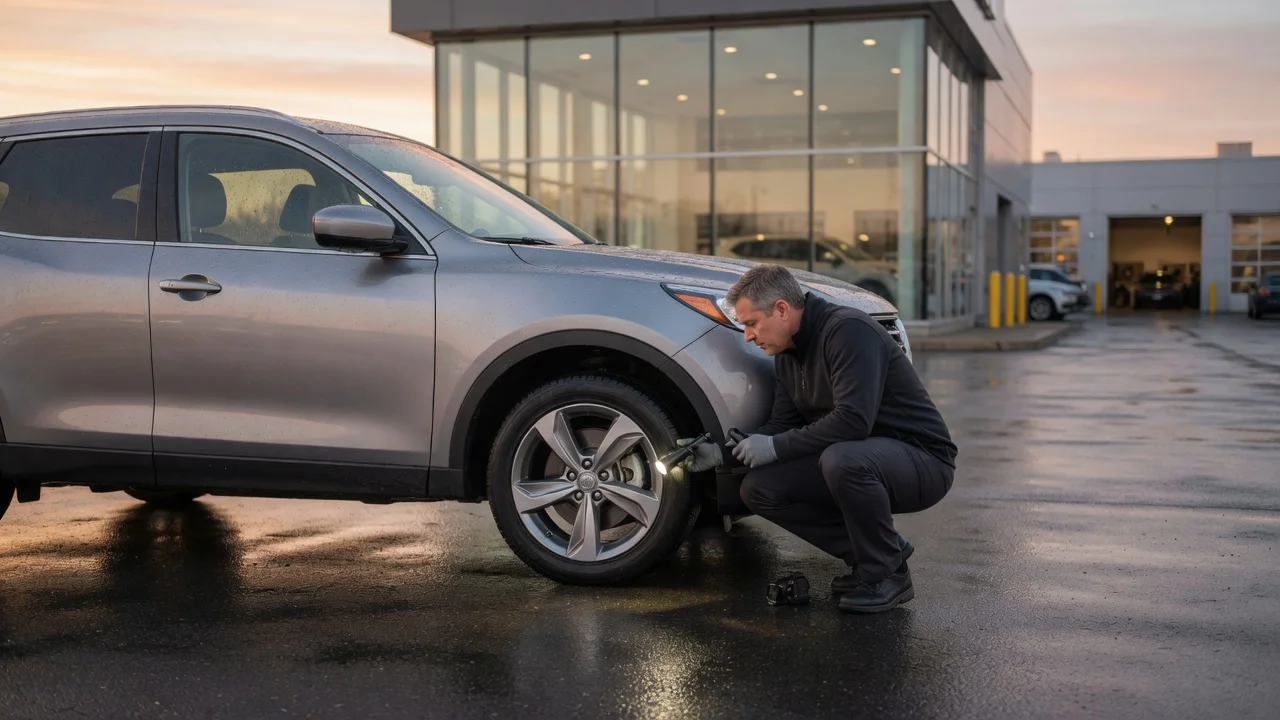
Look first at drivetrain choice, engine output, towing capacity, passenger volume and cargo space. These specifications affect capability in different ways, but a higher number does not always mean a better match. Confirm how a certified pre-owned SUV has been inspected and what warranty coverage is included with the certification program. Pay attention to condition-related items that may not be reflected in a basic specification sheet, such as tire tread depth, brake life and evidence of regular service. A clean vehicle history report can help explain past ownership and accident records, but it is not a substitute for a physical inspection.
Useful checks before you buy
Ask which components the certification inspection covered and request a copy of the checklist. Read the warranty terms, including duration, mileage limits and what is excluded. Check vehicle history for title status, reported damage and service records where available. Look for matching tires, normal brake wear and no visible fluid leaks or accident repair signs. Compare the listed specifications against your payload, towing and seating requirements.
Check compatibility
Make sure the SUV fits your daily operating environment. Check physical dimensions against garage height and width, parking space length and any narrow entrances. Confirm that the available hitch or roof rack, if needed, is compatible with the equipment you already own. Review phone and navigation features only where they affect your normal use, such as hands-free calling or music playback, and verify that the infotainment system supports the connection method you plan to use. Where possible, test access for child seats, mobility equipment or large cargo items instead of relying on listed measurements alone.
Build a shortlist
Turn your needs into a concrete checklist and apply the same questions to each candidate. Include required seating and cargo space, towing limit, drivetrain preference, certification coverage and any fixed size restrictions. Remove vehicles that fail a necessary condition, even if they appear attractive in other areas. For the remaining options, compare condition, service history and warranty value before making a decision. Keeping the shortlist tied to verified requirements makes it easier to identify a certified pre-owned SUV that fits your needs without relying on rankings or unverified performance claims.
Required passenger and cargo capacity for normal use. Minimum towing capacity if a trailer will be used. Drivetrain and ground clearance appropriate for expected road conditions. Physical dimensions that fit your parking and garage constraints. Certification inspection and warranty terms confirmed in writing.
Compare the final candidates on current mechanical condition, maintenance evidence and the coverage provided by the certified program. A practical shortlist focuses on verified facts and leaves room for a personal inspection before purchase.