How to Check That a Repair Solved the Original Symptom
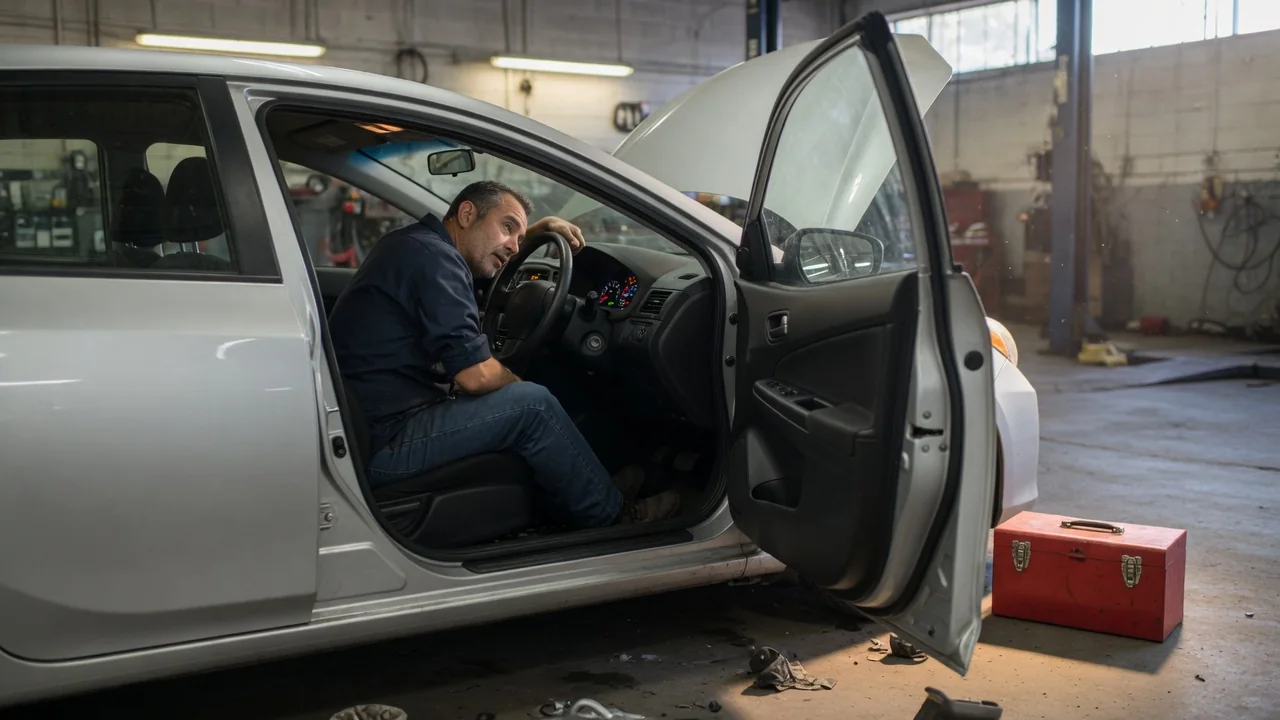
A paid invoice tells you work was performed, not that the problem is gone. Learning how to check that a repair solved the original symptom means comparing the vehicle's behavior after service with what you noticed before, under the same circumstances. A calm, organized verification drive and a few days of attention usually reveal whether the fix held.
Recreate conditions safely
A symptom is only truly tested when the vehicle is placed back in the situation that produced it. If a vibration appeared at highway speed, a slow loop around the block proves nothing. If a squeal happened on the first cold start of the morning, a warm engine in the shop parking lot will stay quiet whether or not the repair worked. Think back to the speed, temperature, load, road surface, and steering or braking input involved, then plan a route that lets you reproduce those elements without rushing.
Safety shapes how far that recreation should go. Brake complaints are best checked first at low speed in an empty lot, with gradual stops before any firm ones. A pull or wander can be judged on a straight, lightly traveled road with both hands near the wheel. Symptoms tied to hard acceleration, towing, or steep grades should be approached in steps, building toward the original condition only as the car behaves normally. If the earlier fault involved stalling or loss of power, avoid heavy traffic until you have confidence in it.
Check warnings
The instrument cluster offers the quickest evidence. Turn the ignition on and watch the bulb check: warning lamps should illuminate briefly and then go out once the engine runs. A light that stays on, flashes, or returns partway through the drive deserves attention even if the car feels fine. Message centers on newer vehicles may also display text alerts, and how those are presented differs between manufacturers, so the owner's manual is the right reference for what each symbol means on your particular model.
A dark dashboard is encouraging but not conclusive. After codes are cleared, many vehicles need a period of varied driving before onboard self-tests finish running, so a fault may take several trips to reappear. A basic scan tool can show whether those monitors have completed and whether any pending codes are stored. Treat anything it finds as a clue rather than a verdict; a code points toward a circuit or system, not a guaranteed failed part, and manufacturer-specific codes need confirmation against information for your exact vehicle.
Document recurrence
If the symptom comes back, details recorded at that moment are far more valuable than a recollection days later. Note the date, odometer reading, outside temperature, how long the engine had been running, your speed, and what you were doing with the throttle, brakes, or steering. A short phone video capturing a noise or a photo of a warning lamp, taken by a passenger or after pulling over safely, gives the technician something concrete. Intermittent faults are notoriously hard to find when the car behaves perfectly at the shop.
Compare the returning behavior with the original complaint honestly. A noise that is quieter, less frequent, or happening under different conditions may indicate a partial fix, a second contributing cause, or an unrelated issue that was masked before. Keep the repair order and any replaced-part descriptions with your notes, since they show what was actually addressed. Presenting that record calmly makes a recheck conversation easier and helps the shop decide whether the concern falls under their workmanship or parts coverage, the terms of which vary by facility.
Everyday Use and Observations
One successful test drive covers a narrow slice of real use. Over the following week or two, pay attention during ordinary routines: cold starts, stop-and-go commuting, highway cruising, parking maneuvers, rain, and a fully loaded cabin if that applies. Many problems depend on heat soak, moisture, or fuel level, and those conditions arrive on their own schedule. Listening with the radio off for part of a drive and noticing how the pedal, steering wheel, and shifter feel will tell you more than any single deliberate check.
Look beyond the original complaint as well. Glance at the ground where the car is parked for fresh drips, check fluid levels if the repair involved cooling, lubrication, or hydraulic systems, and notice any new smells, especially something hot or sweet. Some burn-off odor from handled components or residue can occur briefly after service, but it should fade rather than intensify. Fuel economy, idle smoothness, and temperature gauge behavior returning to their familiar pattern are quiet signs that the vehicle has settled back to normal operation.
Limits and Next Steps
Owner verification has boundaries. You can confirm that a symptom is absent under the conditions you tried, but you cannot see torque values, internal wear, or live sensor data without proper equipment. Some faults also recur only after weeks or under rare combinations of circumstances, so an early clean result is promising rather than final. Avoid dismantling anything to inspect the work yourself, since disturbing a fresh repair can create new problems and complicate any warranty discussion with the shop that performed it.
When the symptom persists or something new appears, contact the shop promptly instead of waiting to see whether it worsens. Describe what you observed, share your notes, and ask whether a technician can ride along so you can point out the behavior directly. Anything affecting braking, steering, overheating, or a flashing warning lamp calls for stopping normal use and arranging inspection before driving further. If repeated visits fail to resolve it, a second opinion from another qualified shop, supported by your documentation, is a reasonable next move.