How to Check a Car’s Mileage and Verify Its History
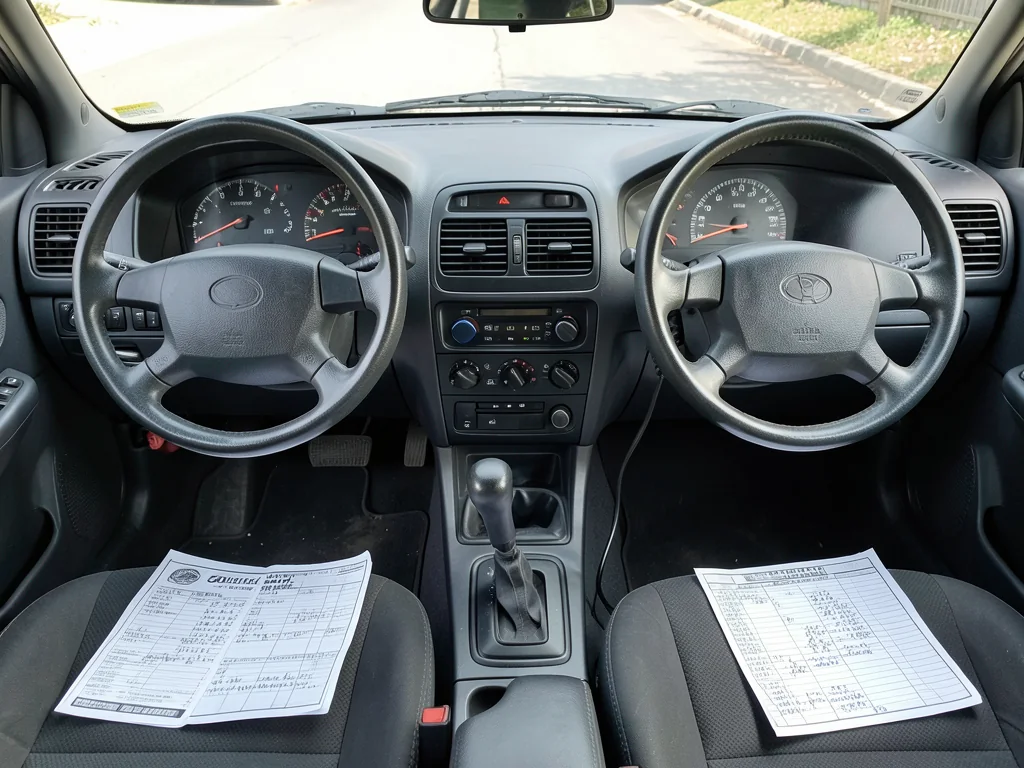
Knowing how to check a car's mileage matters before you buy any used vehicle. The car mileage gauge, or odometer, shows the total distance traveled, but that number only confirms what the dashboard displays. This guide explains how to find mileage on a car, record it properly, and use free records to check whether the reading fits the vehicle's documented history.
Find the Odometer and Identify the Total Mileage
The mileage counter in a car is the odometer, and it records the total distance the vehicle has covered since it was built. On most vehicles it sits in the instrument cluster behind the steering wheel. Older models may use a mechanical number wheel, while newer ones show a digital readout on a screen. Some newer cars show it on only one page of a multifunction display, so if you cannot see it right away, check the owner's manual for the button or menu that brings it up.
Dashboards show several numbers, and buyers often confuse them. Total mileage never resets. The trip meter can be zeroed by the driver and covers only recent driving. Vehicle speed, average fuel economy, and estimated driving range are unrelated figures that change constantly. Check the display while the car is safely parked, with the ignition in the position the manual describes. Note whether the reading is in miles or kilometers, since imported or reprogrammed clusters may use either, and write the units next to the number.
Record the Displayed Mileage Before Reviewing the History
To check mileage in a car accurately, cycle through the display using only the controls described in the manual. Avoid holding buttons that reset trip data, and don't change settings you do not need to, because altering a seller's setup can cause confusion later. Once the total-distance figure appears, write down the full reading, the date, and the vehicle identification number from the dashboard or door jamb. With the seller's permission, photograph the odometer so you have a clear record to compare against paperwork.
If the display is blank, flickering, or unreadable, ask the seller to explain why before going further, and consider having a professional diagnose it. A trip reading or range estimate cannot stand in for total mileage, however convenient that might be. Keep in mind that reading the odometer only tells you what the vehicle currently shows. To confirm that the figure reflects the car's real accumulated mileage, you need supporting evidence from records created over the car's life.
Find Available Mileage Records for Free
A free car mileage check usually starts with the seller. Ask for dated service invoices, oil change stickers, maintenance logs, emissions or safety inspection records, title paperwork, and any vehicle history report they already have. Many of these documents list an odometer reading, which makes each one a useful data point. Some state inspection or vehicle record systems also let you check mileage on a car for free. Access, coverage, and eligibility vary by jurisdiction, though, and some records are available only to owners.
Dealers and independent shops may hold service history, but privacy rules often mean they release it only to the owner or with written authorization, and their records may be incomplete. A free VIN decoder confirms details like model year and engine, not mileage history. A free report preview may contain no usable odometer entries at all. No free search, however thorough, can guarantee a complete mileage history or prove that an odometer rollback never happened.
Build a Dated Mileage Timeline
Once you have gathered records, arrange every entry by date, odometer reading, units, and source. Confirm that each one matches the vehicle identification number of the car in front of you. Readings should rise over time. Some patterns need an explanation: a later entry showing lower mileage, two sources that disagree about the same period, or a long gap with no records. Each could point to a simple error, missing records, or tampering.
Before drawing conclusions, consider innocent explanations. A service writer may have swapped two digits, a record may have logged kilometers instead of miles, or a documented instrument cluster replacement may explain a reset or jump. Ask for paperwork that shows those events. A timeline of steadily increasing readings makes the mileage more believable. It cannot show how far the car traveled during periods with no records, so treat those gaps as unknowns rather than confirmation.
Recognize Warning Signs Without Treating Them as Proof
Physical condition can prompt useful questions. Heavily worn brake and accelerator pedals, a sagging or shiny driver's seat bolster, a polished steering wheel, or faded switch labels may seem out of line with low displayed mileage. However, frequent short trips, rideshare use, rough handling, and replacement parts all change how an interior ages. Low mileage, missing paperwork, or worn surfaces alone do not prove odometer fraud, so treat them as reasons to look harder at the records.
If the seller mentions an odometer repair, cluster replacement, or mileage discrepancy disclosure, ask for documentation. It should show the date, the reading at the time, and who did the work. When explanations change or conflict with the paperwork, avoid guessing the true mileage yourself. Instead, resolve the inconsistency with more records and an independent inspection. That gives you evidence rather than assumptions about how the car has been used.
Resolve Mileage Uncertainty Before Buying
An independent prepurchase inspection makes sense whenever records conflict, the odometer display malfunctions, or the seller cannot explain discrepancies. A qualified technician can assess wear on the engine, suspension, and interior. Where the manufacturer's electronic modules store mileage data, the technician may be able to review those vehicle-specific records. Still, a scan tool does not reveal or authenticate lifetime mileage on every vehicle, so any stored value is one more piece of evidence to interpret.
Review the odometer disclosure and any title notation with the seller. Remember that requirements and exemptions vary and that a signed statement does not prove accuracy. Ask that any unresolved mileage claims and explanations be written into the sale documents before you commit. Pause or walk away if essential records are withheld, if major inconsistencies remain unexplained, or if the seller refuses an independent inspection. You can only judge whether the price is fair if you can trust the number on the gauge.