How to Change or Flush Power Steering Fluid at Home: Baster, Drain and Flush Methods
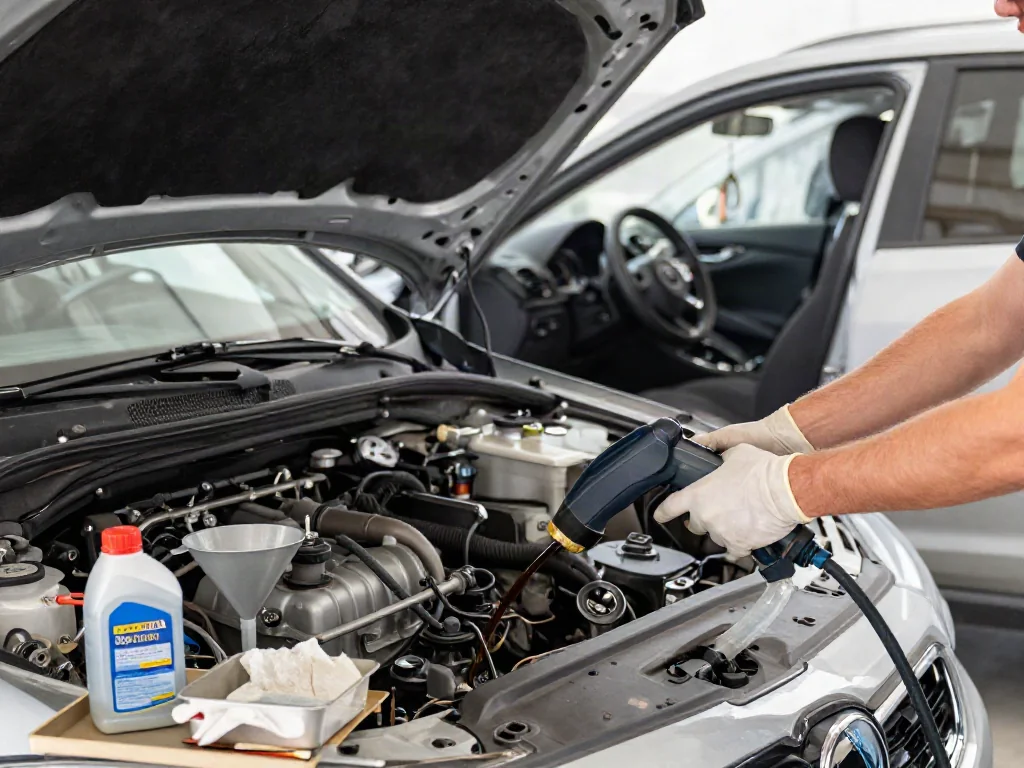
Power steering fluid rarely gets attention until the steering starts to whine or feel heavy. Many hydraulic systems can be refreshed at home, and the method you choose decides how much old fluid actually leaves. A simple reservoir exchange, a partial drain through the return line and a full flush each suit different situations. Some vehicles are better left to a shop.
When Power Steering Fluid Actually Needs Changing or Replacing
Many owners drive for years without touching this fluid. Some manufacturers list no replacement interval, while others recommend periodic service. The owner's manual is the only dependable guide for your vehicle, so check it before assuming anything. Whether you call it a power steering oil change or a fluid replacement, it is the same job. Knowing both phrases helps when you shop for the correct product or read a service menu.
Before buying supplies, confirm what kind of system you have. Electric power steering uses a motor and has no fluid to change. Hydraulic and electro-hydraulic systems have a reservoir, usually with a dipstick or level marks. Tired fluid may look dark or opaque, smell burnt, or show grit or foam. Dark fluid alone does not prove the pump or rack is failing, and whining or leaks that continue after a fluid change point to a problem fresh fluid cannot fix.
Choosing the Right Fluid, Extractor and Flush Kit
Choose the fluid first. Some systems require a dedicated power steering fluid, others specify a particular automatic transmission fluid, and mixing incompatible types can damage seals. Read the specification in the manual or on the reservoir cap rather than grabbing a generic bottle. To remove fluid, a hand-pump or vacuum extractor with a thin tube reaches the bottom of the reservoir much better than a baster, so it pulls out more fluid on each pass.
A typical change or flush kit includes an extractor, clear tubing, hose adapters and a catch container. A hand vacuum pump and some tubing you already own can do the same job. Add a catch pan, funnel, rags, gloves, eye protection and a clearly marked container for used fluid. Buy noticeably more fresh fluid than the reservoir holds, because a flush uses several reservoir volumes before the fluid coming out runs clean.
Turkey-Baster Exchange: The Simplest Way to Change Power Steering Fluid
The exchange method is the gentlest way to change the fluid. With the engine off and cool, remove the cap and draw out as much fluid as the baster or extractor can reach. Then refill to the correct mark with the specified fluid and put the cap back on. Keep a tool just for this job, because food or brake-fluid residue can contaminate the system. Don't overfill, since the fluid expands as it warms.
Driving normally and turning the wheel lock to lock a few times mixes the new fluid with what remains in the pump, lines and rack. Each exchange replaces only what was in the reservoir, so one pass never gives you a full change. Repeating it over several days gradually dilutes the old fluid, and each draw should look lighter than the last. This method suits routine maintenance, not cleaning out heavily contaminated fluid.
How to Drain Power Steering Fluid From the Reservoir and Lines
Most systems have no drain plug. Draining means emptying the reservoir with an extractor and, for a more complete drain, letting the low-pressure return line empty into a catch container with the engine off. Find the return hose by tracing it from the reservoir. It is usually held by a simple clamp. Never open the high-pressure line for a home drain, because its fittings and working pressures call for professional service.
Before starting, let the engine cool, point the wheels straight, place a pan under the connection and take the key out so the pump cannot run while the hose is off. Consider a shop if hoses feel brittle, clamps are corroded or the reservoir is built into the pump in a cramped spot. Take used fluid to a parts store or recycling site, and never pour it down a drain.
Full Power Steering Fluid Flush: Pushing Old Fluid Out Completely
A full flush pushes old fluid out instead of just diluting it. Fresh fluid goes into the reservoir while old fluid comes out of the disconnected return line into a catch container, until the outflow runs clean. It is the right choice after a pump or rack replacement or when the fluid is heavily contaminated, because a baster exchange cannot clear debris from the lines. Avoid aggressive chemical flush additives unless the manufacturer approves them.
Two cautions matter most. The reservoir must never run dry while the pump turns, and hands, tubing and clothing must stay clear of the belt, pulleys and fan. A helper adding fluid is strongly recommended. Run the engine only briefly and shut it off whenever the level drops. If you cannot keep the reservoir topped up while watching the outlet, stop and go back to the baster method. A flush will not repair leaks, worn pumps or damaged racks.
Refilling, Bleeding Air and Checking Your Work
After refilling, any air trapped in the pump and rack has to be bled out. With the reservoir full, turn the wheel slowly lock to lock several times. Do this first with the engine off if the manual calls for it, then with the engine running, topping up as the level drops. Air left in the system shows up as foamy fluid, a groaning or whining pump, or jerky assist. These usually clear with more slow bleeding cycles.
Recheck the level after a short drive, once the fluid reaches normal operating temperature. Many reservoirs have separate hot and cold marks, so read the one that matches the fluid's temperature. Don't fill to the hot line when the engine is cold. Check every connection you touched for seepage. Whining that continues after thorough bleeding, a level that keeps dropping or any leak needs a professional inspection, not more fluid.
When a Power Steering Fluid Service at a Shop Is the Better Choice
A professional power steering fluid service often uses a machine to exchange fluid through the lines, which removes more old fluid than a home baster exchange. A shop is the practical choice when the reservoir is built in or hard to reach, when the system needs a specific procedure, when leaks or noise already exist, or when you are unsure of the correct fluid. Prices vary widely by vehicle and region, so get a local quote.
Ask the shop exactly which fluid they will use and whether it meets your manufacturer's specification. Confirm whether the service is a reservoir exchange or a full flush through the lines, since menus may use similar names for both. Also ask whether they inspect the hoses, drive belt and pump. Even after a professional service, check the reservoir level and fluid color from time to time so you notice any changes early.