How to Buy a Used Car: Step-by-Step Guide for First-Time Buyers
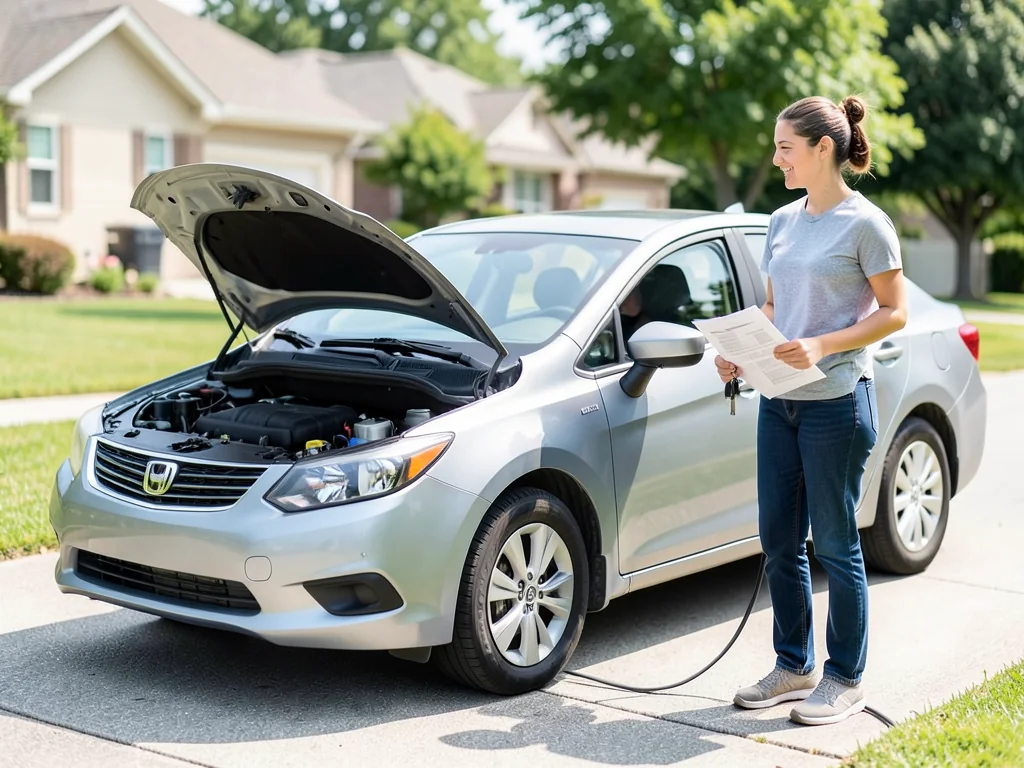
Buying a used car can save real money, but first-time buyers often lose that advantage by skipping steps or letting excitement set the pace. This guide goes through the process in order. It starts with building a budget and researching models, then covers viewing the car, test driving it and arranging an inspection. It ends with the paperwork and what to bring when you hand over payment.
Before You Start: Set a Realistic Budget and Define What You Need
The first number to work out is what the car will cost to own, not just its price. Add sales tax, title and registration fees and the insurance premium. Then set aside a reserve for early maintenance, such as tires, brakes or fluid services a previous owner may have put off. Fuel or charging costs count too. Once you know the total, write your ceiling down before you open a single listing. A shiny car on a lot has a way of stretching limits that seemed firm at home.
Next, turn the way you actually drive into requirements. A long highway commute calls for comfort and efficiency, and tight city parking calls for a smaller car. Snowy winters may make all-wheel drive a priority, and regular passengers or bulky gear set a minimum size. Separate these must-haves from extras like a sunroof. Get insurance quotes for the types of vehicle you're considering, because premiums vary by model. Finally, decide between a dealer, which is more convenient and handles paperwork, and a private seller, who may charge less but leaves more of the work to you.
Research Models and Check What a Fair Price Looks Like
Narrow the field to two or three models. Read owner forums and reliability reviews for complaints that keep coming up, especially about transmissions, electrical faults or costly known weak points. Compare typical running costs such as tire sizes and routine service. Check that parts and independent repair shops are easy to find nearby, because a car that is cheap to buy but hard to fix quickly loses its savings. Newer used hybrids and EVs, which draw growing interest in 2026, call for extra questions about battery health, remaining warranty coverage and whether software updates are current.
To judge fair market value, compare published valuation guides with recent listings in your region for the same model year and trim at similar mileage. Model year, mileage and a documented service history affect value far more than aftermarket wheels or upgraded audio. If a car is priced well above similar examples, the seller should be able to explain why. One priced far below may hide a branded title, accident damage or a scam. Watch your shortlisted listings for a week or two to see how fast well-kept cars sell and where asking prices settle.
Contacting the Seller and Viewing the Car: What to Ask and Observe
Before you travel, ask some questions. Why is the owner selling, and how long have they owned the car? Is the title clean and in their name? Has the car been in any accidents, are there service records, and is a loan still outstanding? Vague or shifting answers tell you something too. Arrange to view the car in daylight, and for a private sale, meet at the seller's home. Ask them not to start the engine before you arrive, because a cold start can reveal hard starting, a rough idle or smoke that a warm engine may hide.
A walk-around needs no tools. Uneven panel gaps or paint that doesn't quite match can point to past repairs, and tire wear should be even across the tread. Look underneath for fresh drips, and check that the warning lights come on at start-up and then go out. Notice any musty or burnt smells inside. Make sure the VIN on the dash, the door jamb and the documents all match. This check only screens for red flags and cannot confirm the car's mechanical health. If a seller pressures you, lacks documents or refuses an independent inspection, walk away politely.
Test Drive Basics and Arranging a Pre-Purchase Inspection
Plan a test drive long enough for the engine to reach full operating temperature. Include slow, tight turns, stop-and-go traffic, a stretch at highway speed and a rough road. Notice whether the car pulls to one side under braking, the steering wheel vibrates, gear changes come late or feel rough, or the suspension clunks over bumps. Test the windows, locks, lights, infotainment, heating and air conditioning. If a warning light comes on or a noise worries you, write it down. Working out the cause takes professional testing, not guesswork.
A pre-purchase inspection by an independent mechanic is usually money well spent, especially on your first purchase. It generally covers the engine, transmission, brakes, suspension, steering and underbody, looking for leaks, rust or collision repairs, and often includes a diagnostic scan. Any stored codes are evidence for the technician to interpret, not proof that a part has failed. Choose the shop yourself rather than using one the seller suggests. A vehicle history report adds context, showing reported accidents, title brands and recorded odometer readings. It cannot reveal damage that was never reported.
How the Transaction Works: Title, Bill of Sale, Registration and Insurance
In a private sale, the seller signs the title over to you. Together you complete a bill of sale listing the price, date, VIN and both parties' details, and record the odometer reading for the required disclosure, often on the title itself. You then take these documents to your state's motor vehicle office to transfer the title, register the car and pay any sales tax. At a dealership, staff usually handle the title and registration paperwork. They should also give you a buyer's guide stating the car's warranty status, which you should read before signing anything.
Before paying, confirm there is no lien on the car. A lender listed on the title, or showing up in a state record check, still has a legal claim to the vehicle. That loan must be paid off and the lien released before ownership can transfer. Arrange insurance so your coverage is active before you drive away, and check whether your state requires temporary tags or a trip permit. Rules on safety inspections, emissions testing and title branding differ from state to state, so check your own state's requirements rather than assuming a single national process.
The Steps in Order and What to Bring on Purchase Day
The full sequence runs in this order: set your budget, research models, check fair value, contact the seller and view the car. Then test drive it, get it inspected, and check its history and title. Last come agreeing terms, completing the paperwork, activating insurance and registering. On purchase day, bring your driver's license and proof of insurance or your insurer's contact details. Also bring a payment method that is safe and traceable for both sides, the VIN and listing details, a printed list of documents to collect, and a charged phone to photograph the title and odometer.
Before you leave, collect the signed title, the bill of sale, every key and fob, the service records, the owner's manual and any accessories the listing promised. As a final check, make sure the VIN, odometer reading and seller's name on the paperwork match the car and the person selling it. In the first week, finish registering the car if that is still pending, book any maintenance the inspection flagged, and keep every document in one folder. That record will help with repairs, warranty questions and, eventually, your own resale.