How to Build a Car Trip Checklist for Different Seasons
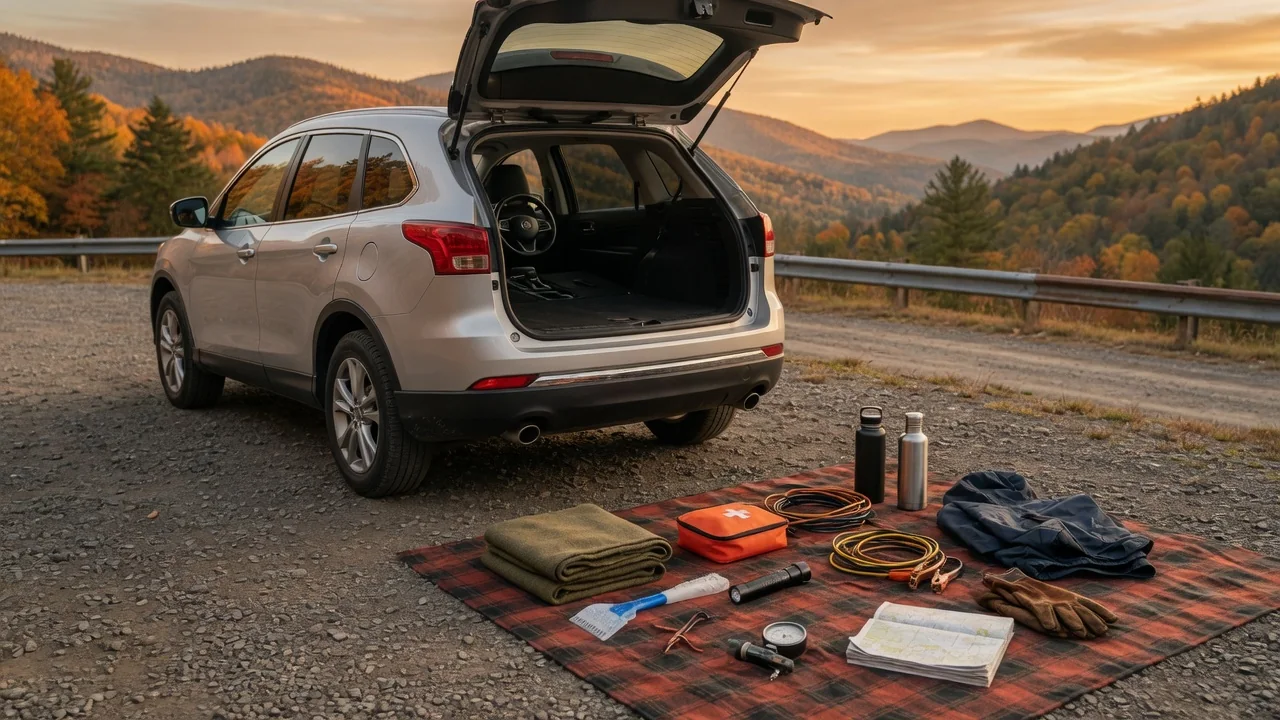
A useful car trip checklist is built around conditions, not copied from a generic list. Temperature, precipitation, daylight and road surfaces all change what a vehicle needs and what its occupants should carry. The most reliable way to build a car trip checklist for different seasons is to start with the weather you expect along the route, use it to decide which vehicle checks matter most, and then pack supplies that match both the season and the distance from help.
Weather needs for each season
Begin by looking at the whole route rather than only the departure and arrival points. A trip can cross mountain passes, river valleys, deserts or coastal stretches where conditions differ sharply from those at home. Plan for the range of weather you might meet, not the most pleasant forecast. Check forecasts for several points along the way, and review road condition reports from state or local transportation agencies before leaving and during the drive. Some areas post seasonal traction or chain requirements and closures, and those can change both the route and the items you need to bring.
Winter and summer place opposite stresses on a car. In cold weather, a battery delivers less starting power, tire pressure falls as the air inside the tires cools, and snow, ice and road salt reduce traction and visibility. Daylight is short, so more driving happens in the dark. In hot weather, the cooling system and air conditioning work harder, and pavement heat adds stress to tires. Heat also affects people: dehydration and fatigue arrive faster in a hot cabin or during a roadside wait.
Spring and fall are transitional seasons, and their main hazard is variability. Freeze-and-thaw cycles open potholes, heavy rain raises the risk of hydroplaning, and wet leaves can make pavement slick. Fog is common in the mornings, temperatures can swing widely within one day, and in many regions deer and other animals are more active near roads at dawn and dusk. A practical way to handle all four seasons is to write a core list that never changes and add a short seasonal module on top of it.
Vehicle checks before departure
Some checks belong on the list in every season. Inspect tire tread depth and look for cuts, bulges or uneven wear, and set pressure to the values on the vehicle's placard, usually found on the driver's door jamb or in the owner's manual, measuring when the tires are cold. Confirm the spare or repair kit is present and usable. Test all exterior lights, check wiper blades for streaking, and note any change in brake feel or noise. Check engine oil, coolant, brake fluid and washer fluid levels, look over visible belts and hoses, and confirm whether scheduled maintenance is due.
Winter adds a battery test, which many repair shops and parts stores can perform, along with a check that the coolant is mixed for low temperatures and that the washer reservoir holds a winter-rated fluid that will not freeze. Make sure the heater and defrosters clear the glass quickly. Winter or all-weather tires improve grip on snow and ice; if chains or other traction devices may be needed, confirm in the owner's manual that they are permitted for your vehicle and practice fitting them before you need them. Owners of electric vehicles should expect reduced range in cold weather and plan charging stops with extra margin.
Summer shifts attention to the cooling system. Check the coolant level only when the engine is cool, and never open a hot radiator or pressurized reservoir cap. Confirm the air conditioning cools properly. Check tire pressure in the morning before driving, because heat raises readings. In spring and fall, watch for alignment or suspension issues after pothole season, replace worn wipers before the rainy months, and clean headlight lenses for longer evenings. Specific intervals, fluid types and tire ratings vary by vehicle, so the owner's manual is the authority for each item.
Supplies to pack by season
A core kit stays in the car all year. It should include a first-aid kit, a flashlight with spare batteries, jumper cables or a portable jump starter, a tire pressure gauge and a portable inflator, basic tools, reflective warning triangles, a phone charging cable, drinking water and nonperishable snacks. Keep personal medications within reach, carry registration, insurance and roadside assistance information, and download offline maps or bring a paper map in case mobile coverage drops.
Winter supplies focus on clearing the vehicle, regaining traction and staying warm if you are stopped. Pack an ice scraper and snow brush, a compact shovel, a traction aid such as sand or traction mats, blankets, spare gloves, hats, warm socks and waterproof boots, and an extra container of winter washer fluid. Summer supplies emphasize hydration and heat management: more water than seems necessary, sun protection, window shades and a cooler for perishable food. Never leave children or pets in a parked vehicle, because cabin temperatures can rise quickly.
For spring and fall, add rain jackets, an umbrella, towels and layered clothing that can handle large temperature swings, plus a headlamp for roadside tasks after dark. Pack emergency items where they can be reached without unloading luggage, and secure heavy objects low in the cargo area so they cannot shift during hard braking. After each trip, restock what was used, replace expired items and test battery-powered devices.
Practical implications and limits
A checklist lowers the chance of a preventable problem, but it cannot make every trip safe to take. Conditions sometimes exceed what a vehicle or driver can handle, and delaying departure or choosing another route can be the correct decision. A driveway inspection also has limits: it catches visible wear and low fluids, not internal faults such as a failing bearing or a weak alternator, so a professional inspection before a long or remote trip can be worthwhile. All-wheel drive can help a car accelerate on slippery surfaces, yet it does not shorten braking distances, and driver-assistance systems may work poorly when sensors are covered by snow, mud or heavy rain. The owner's manual describes these limitations for each specific model.
Treat the seasonal road trip checklist as a living document. Adjust it for the people traveling, since infants, pets and older passengers each change what you carry, and for the remoteness of the route, where long gaps between services justify more fuel, water and food. Respect the vehicle's load capacity listed on its placard, because extra gear adds weight that affects handling and braking. Finally, run through the checks several days before departure rather than the night before, which leaves time to replace a worn tire, battery or wiper without rushing.