How to Access Manufacturer Digital Service Records by Brand
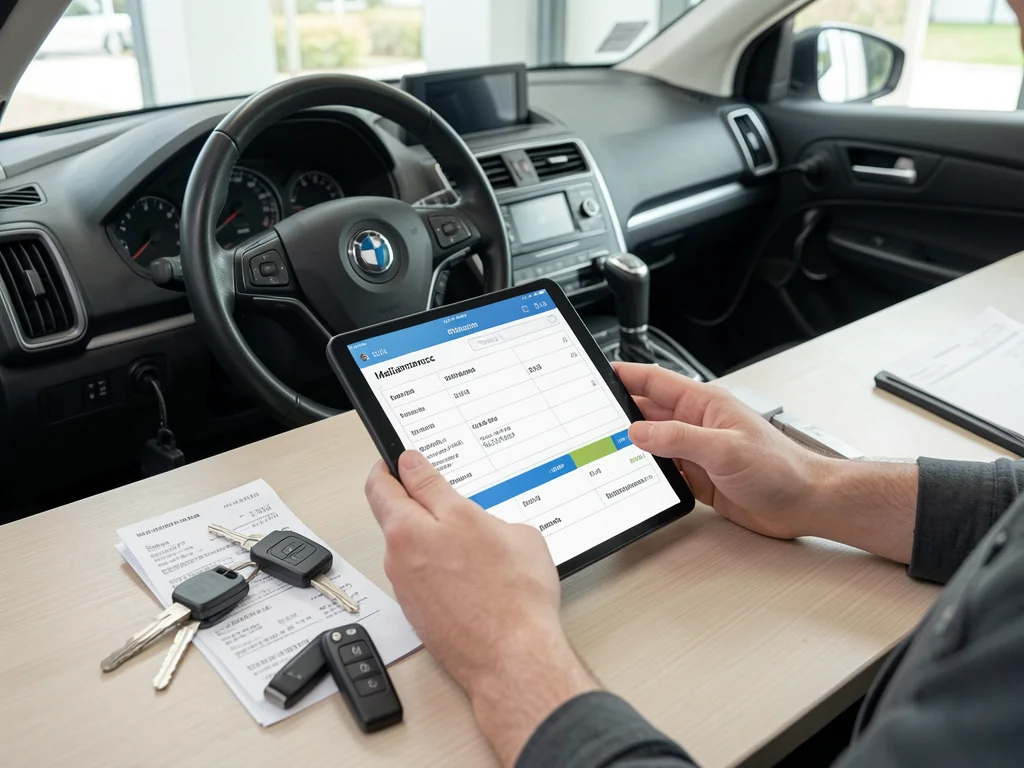
Manufacturer digital car service history systems store participating provider entries that owners and buyers can request through authorized dealers or owner portals. BMW, Audi, Mercedes-Benz, Smart, Volkswagen, Ford, Toyota, Honda, Hyundai, Kia, and Nissan control access differently by year and market. A VIN, identification, and proof of ownership are typically required; a VIN alone does not open another owner's records.
What Digital Service Records Can Tell Owners and Buyers
A digital service record is not a complete diary of every visit. Manufacturer systems typically store entries submitted by participating dealers and other enrolled providers, while an individual store can also keep separate dealer maintenance records and invoices that never reached the brand database. What you can see depends on the brand, vehicle year, market, and whether the shop submitted the visit. Independent work may appear only if that shop participates or if you later produce independent shop receipts.
Before requesting records, gather the VIN, government identification, and proof of ownership when the brand requires it. A prospective buyer should obtain seller authorization rather than expecting a VIN search to open another person's file; personal information may be withheld even when service dates are released. Read each entry for the service date, recorded mileage, and work description, then treat gaps as incomplete reporting rather than proof that maintenance was skipped. Ask the issuer to explain abbreviations and mileage units.
Requesting BMW and Audi Service Histories
A BMW car service history check starts with an authorized dealer, not with a public VIN lookup. Ask which manufacturer service entries exist for that VIN and which supporting invoices the dealer can still retrieve. If the car shows an in-car service-history display, establish what those on-screen lines actually cover, because abbreviated descriptions may omit parts replaced or fluids used. Request printed or electronic documentation for any visit that is unclear so the display and the dealer file can be compared.
An Audi car service history check follows a similar dealer route. Request available digital service entries through an authorized Audi dealer and confirm whether the vehicle's owner account in that market exposes the same record. Portal visibility and historical coverage must be confirmed for the specific car and region; older or imported vehicles may not appear. A buyer should ask the seller to obtain a dated record extract and grant permission to verify relevant entries with the servicing business, without sharing login credentials.
Obtaining Mercedes-Benz and Smart Service Documentation
To check Mercedes car service history, an owner can ask an authorized Mercedes-Benz dealer whether the vehicle has a digital service record and request the available report. Confirm whether the owner account exposes completed service entries for that specific Mercedes-Benz, because account access does not automatically mean every historical visit is listed. Coverage can vary with model year and market, so the dealer should state which participating providers submitted entries and which supporting invoices remain on file.
Smart car service history is not automatically the same file as a Mercedes-Benz owner account. Identify the authorized service contact for the vehicle's year and market and ask where historical records are retained, then confirm whether any Mercedes-Benz portal actually holds that Smart's entries. When a listed visit shows only a date, recorded mileage, or an abbreviated work description, request the supporting invoices from the original servicing location. Retention and privacy rules may limit what a buyer can see without seller authorization.
Accessing Volkswagen and Ford Maintenance Records
Volkswagen car service history and VW car service history refer to the same brand file. Request available manufacturer service-history entries from an authorized Volkswagen dealer using the VIN and required ownership documentation. The dealer should search under that Volkswagen identity. Ask which entries came from participating service providers and whether any owner-entered notes appear. A VW car service history check still depends on market and submitting shops; missing years may mean work was done elsewhere, not that the car sat unused.
How to check Ford car service history starts with the vehicle's owner portal if it exposes maintenance history for that VIN, then an authorized Ford dealer for available documentation. Confirm which visits were submitted by service providers and which, if present, were entered by an owner. When the manufacturer record lacks labor or parts detail, request invoices from the original servicing location, subject to retention and privacy limits. Independent shop receipts can fill periods that never reached Ford's digital file.
Finding Toyota and Honda Service Records
How to check Toyota car service history begins with the owner account and a request for dealer-held records. Confirm whether Toyota displays history for that VIN in your market before treating the portal as complete. How to check Honda car service history online follows the same two paths: confirm what the owner account shows, then ask an authorized Honda dealer for available records. Account access does not mean every past service or every dealer invoice is visible.
A prospective buyer should have the Toyota or Honda seller retrieve available records before purchase rather than sharing account credentials. Ask for a dated extract and seller authorization so a dealer can confirm relevant entries. Connect those manufacturer lines with itemized service invoices and independent shop receipts to document the work performed. Honda car service history check results and Toyota extracts still omit shops that never submitted visits, so receipts from those businesses remain the practical way to close gaps.
Checking Hyundai and Kia Service History Online or Through a Dealer
How to check Hyundai car service history for your own vehicle starts with ownership verification. Confirm whether the owner portal lists historical entries for that VIN. A Hyundai car service history check online is not a public complete VIN lookup, even when described as free; access, coverage, and any document fees need confirmation for the vehicle and market. When online records are incomplete, get Hyundai car service history by requesting available entries and supporting documentation from an authorized Hyundai dealer.
How to check Kia car service history is a separate route through the relevant Kia owner account and an authorized Kia dealer. Confirm vehicle and market eligibility before expecting the file to open. Do not assume Hyundai and Kia share a single visible record even when the groups are related. A buyer can obtain seller-authorized records for either brand and then investigate missing periods using receipts from the businesses that performed the work. Hyundai car service history check results and Kia extracts remain incomplete without those invoices.
Requesting Nissan Records and Resolving Gaps Before Purchase
Nissan car service history is established by checking whether the vehicle's owner account displays service history and by asking an authorized Nissan dealer which historical records it can supply. The dealer may need to direct an invoice request to the location that performed the work, because the manufacturer file may hold only a date, recorded mileage, and a short description. Review the VIN, dates, mileage units, and work descriptions on every supplied document and ask the issuer to clarify inconsistencies before relying on the extract.
Unresolved gaps are handled by requesting seller-held invoices and authorized confirmation from previous service providers, including independent shops. Documented maintenance supports a purchase assessment but does not establish present mechanical condition; wear, recent damage, and undiagnosed faults can exist even when the digital file looks tidy. An independent pre-purchase inspection is useful when records are thin, mileage is high, or descriptions do not match the vehicle's apparent use. Keep the dated extract with the invoices so later owners can continue the same trail.