How Test Driving a Car at a Dealership Works: Rules, Requirements and Tips
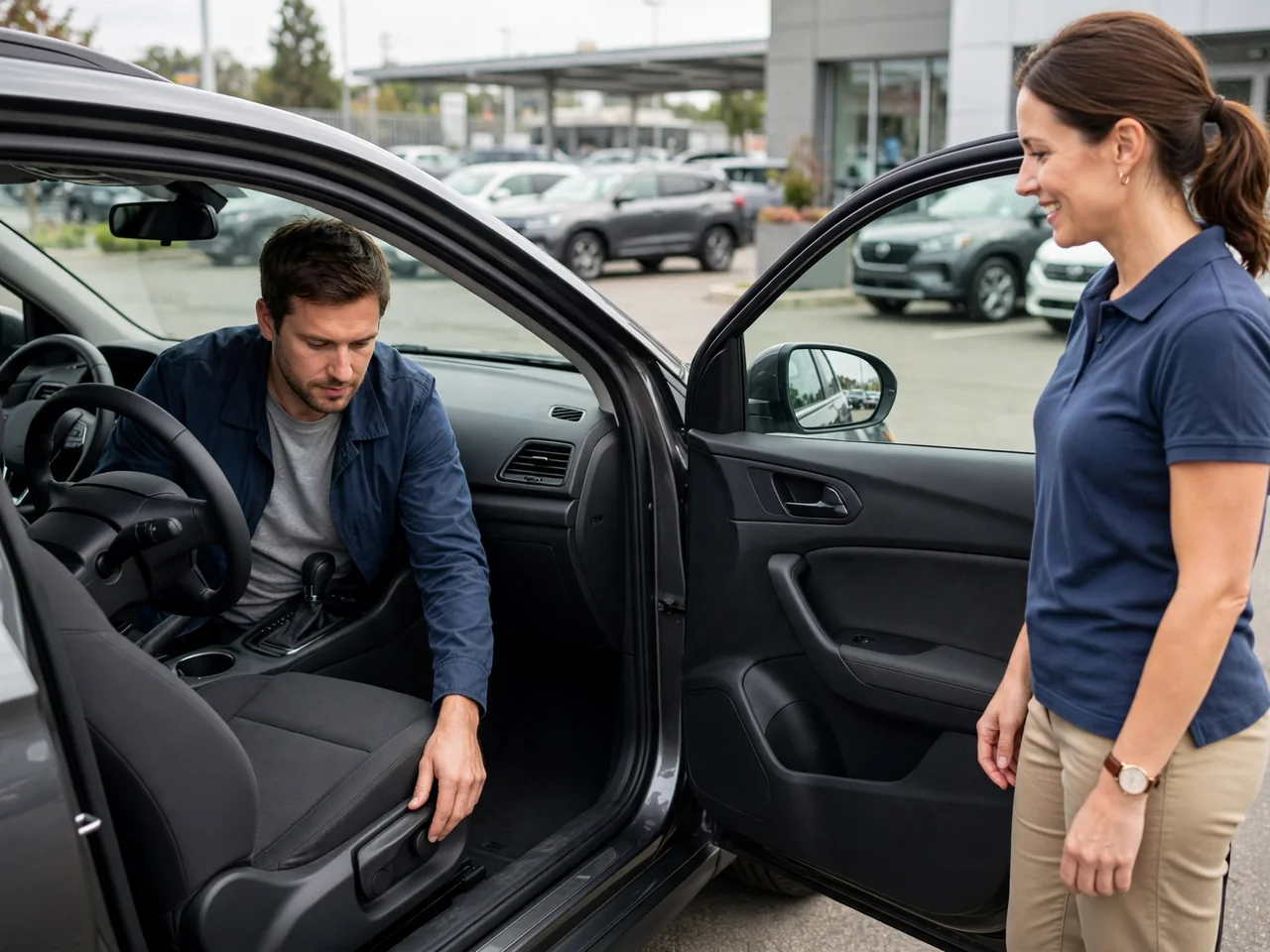
Test driving a car at a dealership is a supervised chance to feel a vehicle before you decide anything. Knowing the usual rules, documents, and what to expect makes the visit smoother, whether you are comparing a new car or learning how the process works. You can share feedback and leave without buying.
What Happens During a Dealership Test Drive
How test driving a car at a dealership works usually follows a simple sequence. Confirm the actual vehicle and trim you want will be available, then check in and present required documents. Staff may review a test-drive agreement covering authorized drivers before a controls walkthrough. After you drive the agreed route and return the keys, you can share feedback. Naming the specific car in advance avoids arriving for a model already out with another shopper.
What to expect when test driving a car still depends on dealership policy. Some stores prefer a dealership appointment, a salesperson may ride along, and passenger permissions can be limited to authorized drivers on the paperwork. Driving routes are often set for traffic, time, and insurance reasons. None of that creates an obligation to buy. You can finish the drive, ask questions, and leave without committing.
Documents, Eligibility, and Rules to Confirm Before Arrival
Requirements for test driving a car almost always start with a valid driver’s license, and many stores also ask for proof of insurance. Confirm accepted documents before you visit so an expired license does not end the appointment. Minimum age, license restrictions, and extra drivers can depend on the dealership and its insurer, and some vehicles may have tighter eligibility. Ask whether a second licensed adult may sit in or take a turn.
What to know before test driving a car includes the rules in the test-drive agreement. Read who counts as authorized drivers, any route restrictions, return conditions, and who is responsible for damage or an insurance deductible. Seat belts, traffic laws, passenger limits, and permitted vehicle use still apply. If a control is unfamiliar, ask staff to demonstrate it while parked so you are not guessing in traffic.
Test-Drive Costs, Insurance, and Credit Checks
Ordinary dealership test drives are generally free, so test driving a car does not usually cost money, though any deposit, hold, or charge should be explained before you agree. Driving the car itself does not affect your credit. A separately authorized financing application may involve a hard credit inquiry if you choose to apply. You can evaluate the vehicle without discussing payments if you are not ready to shop for a loan.
Checking a driver’s license is not by itself a credit inquiry. If staff request a credit authorization or other signed permission, ask what it allows and whether it is required only for a later purchase discussion. Confirm insurance coverage and any out-of-pocket responsibility with the dealership, and with your insurer when you are unsure, before you leave. Knowing who would handle a deductible is part of the rules for test driving a car.
Drive Length and Requests for Overnight or Weekend Use
How long test driving a car takes depends on vehicle availability, paperwork, the agreed driving route, and the store’s schedule. The drive may be brief, while check-in and return add time to the visit. Request enough minutes for conditions you actually use, such as neighborhood streets or a short highway stretch, and agree on the return time before you leave. A rushed loop around the block rarely shows whether the car fits daily driving.
Test driving a car for the weekend, or taking an overnight test drive, needs advance approval and may be unavailable for a particular dealership or vehicle. A new car already tagged for delivery is especially likely to stay on the lot. If the store agrees, get terms in writing: mileage allowance, geographic limits, parking expectations, fuel or charging requirements, fees, insurance, and return arrangements. Verbal permission is easy to misremember once you are off the lot.
What to Check When Test Driving a New Car
What to look for when test driving a new car starts while the vehicle is parked. Check entry and exit, seating position, visibility, and whether you can reach pedals and frequently used switches without stretching. Note passenger space and everyday cargo needs rather than only the showroom impression. Confirm the seat, wheel, and mirrors can be set for the people who will actually drive. This kind of vehicle inspection is about fit, not a mechanical diagnosis.
Tips for test driving a new car include noticing steering feel, normal braking response, ride comfort, cabin noise, and acceleration during lawful everyday driving. Try climate controls, phone connection, and infotainment while parked, and ask staff to explain unfamiliar driver assistance features. Report warning lights, unusual noises, or unexpected behavior and request an explanation. A brief drive cannot establish mechanical condition, and a light is evidence to interpret, not proof a part has failed.
Plan a Useful Route and Adapt to Rain
Tips for test driving a car include asking for an approved driving route that matches your routine, such as neighborhood streets, a parking maneuver, and highway travel when allowed. A short checklist keeps you from judging only first impressions. After you park, jot notes on comfort, questions, and anything unexpected. What to know when test driving a car is easier to recall from those notes than from memory alone.
Test driving a car in the rain is possible when visibility is acceptable, but wet pavement changes what you can fairly evaluate. Check wipers and defogging controls before departure, leave extra following distance, and use gentle inputs suited to conditions. Postpone or end the drive if weather feels unsafe. Skip hard braking experiments, deliberate loss of traction, and attempts to test handling limits on a dealer vehicle.
Handling First-Time Nerves and Browsing Without Pressure
Feeling nervous about test driving a car is common on a first visit. Tell the salesperson, request a calm controls walkthrough, and begin only after seat adjustment and mirrors feel right. A quieter dealership appointment, a familiar approved route, and a support person can help if passenger rules allow. The goal is a clear impression of visibility, comfort, and everyday controls at a pace you can manage.
Shoppers early in the search, or test driving a car for fun rather than ready to sign, should be honest about their timeline and ask whether exploratory drives are available. Access remains subject to dealership discretion, and stores may limit keys to serious shoppers or specific inventory. Ask for a quiet drive, decline a financing discussion, or end the visit after returning the vehicle. Tips on test driving a car include leaving when you have the information you came for.