How Old Is Too Old? Finding the Sweet Spot Age for a Used Car
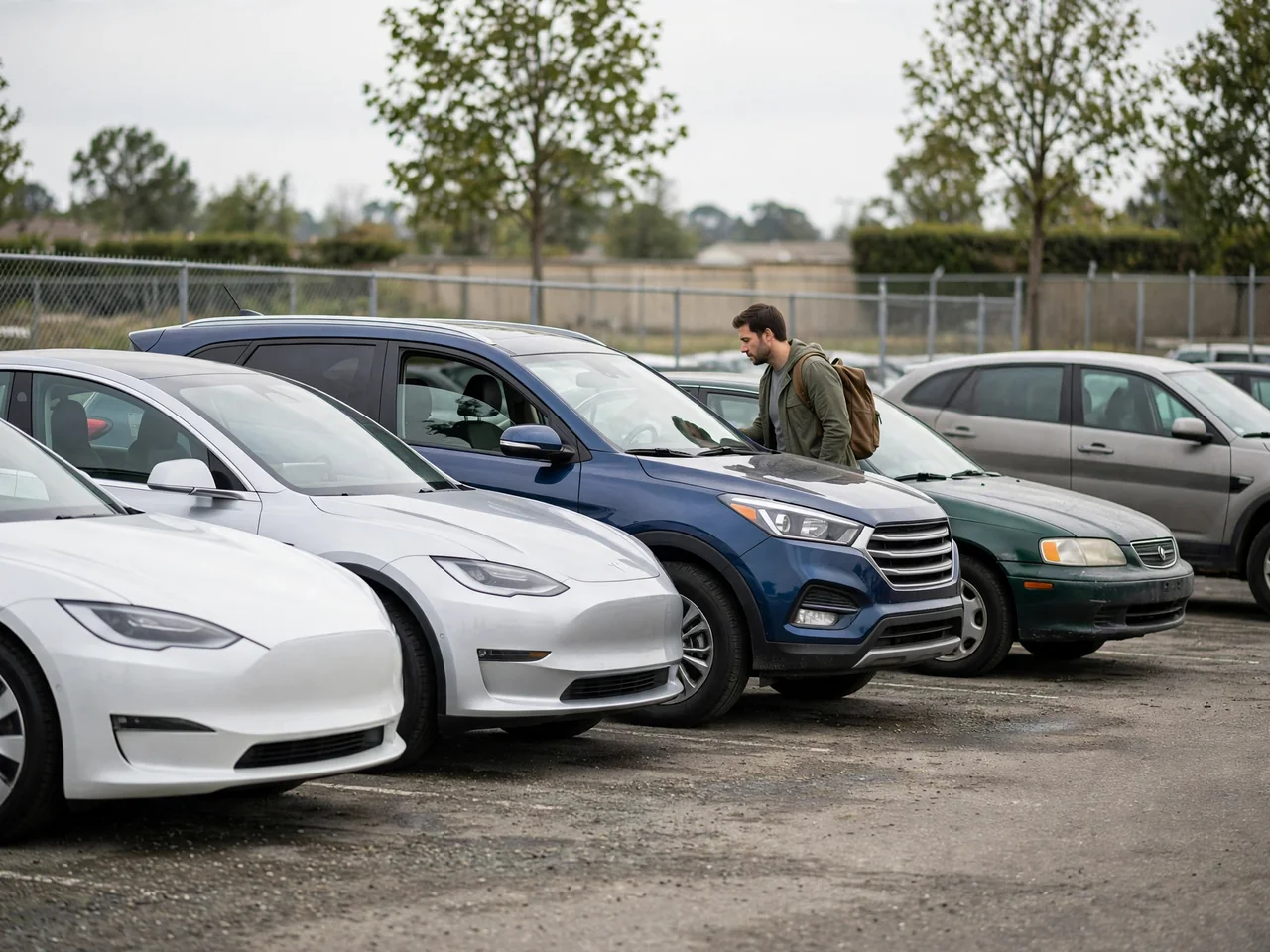
Finding the right vehicle age means balancing a lower purchase price against the likelihood of expensive repairs. The sweet spot for buying a used car is not one magic year, but an age range where depreciation has already done its work while reliability remains acceptable. Understanding this tradeoff helps you avoid paying too much for near-new depreciation or inheriting someone else's neglected aging vehicle.
What the Sweet Spot for Buying a Used Car Actually Means
The sweet spot for buying a used car refers to the vehicle age where the steepest part of the depreciation curve has passed, but the car still retains enough remaining service life to be a dependable purchase. It is not a fixed number of years because build quality, brand reputation, and how the vehicle was maintained all shift that window. A car that ages well mechanically can remain a sensible buy long after a poorly built model becomes a liability, so the sweet spot is a zone, not a point.
Choosing the right age involves accepting a tradeoff: newer used cars cost more but carry less uncertainty, while older ones cost less but may demand more from you in repairs and downtime. How long you plan to keep the car matters too. If you want a short-term car, a slightly older vehicle may make sense; if you plan to drive it for years, starting with something newer and better documented can reduce long-term frustration. Vehicle age is one factor among several, and it must be weighed alongside condition, history, and your own tolerance for risk.
How Depreciation Shapes the Best Age to Buy
Most vehicles lose value fastest in their first few years and much more slowly after that, following a used car depreciation curve that flattens over time. Buying a lightly aged car lets the first owner absorb that steep initial drop, meaning you pay a price closer to the vehicle's long-term value. This is why cars just off lease or a few years old often represent strong value; they have already taken the biggest financial hit while still being modern and relatively trouble-free.
However, not all models depreciate equally. Some hold value better because of reputation, demand, or limited supply, so the sweet spot moves depending on the vehicle. Once depreciation levels off, waiting another year saves you less money while exposing you to more age-related wear. At that point, the additional savings may not justify the added risk of hidden corrosion, failing rubber, or outdated safety equipment. The best age to buy is where the price curve and the risk curve cross in your favor.
When Buying a Used Car, How Old Is Too Old?
When buying a used car, how old is too old depends on the individual vehicle, not a universal cutoff. The practical limit arrives when expected repair costs and uncertainty outweigh the lower price. A missing or incomplete maintenance history is a major warning sign because you cannot verify that critical fluids, timing components, or cooling system parts were serviced. Visible corrosion, cracked rubber trim, and repeated fixes of the same problem suggest that age is catching up with the car.
A well-maintained older car can be a better buy than a neglected newer one, so condition and records matter as much as model year. Before choosing an older vehicle, be realistic about your tolerance for surprise repairs and downtime. If you depend on your car daily and cannot handle a day or two in the shop without warning, an older car may cost more in stress than it saves in purchase price. The question is not just how old the car is, but how well it has been kept.
Age-Related Wear That Happens Even When a Car Sits
Rubber components degrade with time even when a car sits unused. Hoses, belts, seals, bushings, and tires all lose flexibility and strength as they age, regardless of mileage. You can check the manufacture date on the tire sidewall using the DOT code, and old tires may need replacing even if the tread looks fine. Cracking in the sidewall or between tread blocks is a sign that the rubber has aged beyond safe use, even if the car has barely been driven.
Batteries, fluids, and weatherstripping also age out. Cars stored for long periods without proper preparation can develop fuel system varnish, corroded electrical contacts, and flat-spotted tires. Climate plays a big role in corrosion: vehicles from areas with heavy road salt or coastal humidity are more likely to have rust on brake lines, suspension mounts, and body panels. Safe visual checks include looking under the car for flaking metal, rust bubbles in paint, and crusty fasteners, but for a complete assessment an experienced technician should inspect the underside.
Safety Features, Technology and Parts Availability as Cars Age
Older vehicles may lack safety and driver-assistance features that became more common in later years, such as electronic stability control, side curtain airbags, or automatic emergency braking. Equipment varies by trim and option package, so do not assume a car has a feature just because its model year suggests it might. Check the specific vehicle's window sticker or build sheet, and physically confirm that warning lights and buttons are present. Missing safety equipment may be acceptable for some buyers, but it is a real tradeoff.
Outdated infotainment, connectivity, and navigation can affect everyday satisfaction without affecting mechanical reliability. An older car might have no Bluetooth, no backup camera, or a slow touchscreen, which can become annoying on long commutes. Parts and qualified service may also be harder to find for very old or low-volume vehicles, raising repair time and cost. Before buying, check for open recalls on the specific vehicle through official channels, because an unrepaired safety recall can make even a well-maintained car unsafe.
Matching the Right Vehicle Age to Your Budget and Plans
Matching vehicle age to your budget involves more than the purchase price. Older cars often cost less to buy but may cost more to insure for certain coverage types, and financing terms can be less favorable. Lenders often restrict loan terms or interest rates for older vehicles, so confirm the details with lenders directly before shopping. A lower price can be offset by higher ownership costs over time, including repairs, fuel, and insurance, so consider the total cost of ownership.
Your planned ownership length changes the ideal age. Short-term owners who plan to resell in a couple of years might choose a slightly older car that has already depreciated, minimizing further loss. Long-term keepers might prefer a newer vehicle with fewer age-related unknowns, accepting a higher initial price for lower long-term risk. If you buy toward the older end of the range, it is wise to set aside an emergency repair fund to cover unexpected failures without derailing your finances.
Checking an Older Used Car Before You Commit
Before committing to an older used car, review the vehicle history report and service records. Look for gaps in maintenance, multiple ownership changes in a short time, or signs of accident or flood damage. A clean report is not a guarantee, but a problematic one is a strong reason to walk away or investigate further. Confirm that the odometer reading is consistent with the reported history, and be wary of title brands such as salvage or rebuilt, which can affect safety and resale value.
During your own inspection and test drive, watch for warning lights, unusual noises, smells, and leaks under the car. Notice how the car handles over bumps and whether the steering pulls or vibrates. However, a buyer's inspection has limits, especially for age-related issues hidden underneath or inside the engine. An independent pre-purchase inspection by a qualified technician is strongly recommended, especially for older cars. If the seller refuses to allow an independent inspection or cannot explain obvious condition issues, it is often best to walk away.