How Often Should You Get a Wheel Alignment?
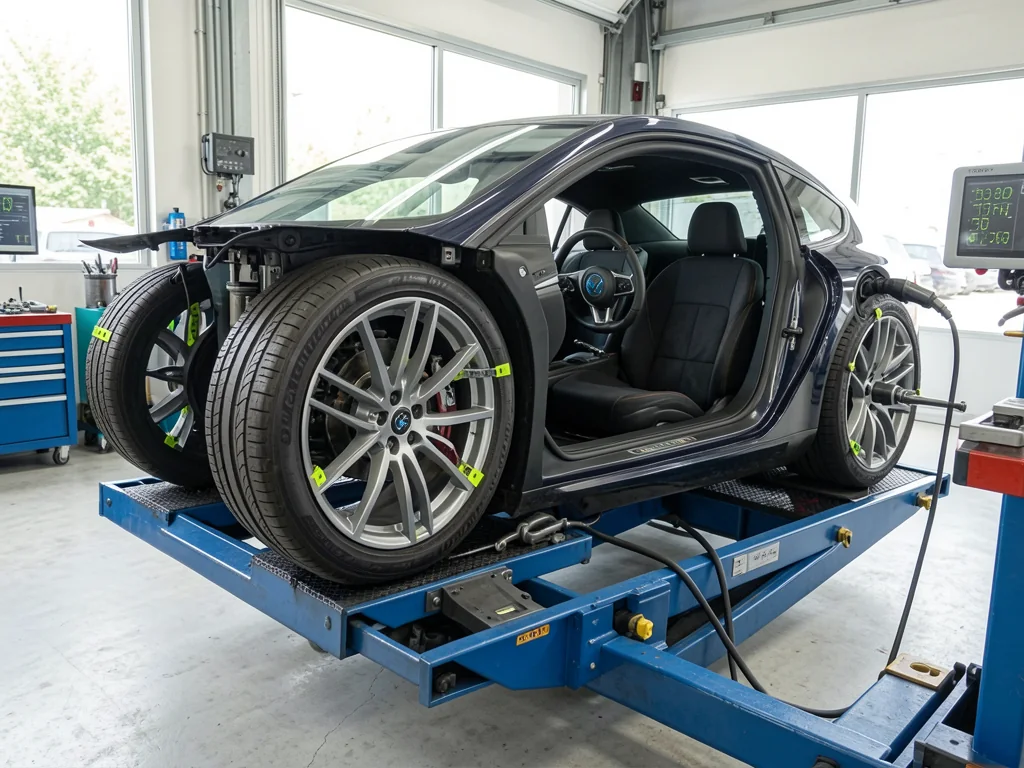
How often you need a wheel alignment depends on driving conditions, impacts, and whether steering or suspension parts have been disturbed. No single mileage or calendar interval fits every vehicle. An alignment inspection measures wheel angles so a shop can decide if adjustment is needed. Start with the vehicle's maintenance guidance, then schedule sooner after potholes, curb strikes, handling changes, or relevant repairs.
How to Set Your Wheel Alignment Schedule
There is no universal answer to how often a wheel alignment should be done. Manufacturer maintenance schedules differ, and some vehicles call for a check at certain service visits while others leave the decision to inspection findings. Consult the owner's information for that model rather than copying a neighbor's interval. An alignment check is a set of alignment measurements of camber, caster, and toe relative to the specified steering geometry; those numbers tell a technician whether adjustment is even possible or useful on that vehicle.
Base how often you get a wheel alignment on more than the last service sticker. Tire condition, a change in how the vehicle tracks, a remembered pothole impact, and recent suspension work all belong in the decision. A fresh alignment does not lock the geometry in place forever. A curb strike or a repair that disturbs control arms, tie rods, or subframe fasteners can change wheel angles again, so when you should have a wheel alignment after those events is a separate question from how recently the last adjustment was completed.
How Your Driving Conditions Affect Check Timing
Repeated potholes, broken pavement, and uneven roads load the steering and suspension in ways a highway commute rarely does. Each jolt can shift a wheel a small amount, and those shifts add up even when no single event felt dramatic. Mileage alone cannot capture that history, because one hard curb strike at low miles can matter more than a year of smooth interstate travel. If the roads you use are consistently rough, it is reasonable to discuss additional alignment inspections with a qualified shop rather than waiting for a calendar date.
Use tire rotations, seasonal tire changes, and other maintenance visits as chances to talk about tracking, wear patterns, and recent impacts without inventing a fixed service interval. Note pothole hits, changes in steering effort, and past alignment measurements so the next discussion is specific to that vehicle. Worn bushings, ball joints, or tie-rod ends can let geometry drift between visits, which is another reason how often you need a wheel alignment cannot be reduced to odometer readings alone.
When a Pothole or Curb Strike Calls for Inspection
A substantial pothole impact or curb strike is a reason to inspect sooner, especially if the steering wheel sits off-center afterward, the vehicle pulls, or a wheel looks out of position. Park in a safe place and look for obvious tire damage, a bent wheel lip, or a tire that has gone low. Those visual clues do not prove an alignment fault, but they do show that something absorbed a blow worth documenting before you resume normal driving.
Alignment measurements describe wheel angles; they do not by themselves prove whether a tire, wheel, steering rack, or suspension part was bent or loosened. After a hard hit, a shop may need to inspect those components before any adjustment is meaningful. If the vehicle becomes difficult to control, pulls hard, or a tire shows a bulge, cut, or rapid loss of air, stop when it is safe to do so and arrange assistance rather than continuing to drive on a compromised wheel or tire.
Symptoms That Should Bring Your Appointment Forward
Persistent pulling to one side, an off-center steering wheel during straight travel, and uneven tire wear are common reasons to move an alignment inspection earlier. Those signs still do not confirm that the steering geometry is out of specification. Low or uneven tire pressure, a damaged tire, road crown, a dragging brake, or a worn suspension part can produce similar tracking complaints. Treat the symptoms as a prompt to inspect, not as a diagnosis that an adjustment will fix the problem.
Vibration through the steering wheel or seat has many possible sources, including tire balance, a bent wheel, and driveline issues, so it should not automatically be blamed on alignment. Check tire pressure using the vehicle's placard or owner's information before assuming a geometry problem. Document when the pull happens, whether the steering wheel is centered on a straight, level road, and which tires show unusual wear. Do not take your hands off the wheel to test tracking; keep control of the vehicle and let a shop evaluate the findings.
Alignment Checks After Suspension Work or New Tires
When to get a wheel alignment after repairs depends on what was disturbed. Work on control arms, ball joints, tie rods, struts, or subframes can change steering geometry, and the vehicle's service procedure may call for an alignment check afterward. Ask the shop whether the job they performed affects wheel angles rather than assuming every undercar repair requires an adjustment. The point is to confirm the wheels sit where the manufacturer specified after parts that locate those wheels have been loosened, replaced, or realigned.
Fitting new tires is another time to discuss how often to get wheel alignment, especially if the old set showed uneven tire wear or the vehicle already pulls. New tires do not, by themselves, prove that an adjustment is required; they simply make existing geometry problems more expensive if they are left unaddressed. Worn or damaged steering and suspension parts need evaluation first, because an alignment performed on loose or bent components will not hold and can give a false sense that the geometry is correct.
What to Ask the Shop Before Scheduling the Next Check
Before you leave, ask whether the measured wheel angles meet the specifications for that vehicle and have the shop explain which readings were in range, which were adjusted, and which could not be corrected. If a reading cannot be brought into specification, that often points to bent or worn parts rather than a simple adjustment. Also ask whether the tire wear or steering symptoms suggest extra inspection, such as checking ball joints, bushings, or a wheel that may have been damaged in a prior impact.
Alignment cannot restore tread that has already been worn away on the inner or outer shoulder, so tire condition may need its own decision about rotation, replacement, or further diagnosis. Set the next check from the vehicle's maintenance guidance plus what this inspection found. Move that date earlier if a new pothole impact, curb strike, handling change, or round of suspension work occurs. That is a practical way to decide how often you should get a wheel alignment without treating one shop visit as a permanent answer.