How Often Should You Clean Your Throttle Body?
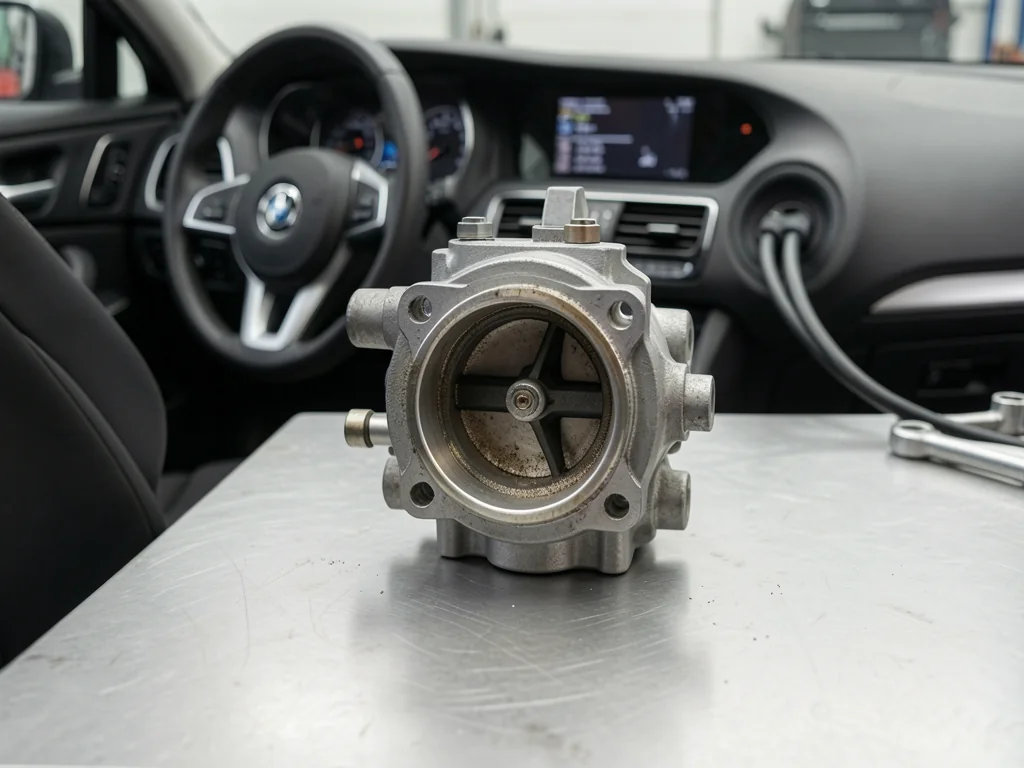
How often to clean a throttle body depends on inspection findings, driving conditions, and the vehicle’s maintenance schedule rather than a single mileage figure. Throttle plate deposits can affect idle speed and electronic throttle control, but they accumulate at different rates across engines. A scheduled throttle body inspection may show whether cleaning is due sooner, while a light film of residue does not automatically mean service is required.
How Often Does a Throttle Body Need Cleaning?
There is no universal interval for how often you should clean a throttle body that applies to every make, model, and engine family. Manufacturer guidance and the vehicle’s maintenance schedule remain the first place to look before choosing any interval, because electronic throttle control designs, intake layouts, and crankcase ventilation arrangements differ. Some schedules call for a visual throttle body inspection at certain services; that inspection is a check of condition, not an automatic instruction to clean the throttle plate.
Mileage by itself does not establish a need for cleaning. An odometer reading can only suggest how long the intake has been in service; it cannot show whether throttle plate deposits are present, how thick they are, or whether they are disturbing airflow at idle. Inspection findings and operating symptoms matter more than a round-number service interval. Distinguishing a scheduled inspection from a requirement to clean the throttle body keeps owners from treating a look-over as a mandatory chemical service.
How Mileage and Driving Conditions Inform Inspection
Deposits can accumulate over use, yet mileage does not reveal their amount or their effect on idle speed. Frequent short trips, extended idling, and dusty operation are useful context to share with a technician during a throttle body inspection, because those driving conditions change how the engine warms, how long the throttle plate sits near idle, and what the intake filter must handle. They do not, by themselves, assign a reduced mileage interval or guarantee a faster deposit rate on any particular vehicle.
Crankcase ventilation vapors can contribute to throttle plate deposits as oil mist and combustion byproducts move through the intake. Buildup patterns still depend on engine design, ring and valve-guide condition, and how the ventilation system is routed around the throttle bore. Dusty use warrants attention to air filtration and intake integrity first: a torn filter, loose clamp, or unsealed housing can let debris past the element. That concern is separate from an automatic throttle body cleaning appointment based on dust exposure alone.
Symptoms That Warrant Attention Before the Next Service
A rough or unstable idle, stalling, and hesitation can be reasons to investigate throttle body condition before the next scheduled visit. Throttle plate deposits may disturb airflow at closed or near-closed positions, which electronic throttle control then tries to compensate for by changing commanded idle speed. Those same symptoms can also come from vacuum leaks, ignition faults, fuel delivery problems, or sensor issues. They do not prove that deposits are responsible, so the throttle body is one item to assess rather than the default cause.
Note whether the behavior appears during cold starts, after warmup, or when accessory loads such as air conditioning or power steering demand extra idle airflow. That pattern helps a technician compare commanded throttle position with actual idle quality instead of treating every idle complaint as a dirty bore. Repeated stalling, reduced power, or unpredictable throttle response deserves prompt professional assessment. Those conditions affect control of the vehicle and should not wait for a later maintenance schedule stop if they keep recurring.
What an Inspection Can Establish
Visible deposits may support further assessment, but they do not by themselves demonstrate a performance problem. A light varnish on the throttle plate is common after ordinary operation and may leave idle speed unchanged. A technician can weigh what is seen against intake condition, stored fault information, and how the engine actually idles and accelerates. Fault codes are evidence to interpret in vehicle-specific context; they do not prove a part has failed, and manufacturer-dependent codes still require confirmation on that vehicle.
Owner observations are most useful when they stay limited to symptoms, warning lights, mileage, and service history. Avoid disassembly or throttle plate manipulation; electronic throttle control systems can be damaged by forcing the plate, and residue location is easy to misread without proper access. Normal operation with only a light residue does not automatically justify cleaning. The inspection’s job is to decide whether deposits are affecting airflow enough to warrant service, not to treat every visible film as a failed component.
Confirm the Need and Plan the Next Check
If a shop proposes cleaning, ask what inspection or diagnostic findings support that service. Useful answers describe deposit location and thickness relative to the throttle plate, idle behavior, and any related intake or ventilation issues, rather than a generic claim that the throttle body is due. Cleaning methods, product suitability, and any idle relearn or throttle relearn requirements depend on the vehicle. Electronic throttle control often needs a controlled relearn after the bore is disturbed so commanded idle speed matches the cleaned airflow.
Document the service mileage, the reason cleaning was performed, and whether the original symptoms resolved. That record helps the next throttle body inspection start from known condition instead of repeating work without evidence. Unresolved or recurring rough idle, stalling, or hesitation calls for diagnosis rather than another cleaning cycle, because deposits may not have been the cause. The next check should follow manufacturer guidance together with observed condition, so how often to clean a throttle body stays tied to findings rather than habit.