How Often Should You Change Spark Plugs? Intervals and Lifespan
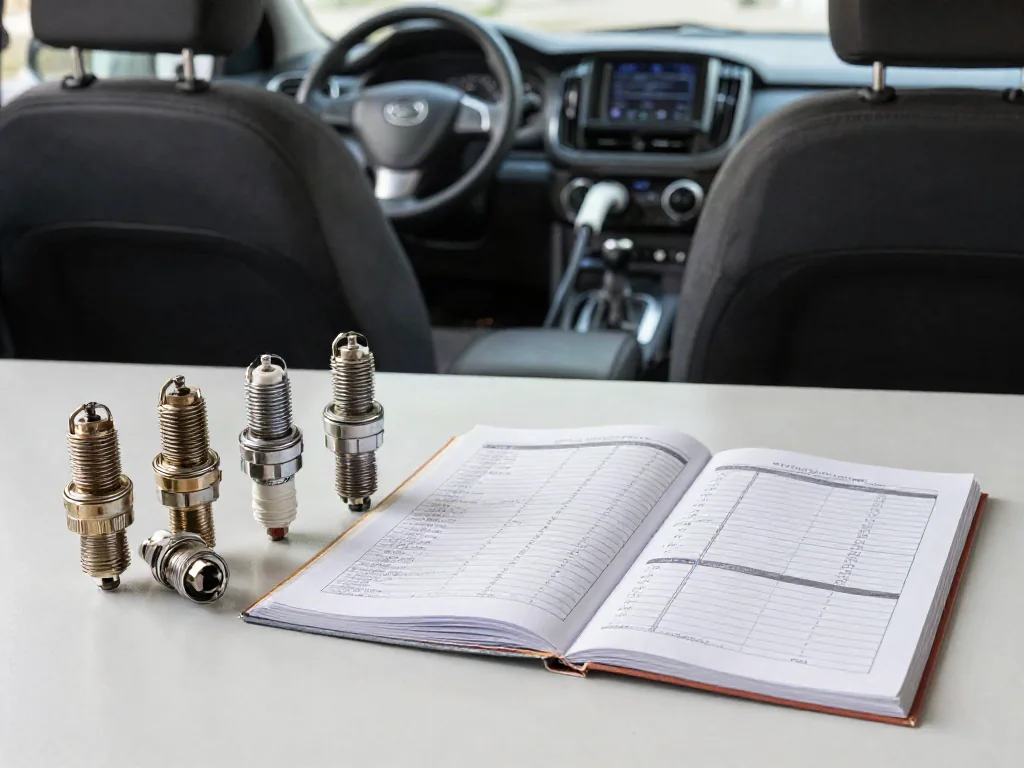
Spark plugs are among the few ignition parts designed to be replaced on a schedule, yet the right timing varies more than many drivers expect. How long they last depends on the engine, the plug design the manufacturer specified, and how the vehicle is driven. Knowing where to find your interval and how to track it keeps replacement from becoming guesswork.
Find the Replacement Interval for Your Vehicle
The most reliable answer comes from the manufacturer's maintenance schedule for your exact model year and engine. Automakers set spark plug intervals around the plug design, combustion chamber, and ignition system they engineered together, so a figure borrowed from a friend's car or a general rule of thumb may not apply. Two versions of the same model can use different engines with different requirements, which is why the engine designation matters as much as the model name when you look up the interval.
The schedule usually appears in the owner's manual or a separate maintenance booklet, often organized by mileage milestones. Identify the correct engine entry using the displacement or engine designation shown on the underhood emissions label or in the vehicle's original paperwork. Read the wording carefully, because some entries call for replacement while others call only for inspection at an earlier point. An engine that runs smoothly is not a reason to stretch a scheduled replacement, since plug wear develops gradually and often goes unnoticed.
What Copper, Platinum, and Iridium Mean for Timing
The word copper usually describes a conventional plug built around a copper core, with firing surfaces made from a nickel alloy. The copper helps carry heat away from the tip, but the nickel electrodes are comparatively soft and erode as the plug fires over and over. Calling a plug copper describes its construction, not its service life, so the label alone does not tell you when it should come out of a particular engine.
Platinum and iridium plugs use harder precious-metal firing surfaces that resist electrode erosion, helping the gap stay closer to specification over time. Iridium tips are often very fine, which can support a consistent spark while wearing slowly. Even so, neither material carries a universal lifespan, and installing a premium plug does not justify extending the schedule. The interval belongs to the approved plug in that engine, and a plug that differs from the specified type or heat range may not suit the engine at all.
Understand Spark Plug Lifespan
It helps to separate the planned interval from the actual life of a given set. The interval is a replacement point chosen so plugs are changed before wear typically affects performance, while useful life is how long an individual set keeps firing reliably. Over time, electrodes erode and the gap widens, so the ignition system needs more voltage to jump it. Deposits from fuel, oil, or additives can also build on the insulator and electrodes, making misfires more likely under load.
Lifespan therefore depends on several factors working together: the plug's design and materials, how demanding the engine's ignition requirements are, the conditions the vehicle operates in, and the mechanical health of the engine itself. An engine that burns oil or runs rich can shorten plug life regardless of plug type. Calendar age matters only where your schedule lists a time limit alongside mileage. If it does, follow whichever limit arrives first rather than assuming a universal age cutoff applies to every vehicle.
How Mileage and Driving Conditions Affect Timing
Mileage is a convenient way to schedule plug replacement because it is easy to track, but it does not capture everything an engine experiences. Repeated short trips may keep the engine from reaching full operating temperature, which can let deposits accumulate. Extended idling adds running time without adding miles. Sustained high loads, such as towing or hauling, raise combustion temperatures and stress the plugs differently. None of these conditions automatically removes a set amount from the interval, but they help explain why plugs age differently.
If your vehicle is regularly used this way, check whether the manufacturer publishes a severe-use schedule and whether it includes any spark plug provisions. Severe schedules often change certain services while leaving others untouched, so do not carry oil or filter rules over to plugs by assumption. If plugs keep fouling or the engine runs abnormally, replacing them sooner and sooner treats the result rather than the cause. A qualified technician can look into issues such as oil consumption, fuel mixture problems, or ignition faults.
Recognize When a Check Is Needed Before the Due Mileage
Some situations justify a check before the plugs reach their due mileage. Rough idling, hard starting, hesitation during acceleration, or a noticeable drop in fuel economy are good reasons to have the engine assessed. These observations do not prove the plugs are worn, and they do not reveal how much life remains. Similar symptoms can come from ignition coils, fuel delivery, vacuum leaks, or sensors, and any stored fault code is evidence to interpret alongside other testing rather than a verdict on one part.
The reverse also holds: reaching the scheduled interval is reason enough to arrange replacement, even when the engine feels normal. Worn plugs can make the ignition system work harder well before a driver notices any change in how the vehicle runs. If the engine shakes severely or the check-engine light flashes, seek professional attention promptly. A flashing light commonly signals a misfire serious enough to risk damaging the catalytic converter, so follow the owner's manual guidance on whether to stop driving.
Use Service Records to Work Out Your Next Due Date
Working out your next due point starts with finding the last documented replacement. Look through repair invoices, dealer service history, or your own maintenance log for an entry showing spark plug replacement, and note both the odometer reading and the date. Then apply the manufacturer's recurring interval to those figures. If the schedule lists both a mileage and a time limit, calculate each and plan around whichever comes first. For a vehicle with gaps in its history, ask previous owners or shops whether records exist.
When no records turn up, the current odometer reading says nothing about the age of the installed plugs, since they could be original or recently replaced. A qualified shop can advise whether to inspect or replace them to establish a known starting point. Once the work is done, record the mileage, the date, the exact plug specification installed, and the next scheduled replacement. Keeping that information in one place makes future planning simple and gives the next owner a clear maintenance history.