How Much Oil Does an Engine Take? Finding Your Oil Capacity
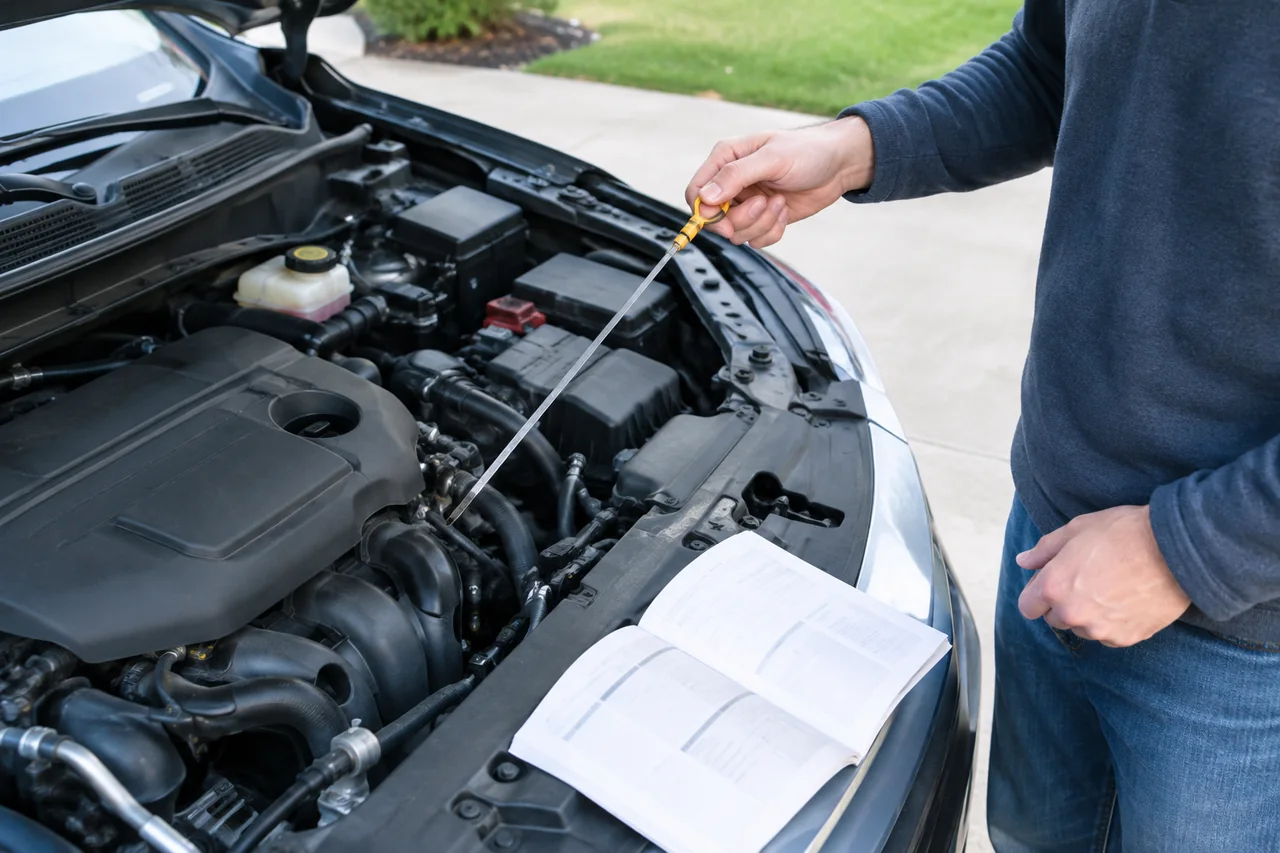
Finding the right engine oil amount starts with identifying the engine, then using the published oil engine capacity as a reference rather than a guess. The listed engine oil capacity is a service specification, not a measurement of what is already in the crankcase. Using the owner's manual, the correct refill quantity, and the vehicle's own level check keeps the oil between the minimum and maximum oil marks and reduces the chance of overfilling or running short.
Identify the Exact Engine Before Looking Up Capacity
Oil capacity charts are engine-specific, so the model year, market, and exact engine configuration have to be known before a number is useful. Two vehicles that look similar can carry different sumps, oil coolers, or filter housings, and those hardware differences change the published engine oil capacity. Displacement by itself does not settle the engine oil amount, because a 2.0-liter engine can appear in several families with different pan designs, filter volumes, and lubrication circuits. Matching the engine code, option content, and year prevents using a nearby but incorrect specification.
The owner's manual is the first place to identify the engine, often listing the engine family, displacement, and any notes that distinguish similar powertrains. Door-jamb, under-hood, and emissions labels can add the engine code or certification family when the manual is missing or the vehicle has been modified. Manufacturer vehicle records, including a dealer inquiry by VIN, can confirm the as-built engine when badges, prior repairs, or swapped components make the identity unclear. Confirming that identity first keeps later capacity lookups from mixing engines that share a displacement but not an oil engine capacity.
Find the Correct Oil Change Refill Specification
Once the engine is identified, the oil change refill amount belongs in the capacities section of the owner's manual or in manufacturer service information for that exact configuration. Those sources list the intended engine oil amount for a drain-and-fill service, which is the figure that should be used for a routine oil change. Aftermarket summaries can be convenient, but they should be checked against the same vehicle-specific listing, because a nearby model year or a different oil cooler option can change the published quantity.
The listing must be read with its footnotes. Many capacities include oil filter replacement; others give one quantity with the filter and another without it. Using the filter-included figure when the old filter stays in place, or the reverse, can leave the crankcase high or low. A dry-engine or overhaul capacity is a different service condition and must not be treated as the routine refill amount, because that larger volume assumes empty galleries and a freshly assembled engine. Confirm the units: quarts and liters are not interchangeable, and a quart listing may be US or imperial.
Use Capacity as a Reference for the Actual Fill
A published engine oil capacity is a target for a drain-and-fill, not a reading of how much oil is already in the engine. Residual oil remains in the pan, galleries, cooler, and filter housing after a drain, so the amount needed to reach the specified level is often less than the listed refill. A short drain or oil still held in a cooler circuit can change how much new oil is required. The listed number is a starting reference, not proof that a matching container volume will produce a correct fill.
Topping up is a different task from a refill. The full oil change refill amount is not a top-up quantity, and adding that much on top of oil that is already present will overfill the engine. A level check is required first, using the vehicle's prescribed filling and checking procedure. Pouring until a bottle is empty does not confirm a correct fill, because residual oil, filter choice, and drain completeness all affect the result. Add toward the specified range, then verify the level rather than treating the container quantity as the measurement.
Check the Oil Level Using the Vehicle's Procedure
A useful dipstick reading or electronic oil level display depends on the conditions the manufacturer specifies. Park on level ground so the oil is not pooled at one end of the pan. Follow the required engine temperature, whether the engine should be off or idling, and the waiting period that lets oil drain back from the cylinder head. Checking too soon after shutdown, or on a slope, can make a correct fill look low or high. Those setup steps are part of the measurement, not optional extras.
On a dipstick-equipped engine, withdraw the stick, wipe it, fully reinsert it, then read the film against the marks in the owner's manual. Keep clear of hot surfaces and moving components while the engine is warm. Vehicles with an electronic oil level display require the same attention to measurement conditions and to messages that say the reading is not yet valid. The acceptable range sits between the minimum and maximum oil marks. That gap is not a universal volume, so the distance between marks should not be assigned an assumed quantity such as one quart.
Respond Safely to an Incorrect or Uncertain Oil Level
If a confirmed check shows the level below the minimum mark, add the specified oil in small increments and recheck using the same procedure in the owner's manual. Small additions prevent overshooting the maximum mark, especially when residual oil is still draining back. If the level is confirmed above the maximum mark, arrange safe correction before driving rather than continuing with an overfilled crankcase. Do not improvise extraction or draining methods; overfill correction belongs with the vehicle's service procedure or a qualified shop, because uncontrolled draining can leave the engine low or create a spill hazard.
An oil pressure warning is not a quantity gauge. It reports pressure in the lubrication circuit, which can drop for reasons other than a low sump, and it requires stopping safely and following the vehicle's warning instructions rather than adding oil by guesswork. Seek professional assessment when oil loss repeats, when the level rises without a known cause, when warnings persist after a correct fill, or when dipstick or electronic readings remain unreliable. Those patterns can point to leaks, consumption, contamination, or a sensing fault, and they need diagnosis beyond another attempt to match the published engine oil capacity.