How Much Does It Cost to Charge an Electric Car? Home vs Public Charging
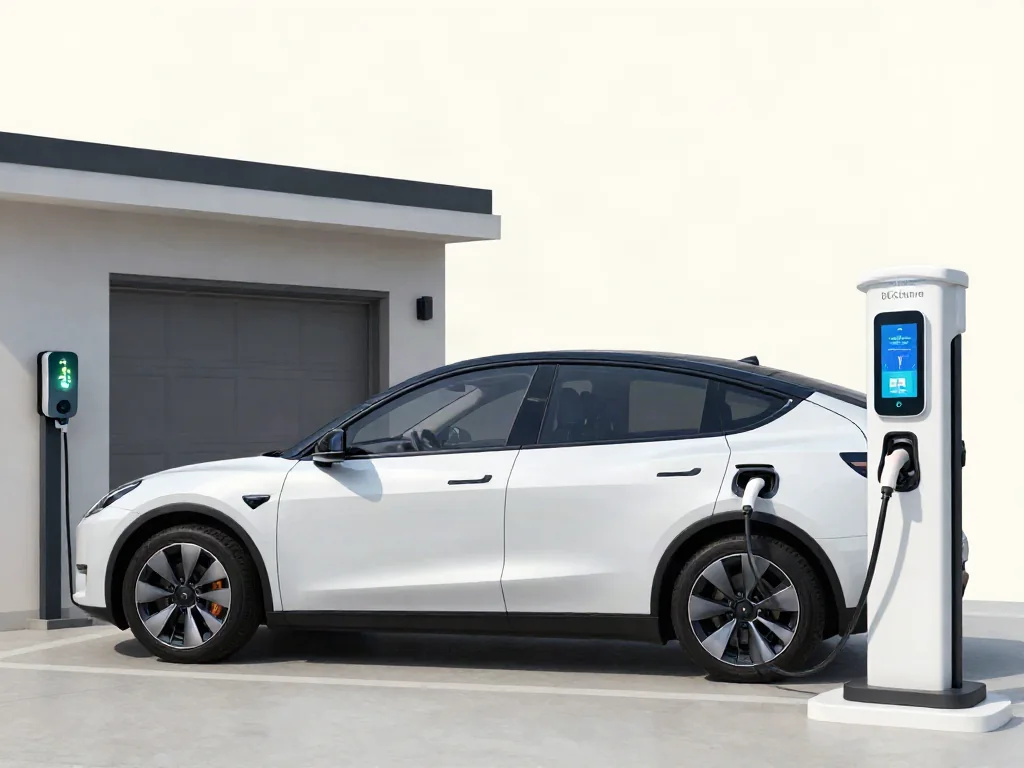
Charging an electric car rarely costs the same twice. The price depends on how much energy goes into the battery, what you pay for each kilowatt-hour, and whether that energy comes from your garage or a highway fast charger. Once you understand those pieces, you can estimate your own cost per charge, predict the change on your electric bill and compare it fairly with buying gas.
What Actually Sets the Price of a Charge: Battery Size, Efficiency and Your Rate
Charging electricity is sold by the kilowatt-hour, the same unit used on a household utility bill. The cost of a session is the energy added multiplied by the price per kWh, plus any fees a public network adds. Battery capacity sets how much energy one charge can hold. Efficiency, measured in miles per kWh, sets how far that energy takes you. Divide your price per kWh by your car's miles per kWh, and you get a cost per mile that works for any vehicle.
Some energy is lost as heat in the charger, the cable and the battery. That means the meter records a little more energy than the pack actually stores, so add a modest margin to your estimates. Use your own utility rate and your car's rated or observed efficiency rather than a national average, because rates vary widely by state and utility. The same car can cost very different amounts to charge depending on where, when and how fast it is plugged in.
Charging at Home: Level 1, Level 2 and How It Shows Up on the Electric Bill
At home, charging is billed at your household electricity rate. To find your true rate, look past the headline energy charge on your statement. Add delivery charges, riders and taxes, then divide the total usage-based charges by the kWh you used. Many utilities offer time-of-use or EV-specific plans that make overnight, off-peak power cheaper than daytime power. Check your utility's website to see which plans are available and whether a plan covers the whole house or needs a separate meter.
Level 1 charging uses a standard outlet and Level 2 uses a 240-volt circuit, but both pay the same price per kWh. Charging more slowly does not make the electricity cheaper. Level 2 does add one-time costs for the wall charger and electrical work, and any panel or circuit changes belong with a licensed electrician. To estimate your monthly bill increase, divide your monthly miles by your miles per kWh, add a loss margin and multiply by your rate. Many cars and connected chargers log energy use, so you can check the result.
Charging at Public Stations: Level 2 Networks, DC Fast Charging and Extra Fees
Public stations price charging in several ways: per kWh, per minute, a flat session fee or a combination. Per-minute pricing bills for time connected rather than energy delivered. A car with a slower onboard charger, or with a cold battery that accepts power slowly, pays more for the same kWh. DC fast charging usually costs more than home electricity or public Level 2. The higher price reflects costly high-power equipment, the utility demand charges the site pays and the convenience of adding a lot of range quickly.
Look for extras beyond the energy rate. Idle fees can start once charging finishes if the car stays plugged in, and some sites add connection fees or require paid parking. Membership tiers can lower the rate. Free or discounted charging is available at some workplaces, retailers, hotels and destinations, and network apps usually show it on the station listing, though offers change. Prices vary by network, location and time of day, so check the rate on the station screen or in the app before you start.
Average Cost of a Full Charge and a Month of Driving, Home Versus Public
To price a full charge at home, take your car's usable battery capacity in kWh, add a margin for charging losses and multiply by your home rate. If you run the numbers for a small, a mid-size and a large battery, you will see that cost scales directly with capacity. Repeat the math with a fast charger's posted rate and the premium grows with battery size too. A typical 10 to 80 percent session adds about 70 percent of capacity, so it costs proportionally less than a full charge.
Few owners charge from empty to full, so monthly cost is a better measure than cost per charge. Divide your monthly miles by your efficiency to get kWh, then split those kWh between home and public rates based on how you actually charge. A driver who charges mostly at home and fast charges only on road trips will average close to the home rate. The car's energy readouts make this easy to track. Owners of the same model can still see different results because of local rates, cold weather, heater use, driving style and how often they fast charge.
How You Pay for Public Charging: Apps, RFID Cards, Plug and Charge and Credit Cards
Most charging networks have an app that stores a payment card and starts sessions from your phone. Many also issue RFID charging cards that you tap on the station's reader. Some stations have contactless credit card readers. Plug and charge lets supported cars and networks start and bill a session automatically when the cable connects. A physical card helps where cell coverage is weak. Roaming cards and multi-network accounts can start sessions on several networks, though roaming rates may be higher than what a network charges its own members.
Memberships usually charge a monthly fee in exchange for a lower per-kWh rate. To see whether one pays off, divide the fee by the per-kWh savings. That tells you how many kWh of public charging you need each month to break even. Many networks place a temporary hold on your card when a session starts, then charge the final amount and send a receipt by app or email. Review your session history for surprise idle fees or billing errors. Before a road trip, set up two or three network accounts and keep a backup payment method.
Cheapest Charging Habits and How to Compare Your Cost Per Mile With Gas
The cheapest habit is charging at home overnight on an off-peak or EV rate plan. Use scheduled charging in the car or charger so sessions begin when the lower price starts. Save DC fast charging for trips, and use free workplace or destination charging when it is convenient. Fast charging usually slows as the battery fills. Unplugging once you have enough range to reach your next stop avoids paying for slow, expensive minutes at the top of the battery, especially at stations that bill per minute.
Energy used per mile also affects cost. Preconditioning the car while it is plugged in heats or cools the cabin and battery with grid power instead of battery power. Moderate highway speeds and sensible climate control stretch each kWh further. To compare with gas, divide your electricity price by your car's miles per kWh. Then divide your local gas price by a comparable gas car's miles per gallon. The lower number is cheaper per mile. Electricity and fuel prices both change, so redo this comparison from time to time with current local prices.