How Much Does Hybrid Battery Replacement Cost?
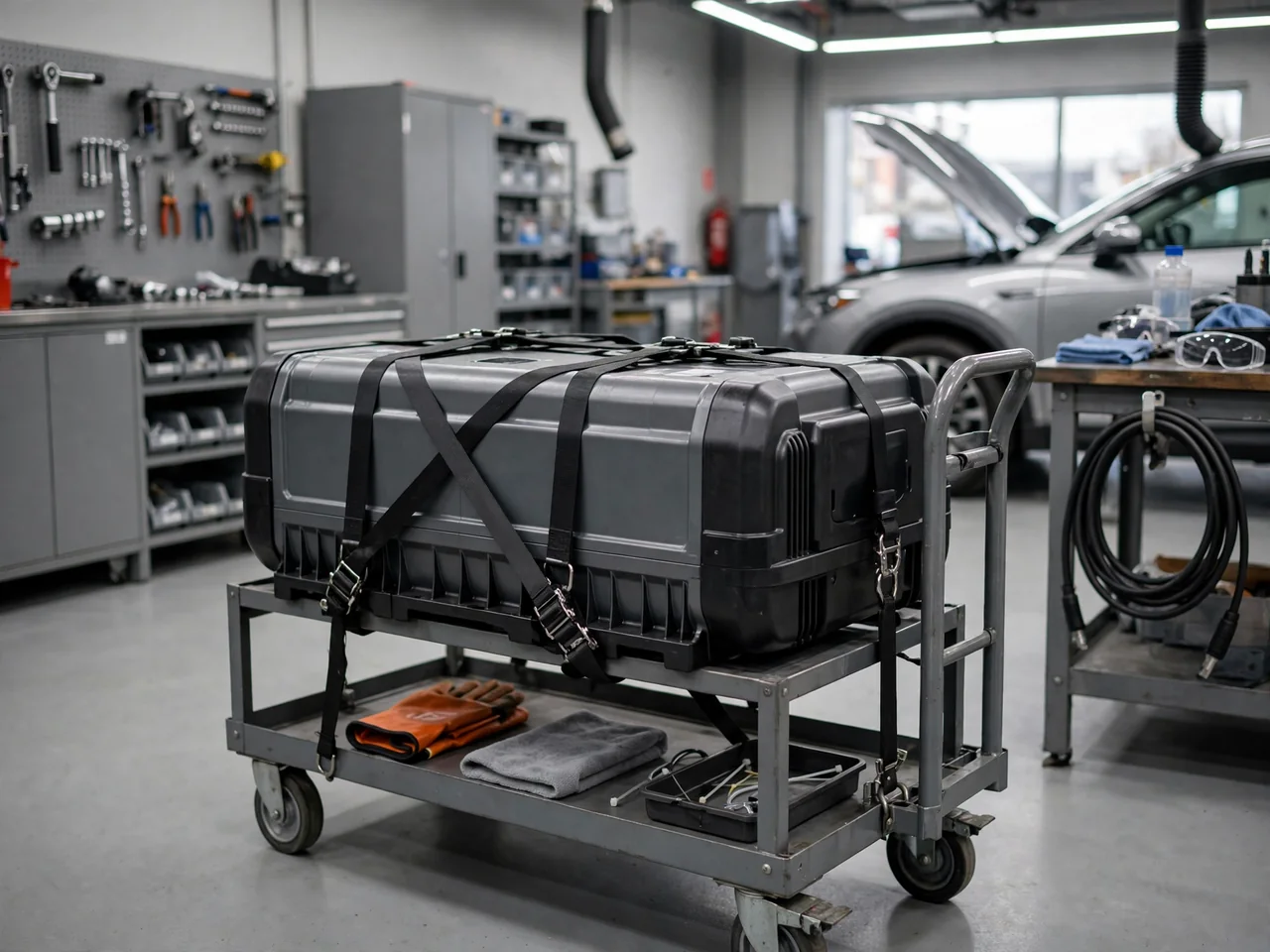
Replacing a hybrid's high-voltage battery pack is one of the larger repairs an owner can face, and the price depends on much more than the pack itself. The installed replacement cost combines the battery, labor, diagnosis and fees, and warranty coverage can shrink or even erase the bill. Knowing what goes into each part helps you compare quotes fairly and avoid paying for a repair the car may not need.
What to Budget for a Hybrid Battery Replacement
For planning purposes, treat a high-voltage battery replacement as a possible several-thousand-dollar expense, not a routine maintenance item. That rough figure can help you decide whether to set money aside, but it is not a quote. Pack designs differ widely between hybrids, and shops price parts and labor differently. The only figure worth acting on is an installed quote written for your specific vehicle after the problem has been properly identified.
Make sure everyone is talking about the same battery. Hybrids also carry a conventional 12-volt auxiliary battery that powers accessories and startup electronics, and its price tells you nothing about the propulsion pack. An advertised battery price may also cover only the pack, leaving installation, diagnosis and fees out of the listed amount. A useful estimate starts with the vehicle's year, model and hybrid powertrain, your location, and a documented diagnosis that explains why replacement is being recommended.
What Determines the Battery Pack Price
Several factors shape what the pack itself costs. Larger capacity usually means more cells or modules. The chemistry, commonly nickel-metal hydride or lithium-ion depending on the design, affects material and manufacturing costs. How the pack is built matters too, including integrated cooling, control electronics and housings. Where the pack comes from adds another layer, because a dealer, an independent rebuilder and a salvage source each carry different overhead, testing and risk. None of these factors translates into a universal dollar amount.
A new replacement pack usually starts in the most predictable condition, but the listing still deserves a close look. Confirm who supplies it, whether it matches your exact vehicle, and which components are included, such as control hardware, cooling ducts or mounting brackets. Remanufactured and refurbished labels vary, so ask which modules were replaced, how the cells were balanced and tested, and what the written coverage says. A used pack has an unknown past, so ask for any records, condition test results and warranty terms before buying.
Why a Battery Price Needs Vehicle and Scope Details
Asking how much a hybrid battery costs rarely gets a meaningful answer on its own. Offers range from complete packs to limited work such as replacing or balancing individual modules. Those are different repairs with different likely results, and a low number may simply reflect a smaller job. A quoted pack must also be meant for your exact vehicle. Packs that look alike can differ in connectors, software requirements or mounting, so never assume one hybrid's battery will fit another.
Supplier availability can change prices quickly, and shipping for a heavy, regulated high-voltage component may be billed separately or included in the listing. Included hardware matters as well, since missing brackets, seals or wiring parts can add cost later. Be cautious with listings that leave out the pack's condition, how long the coverage lasts and what it includes, whether you must return the old battery as a core, or what installation covers. When those details are vague, an attractive price may not be what you end up paying.
Labor and Other Charges in the Installed Total
Labor is often a large share of the installed total, and it depends on where the pack sits in the vehicle. Some designs require removing seats, trim or other parts to reach the battery, and many vehicles call for specific high-voltage safety steps before work begins. The shop's hourly rate is multiplied by the time the job takes, so the same parts can produce very different totals. Instead of relying on a generic estimate, ask each shop how many hours it is billing and why.
Beyond labor, the invoice may include a diagnostic fee, shipping, taxes, and any setup, calibration or post-installation checks the vehicle requires. Many packs also carry a core deposit, a refundable charge meant to get the old battery returned for rebuilding or recycling. Ask whether your old battery qualifies, when it must be returned, who pays to ship it, and what condition earns a full refund. Request an itemized total that lists recycling or handling fees and states whether the diagnostic charge will be credited toward the repair if you go ahead.
Warranty Coverage Can Change the Amount You Owe
Before paying anything, check whether the original battery warranty still applies. Coverage terms depend on the vehicle, the market where it was sold, the date it entered service and its mileage. Gather your purchase paperwork and service records, then confirm eligibility with the manufacturer or dealer using the vehicle identification number (VIN). Coverage also depends on the diagnosis and the exact contract wording. A gradual loss of performance may not qualify the same way a specific fault does, so don't assume a weakening battery will be replaced free.
Confirm how the claim must be approved, whether a deductible applies, what is excluded, and whether labor and diagnosis are covered along with the pack. Starting work before approval can put a claim at risk. If you pay for a replacement yourself, read the new battery's written coverage just as carefully. Check how long it lasts, its mileage limit, whether labor and shipping are covered on future claims, whether it transfers to a new owner, and whether refunds shrink the longer the pack has been in service.
Confirm the Diagnosis Before Approving the Expense
A warning light, falling fuel economy, or a charge-level display that swings unusually can point toward the hybrid battery, but those signs alone do not prove the pack needs replacing. A blocked battery cooling intake, sensor faults, wiring problems, software issues or a weak 12-volt battery can cause similar symptoms. Stored fault codes are clues to interpret, and many are manufacturer-specific, so they must be checked against information for your vehicle. Ask a qualified hybrid technician for testing and a written explanation of the findings behind the proposed repair.
Your job as an owner is documentation, not disassembly. Write down when symptoms appear, record dashboard messages exactly as shown, and bring your service history to the appointment. Never open the pack or touch orange high-voltage cables or parts, because the stored energy can be dangerous even with the car off. Before approving the expense, make sure the final quote confirms the diagnosis and states the replacement pack's condition. It should also show the full installed total, the core refund terms, an expected completion date and the warranty in writing.