How Much Does a Used Car Inspection Cost and How Long Does It Take?
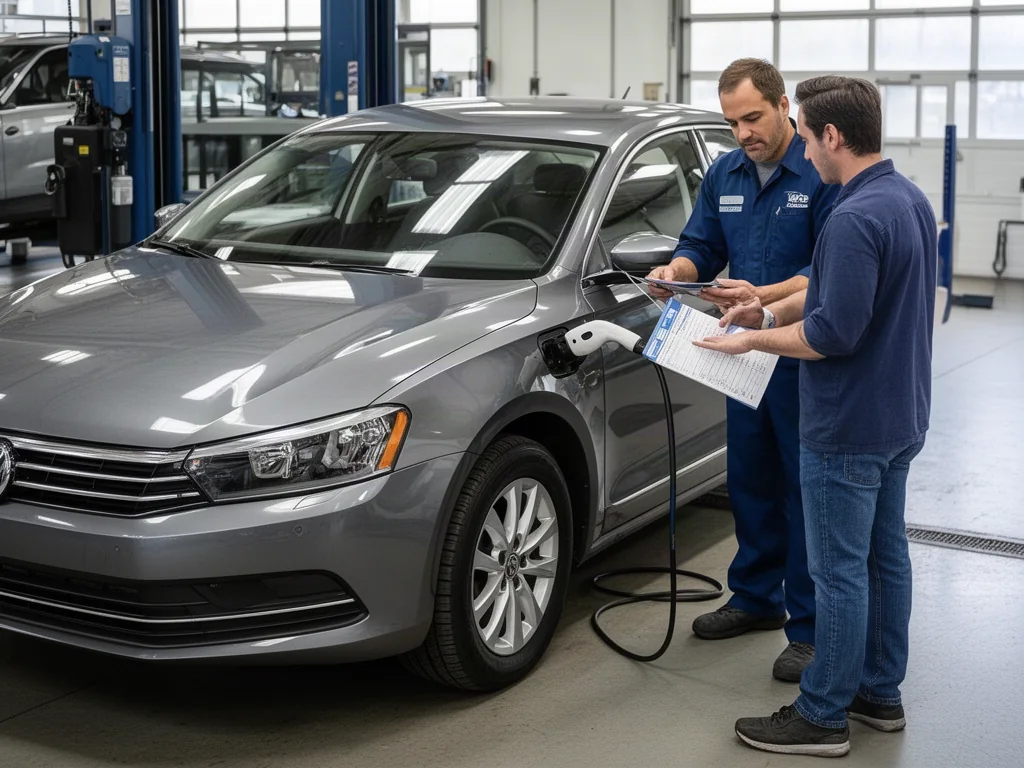
A used car inspection helps you judge condition before you buy, and the cost of used car inspection work usually falls in a modest planning range. Shoppers often ask how much a used car inspection is, how long it takes, and whether the inspection fee is worth paying. Typical price drivers, the mechanic's checklist, and the inspection report all shape that buying decision.
How Much to Budget for a Pre-Purchase Inspection
For a routine pre-purchase inspection in the United States, a useful planning range is roughly one hundred to three hundred dollars. That used car inspection cost is a budget guide, not a current local quote and not a hard ceiling. A used car pre-purchase inspection can sit near the low end of that range for a straightforward vehicle at a moderate labor rate, or climb with complexity and a broader inspection scope.
How much does a used car inspection cost in a given town depends mainly on location and shop labor rate, because the work is mostly technician time. Vehicle complexity matters as well: extra systems, aftermarket equipment, or limited underbody access can add minutes and raise the used car inspection fee. Scope is the other lever. A pre-purchase inspection assesses condition so you can decide whether to buy. A legally required safety or emissions inspection serves a different purpose, carries its own fee, and does not replace an independent buying inspection.
What the Mechanic’s Inspection Fee Covers
A typical mechanic inspection of a used car covers visual and functional checks the shop can complete without taking the vehicle apart. Expect attention to visible leaks, tire wear and remaining tread, brake condition that can be seen at the wheels, suspension play, accessible underbody areas, and basic electrical functions such as lights and warning lamps. Coverage still varies by provider, so confirm the checklist before you book. The used car mechanic inspection cost you pay should match the agreed list of checks, not an assumed full teardown.
Ask whether the quoted service includes a diagnostic scan of stored trouble codes, a road test when the seller and site allow it, and a written inspection report with photos. A scan is evidence to interpret, not proof that a part has failed, and manufacturer-dependent codes still need vehicle-specific confirmation. A road test can reveal noises, shifting behavior, and steering feel that a parked inspection misses. Routine inspection usually does not include disassembly, repairs, or a full diagnosis of every symptom the buyer or seller mentions.
Charges to Confirm Before Booking
The inspection fee can rise when a mobile inspection requires travel time, when a specialist is needed for a less common vehicle, or when the car is parked in a tight lot, a dark garage, or a location with no lift. Limited access can force a more cautious visual review and extra time. Additional diagnostic work, such as deeper testing after a scan or a finding on the road test, is often billed separately. Confirm those possibilities before the appointment so the used car inspection price does not surprise you.
Request an itemized written quote that lists the base inspection, taxes, travel charges, how the report will be delivered, and any cancellation fee. A written quote makes it easier to compare providers and to see what a mechanic inspection of a used car actually includes. Agree on the scope in advance and require your authorization before the provider performs extra chargeable work. That step keeps a simple condition check from turning into an open-ended diagnostic session you did not approve.
How Long a Thorough Used Car Inspection Takes
How long does a used car inspection take in practice? For the inspection itself, a useful planning window is roughly one to two hours. That span covers a thorough walk-around, underbody review where access allows, a diagnostic scan if included, and a road test when permitted. A simpler vehicle in good visible condition may finish toward the shorter end. A higher-mileage example, a crowded engine bay, or a longer checklist can push the work toward two hours without meaning the shop is padding the appointment.
The overall appointment can last longer than the inspection clock. Shop queues, waiting for the seller to arrive, limited road-test routes, and time spent assembling photos into the inspection report all extend the day. Inaccessible areas, such as a vehicle sitting too low for a safe look underneath or a locked compartment, can leave parts of the checklist incomplete. Findings that call for further testing also prevent a clean finish inside the first time estimate, and the mechanic should say what remains unchecked rather than guessing.
When the Inspection Cost Is Worth Budgeting For
Budgeting for a used car inspection is easier to justify when the purchase price is large enough that a missed repair would hurt. An independent condition report can flag immediate repair needs, from worn brakes and leaking fluids to tires that will not last the next season. Those findings help you judge the true financial commitment, not just the asking price. Even a modest used car inspection fee can pay for itself if it reveals work you would otherwise discover after the title changes hands.
Documented findings also give you a basis for action. You can ask the seller to address specific items, use the report in a price discussion, or pause the purchase while you gather a repair estimate. A written report is more useful in those talks than a verbal summary because it records what was seen, what was tested, and what could not be inspected. A clean result still cannot guarantee future reliability, and it cannot rule out hidden damage or intermittent faults that did not appear during the visit.
Arrange the Inspection and Act on the Report
Get the seller's permission first, then book an independent provider who is familiar with the type of vehicle and can complete the agreed checks. Confirm access to a lift or ramps, a safe road-test route, and a quiet place to review warning lights and stored codes. Share known symptoms and any maintenance records you have so the technician can focus on weak points rather than starting from a blank page. A mobile inspection can help when the car cannot easily reach a shop, provided travel charges are already in the quote.
When the inspection report arrives, separate urgent safety findings from ordinary maintenance needs and from issues that remain unresolved. Obtain a repair estimate or further professional testing before you commit, especially if a diagnostic scan pointed to a system that needs confirmation. Ask whether any finding makes driving the vehicle unsafe, and arrange professional guidance or transport instead of taking a questionable car on the highway. The inspection fee is small compared with buying a problem you cannot safely drive home.