How Many Oxygen Sensors Does a Car Have
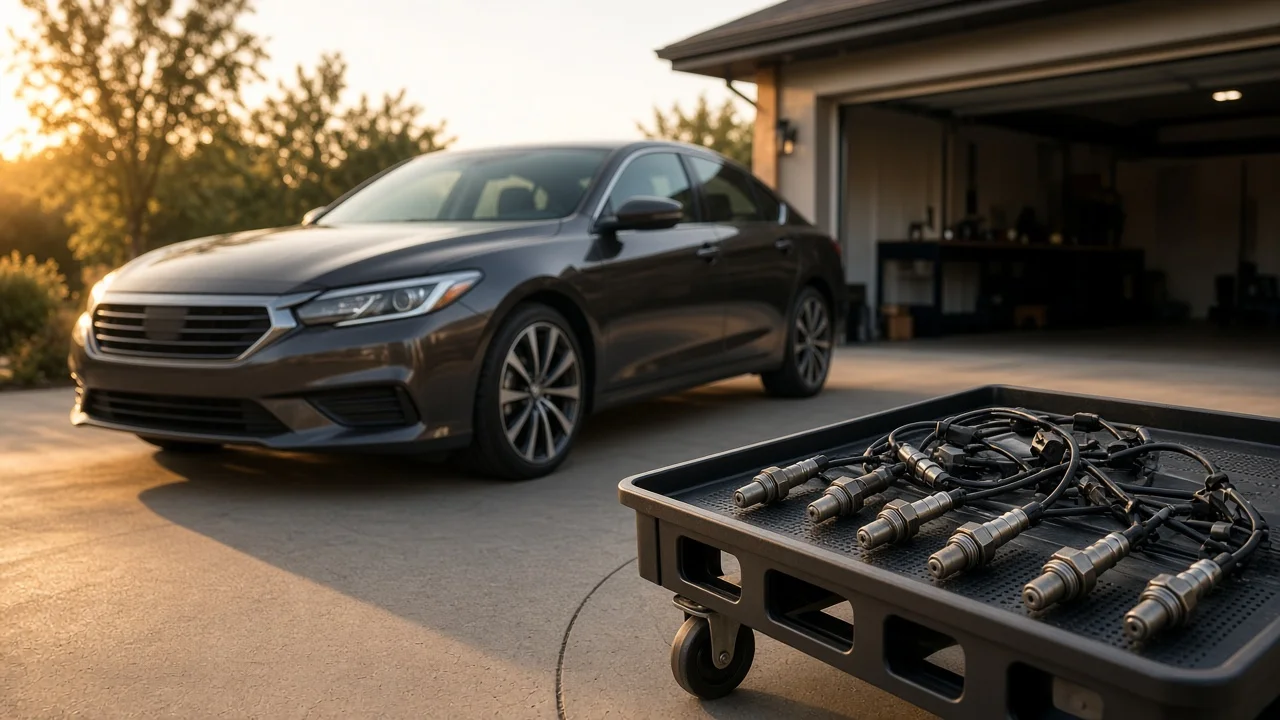
The number of oxygen sensors fitted to a vehicle depends mainly on its exhaust layout and emission-control design. Rather than being a single universal count, the figure changes by configuration. Oxygen sensors measure unburned oxygen in exhaust gas, giving the engine computer feedback needed to maintain the correct air-fuel mixture and monitor the catalytic converter's efficiency. Modern cars typically use upstream and downstream sensors for each converter, so inline engines and V-shaped engines often differ. Understanding this layout helps when diagnosing oxygen sensor codes or planning replacement work.
Essential answer
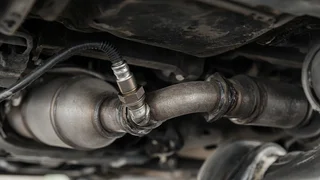
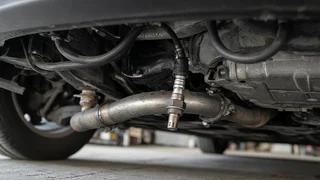
Most modern gasoline cars have between two and four oxygen sensors, but the exact number follows the exhaust architecture. An inline four-cylinder engine with one catalytic converter commonly uses two sensors: an upstream sensor before the converter and a downstream sensor after it. The upstream sensor directly influences fuel trim, while the downstream sensor primarily checks that the catalytic converter is storing and releasing oxygen properly. Vehicles built to meet stricter emissions compliance requirements may add sensors to confirm converter performance across different operating conditions.
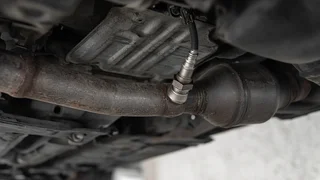
V-6 and V-8 engines often double the count because each cylinder bank may have its own exhaust path. A typical arrangement includes one upstream and one downstream sensor per bank, producing four sensors. Some applications add a sensor in a shared exhaust section or use separate sensors for each close-coupled converter. The mounting points matter for diagnosis: an upstream sensor reads combustion efficiency, while a downstream sensor can reveal a worn converter or an exhaust leak that lets fresh air enter the exhaust stream and distort diagnostic codes.