How Long Does a Tire Rotation Take, Alone or With an Oil Change?
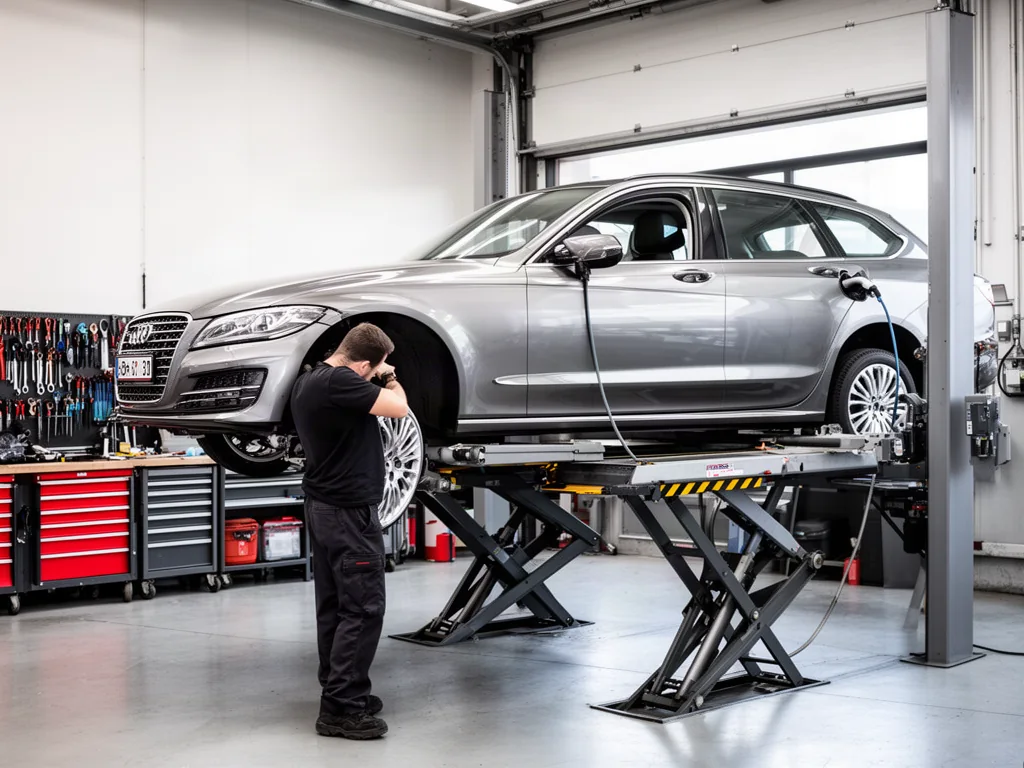
A tire rotation is one of the quicker routine services, but how long you spend depends on more than the work itself. Hands-on service time is shorter than a full visit, and knowing the difference helps you plan. That holds whether you book a rotation alone, pair it with an oil change, or do the job in your own driveway.
Allow About 15–30 Minutes for the Rotation Itself
For planning, a routine shop rotation usually takes about 15 to 30 minutes once a technician actually starts on the car. That range is a general estimate, not a guarantee, so ask the shop you choose to confirm its own expected duration. The vehicle's design, its wheel and tire setup, and the equipment in that bay can all move the figure a little either way. That is why a quick question when you book is more reliable than any rule of thumb.
The job involves more than moving wheels around. A technician should first confirm that the tires can be rotated and which pattern the vehicle calls for. Then they move the eligible wheels, tighten the fasteners to the specified torque, and set the tire pressure for each new position. Those minutes are only the hands-on part. Check-in, waiting for an open bay, and paperwork when the car is released all fall outside that window and often take longer than the rotation itself.
Budget About 30–60 Minutes in the Bay for an Oil Change and Rotation
When an oil change and a rotation are done together, plan on about 30 to 60 minutes after the vehicle enters the bay. Treat that as a guide for your schedule, not a promised completion time. Adding a standalone rotation estimate to a standalone oil change estimate can give the wrong total. The two jobs share setup, and some of the work can overlap while the car is already raised and in position.
Because of that overlap, the shop is the best source for the combined time. When you ask, find out what the quote actually covers. Some estimates include a multipoint inspection, fluid-level checks, and resetting the oil-service reminder, while others cover only the core tasks. Final wheel checks also take a few minutes and belong in an honest estimate of bay time. These include confirming fastener torque and tire pressures after the car is lowered.
Account for Check-In, Queues, and Vehicle Release
An appointment time often marks when you are expected to arrive, not when a technician picks up your keys. A service advisor usually needs to confirm your contact details, the work you want, and any concerns before the car is written up and put in line. If earlier jobs ran long or a walk-in customer needed attention, your car may sit in the lot for a while. A short service can still become a longer visit than you expected.
Open bays, the number of technicians working that day, and the length of the shop's work queue all affect how long the whole visit takes. Busy periods can stretch waits noticeably. The practical step is to ask for an expected ready time instead of a service duration. Also ask whether the shop suggests waiting on-site or arranging a ride. Those answers tell you far more about your day than the labor estimate alone.
Understand What Can Delay or Prevent a Rotation
Locking lug nuts are a common cause of delay. If the wheel-lock key is missing, the technician cannot remove that wheel the normal way. The job may pause until the key turns up or the shop talks with you about another approach. Rounded or damaged fasteners can also need extra care, as can wheels that stick to the hub after a long time without being removed. That added attention takes time the original estimate did not include.
Some vehicles cannot use a simple rotation. Directional tires, different front and rear sizes, or other staggered setups may limit which positions are allowed or rule out rotation entirely. The vehicle's specified guidance and its actual tire setup need to be checked first. A technician may also notice a bulge, a cut, exposed cord, or uneven wear. A finding like that calls for a professional assessment and a conversation with you. It is not grounds to assume a cause or to add repairs without your approval.
Set Aside Time for a Safe At-Home Rotation
An owner with suitable equipment and some experience might allow roughly 45 to 90 minutes for a careful rotation at home, including setup and cleanup. That is a flexible planning allowance, not a target to beat. First-timers usually need longer, and nobody should rush a job that involves supporting a vehicle's weight. A relaxed time window leaves room to double-check each step instead of cutting corners when something takes longer than expected.
Much of the time goes into preparation and checking your work. Gathering the right tools, looking up the approved rotation pattern and the specified wheel fastener torque in the owner's manual, and checking cold tire pressures all add minutes before and after the wheels move. If you are unsure about your equipment, safe support points, or what the vehicle requires, have a shop do it. Shops have lifts and torque tools suited to the job and can confirm the vehicle's requirements.
Confirm the Scope Before Booking and Completion Before Leaving
When you ask for a time estimate, say clearly whether you want a rotation only or a combined oil change and rotation. The two requests can lead to different estimates and bay assignments, and vague wording invites a mix-up. Bring any required wheel-lock key and leave it where the advisor can find it. At check-in, mention tire damage, vibration, pulling, or recent wheel or tire work. That way the technician knows what to look at before the wheels come off.
Before you drive away, confirm that the work you asked for was actually done, and review the invoice or service notes. Ask whether any tire findings were recorded, such as uneven wear or damage, and whether any work was put off or recommended for later. A fast visit does not prove poor work, and a long one does not guarantee a thorough job. What matters is that the service you requested was done and any concerns were clearly explained.