How Long Do Sway Bar Bushings Last?
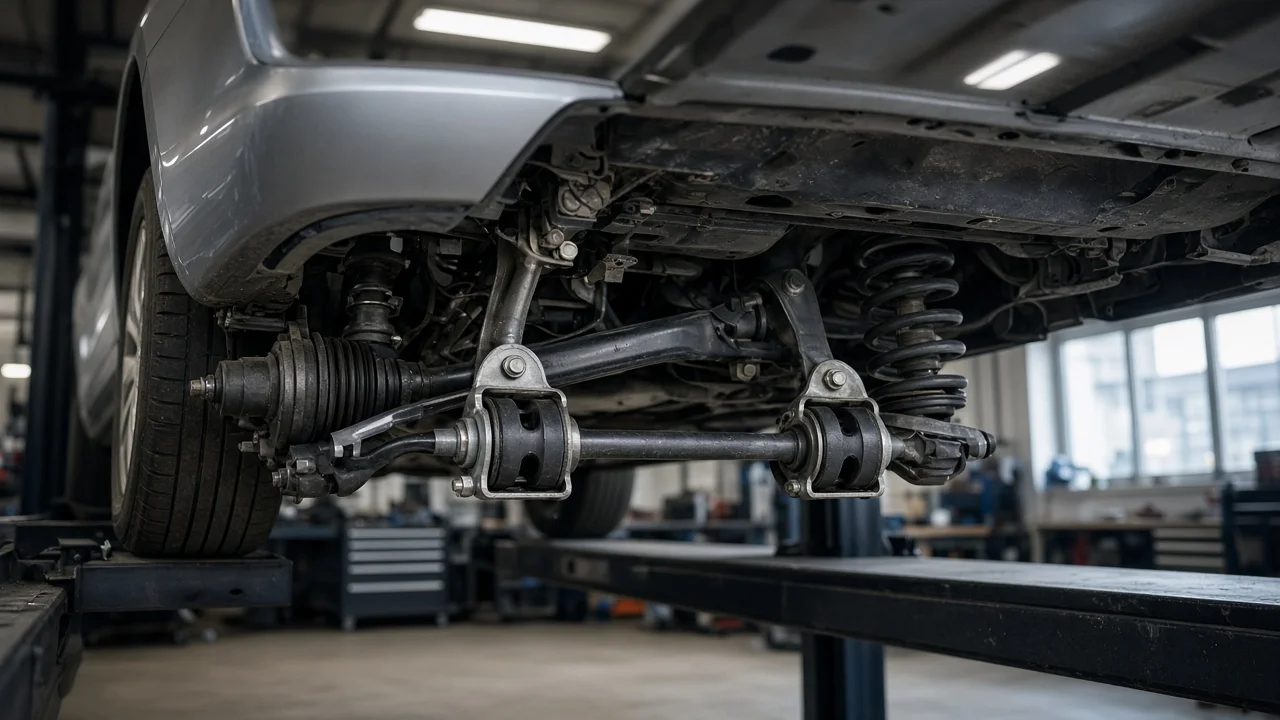
Sway bar bushings are small rubber or polyurethane parts, but they affect how quietly and steadily a vehicle corners. Owners usually start asking how long they last when a clunk or squeak shows up over bumps. No single mileage applies to every vehicle. Lifespan depends on the vehicle configuration, the bushing material, the climate and how the vehicle is driven. This guide explains what wears sway bar bushings out, how to judge their condition and when replacement makes sense.
The Short Answer: Condition Matters More Than Mileage
Sway bar bushings do not have a universal replacement interval. On many vehicles they last for years, but some wear out early and others outlive much of the suspension around them. They are generally treated as an inspection item rather than a part with a scheduled replacement. In practice, they last until an inspection shows cracking, hardening or looseness, or until a noise is traced back to them.
If your owner's manual or maintenance schedule lists suspension inspections, that is usually when the bushings get checked. If the schedule does not mention them, their condition is judged during routine service, during tire rotations or whenever a new suspension noise appears. Age matters as well as mileage. Rubber degrades over time even on a vehicle that is rarely driven, so a low-mileage older vehicle can still have tired bushings.
How Sway Bar Bushings Work and Why They Wear
The sway bar, also called an anti-roll bar or stabilizer bar, is a steel bar that links the left and right sides of the suspension. When the vehicle leans in a turn, the bar twists and resists body roll. Its center section is usually held to the frame or subframe by two brackets, with a bushing inside each bracket. The ends of the bar connect to the suspension through end links, which have their own bushings or ball joints.
The bushing grips the bar while letting it rotate slightly as the suspension moves. Every bump, turn and change of load flexes or rotates the bar inside it. Over time, that constant movement wears the bushing down, and heat, cold, ozone, road grime and moisture add to the damage. Rubber hardens, cracks, compresses or loses its grip. Once the bushing no longer holds the bar firmly, the bar can shift in the bracket. That shifting causes clunking, rattling or squeaking, and the bar becomes less effective at controlling body roll.
What Changes How Long They Last
Bushing material is one of the biggest variables. Rubber bushings are quiet and flexible, but they are more vulnerable to aging, oil contamination and cracking. Polyurethane bushings are common aftermarket upgrades. They generally resist deformation and chemical damage better than rubber, but they transmit more noise and vibration into the cabin and can squeak if they are not lubricated as their manufacturer instructs. Some designs bond the bushing to the bar, which can change how replacement is done.
Operating conditions matter just as much. Rough or unpaved roads, frequent potholes, heavy loads, towing and aggressive cornering all add to the work the bushings do. Climate is another factor: road salt, extreme heat and repeated freezing can speed up deterioration. An engine oil or power steering fluid leak that drips onto the bushings can soften rubber quickly. Lowered or lifted suspension, larger wheels or an aftermarket sway bar may load the bushings differently than the original setup was designed for.
Service history also plays a role. Bushings that were installed without following the manufacturer specifications may wear unevenly or fail sooner than expected. The same is true when they work alongside worn end links or other tired suspension parts.
Signs to Watch For and What You Can Do
The most common symptoms of worn sway bar bushings are: • A clunk or knock from the front or rear when driving over bumps. • A squeak or creak at low speed or in cold weather. • A vehicle that feels looser or leans more in corners than it used to. These symptoms are not unique to bushings. Worn end links, ball joints, strut mounts and control arm bushings can make similar noises, so a noise alone does not confirm the cause.
A visual inspection can reveal a lot. Look at the bushings where the bar meets the brackets for cracks, missing pieces, an egg-shaped opening, signs the bar has shifted sideways, or rubber soaked with oil. Check the end links at the same time, since they often wear alongside the bushings. If you need to raise the vehicle, park it on a level surface and support it on proper jack stands. Never work under a vehicle held up only by a jack. Some wear shows up most clearly with the suspension loaded, and a shop can check for movement that way.
If the inspection confirms worn bushings, replace them as a pair on the same axle so both sides grip the bar evenly. Use parts that match your exact vehicle configuration, because bar diameter and bracket design vary between models, trims and suspension packages. Follow the manufacturer specifications for fastener torque. Some designs also call for tightening with the vehicle at ride height, and polyurethane bushings may need specific lubrication. Record the replacement in your service history so future wear is easier to judge.
Limitations and When to Get Professional Help
Because sway bar bushing life depends on so many factors, no general guide can predict when the parts on your vehicle will need attention. The most reliable sources are your owner's manual, the manufacturer's service information for your model and a hands-on inspection. If you hear a new suspension noise and cannot confirm where it comes from, have a technician diagnose it rather than replacing parts by guesswork.
Worn bushings are usually not an emergency, but they should not be ignored. Reduced roll control can make the vehicle feel less stable in sudden maneuvers, and a loose bar may speed up wear on the end links and brackets. Get professional help promptly if a clunk comes with steering looseness, pulling, vibration or any change in how the brakes feel. Those signs can point to more serious suspension or steering problems.