How Long Do Hybrid Batteries Last? Years, Miles and Signs of Aging
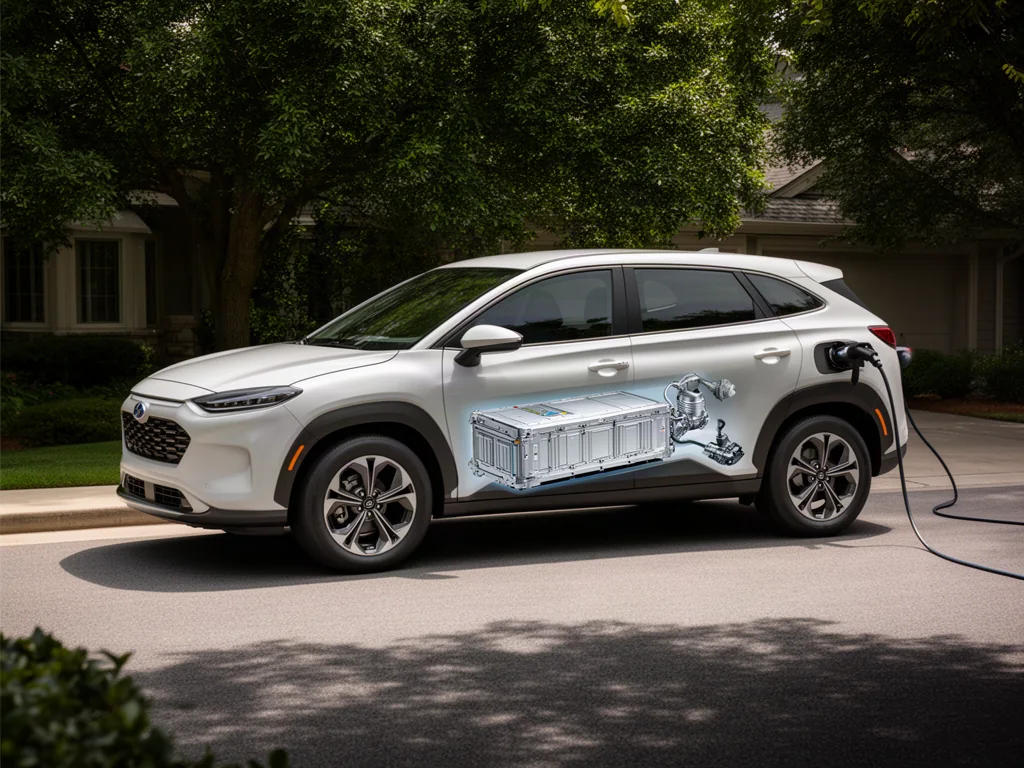
Most hybrid owners eventually wonder how long the high-voltage battery will keep doing its job. The honest answer is a range rather than a date, because heat, age, use, and cooling all shape how a pack ages. Knowing what the typical numbers mean, which symptoms deserve attention, and how warranty coverage works helps you plan ahead without guessing or replacing a healthy battery too soon.
How Long a Hybrid Battery Typically Lasts
The battery in question here is the high-voltage traction battery. It stores energy from regenerative braking and the engine, then helps drive the wheels. It is separate from the small 12-volt battery that powers accessories and wakes up the car's computers. When people ask about hybrid battery lifespan, they usually mean how many years and miles this traction pack keeps delivering enough power and usable capacity for the hybrid system to work the way it was designed to.
As a broad planning figure, many packs are expected to last roughly 8 to 15 years and 100,000 to 200,000 miles, and some stay serviceable well beyond that. These numbers are not an expiration date, and they guarantee nothing for any particular car. It also helps to separate lifespan from charge duration. A conventional hybrid charges and discharges its battery constantly during a drive, so how long a charge lasts on a trip says little about how many years the pack will serve.
What Battery Age and Mileage Can Tell You
Age and mileage each tell only part of the story. Calendar aging means the battery's chemistry slowly changes over time, so a low-mileage car that sat in a hot garage for years doesn't have a fresh battery. Mileage shows how much the pack has worked. It can't show whether the car spent summers parked in intense heat, sat unused for long stretches, or ran with a clogged cooling path. Two cars with identical odometer readings can have very different battery health.
Aging also doesn't always look the same. Usable capacity often fades gradually, so the system leans on the engine more and works the battery within a narrower state-of-charge window. A failed cell connection, sensor, or other component, by contrast, can take a pack out of service with little warning. Age, mileage, operating history, and a professional battery health assessment together set reasonable expectations. None of them can calculate an exact remaining lifespan for an individual pack.
Conditions and Habits That Affect Battery Aging
Heat is one of the main things that can speed up battery aging, especially when it is sustained. Depending on the vehicle, the pack may be cooled by cabin air pulled through a fan, by a dedicated liquid circuit, or by some other arrangement. When airflow or coolant flow is restricted, the battery can run warmer than intended in everyday driving. Owners can help by keeping any accessible battery intake vents clear of cargo, pet hair, and debris, and by following the manual for any permitted vent cleaning or filter care.
Long periods without driving deserve attention too. Storage guidance varies by vehicle, so check the owner's manual for how to prepare a hybrid that will sit for weeks rather than following a universal rule about driving it every few days. In normal operation, the hybrid system keeps the battery's state of charge within the range it considers healthy. Trying to deliberately drain the pack or force repeated full charges works against that management and is unlikely to extend its life.
Signs of Aging That Need a Proper Diagnosis
An aging traction battery can leave clues. Fuel economy may drop and stay lower over several weeks of similar driving. The charge gauge may swing between low and high unusually fast. The battery cooling fan may run more often or more loudly, or the dashboard may show a hybrid-system warning. Each of these can point toward reduced capacity or uneven cell behavior, but none of them on its own proves the battery is at the end of its life.
Many other things can cause similar symptoms. Cold weather, short trips, hilly routes, underinflated tires, heavy use of heating or air conditioning, and unrelated engine or brake faults can all change fuel economy and charging behavior. Note when the symptoms appear and write down the exact warning message. This helps a technician treat stored fault codes as evidence to interpret, not as a verdict. Follow the dashboard and owner's manual guidance for urgent warnings, and leave high-voltage enclosures, cables, and electrical testing to qualified technicians.
What Hybrid Battery Warranty Coverage Means
Hybrid battery warranty coverage isn't one universal promise. It depends on the vehicle, its model year, where it was first sold or registered, and the specific terms that apply. The warranty booklet is where you confirm the time and mileage limits, when coverage began, whether it transfers to later owners, and what is excluded. Coverage may run from the vehicle's original in-service date rather than the date you bought it, which matters a lot to second owners of a used hybrid.
Read carefully whether the hybrid system warranty covers manufacturing defects, capacity loss, or both. If it covers capacity loss, check whether the battery must fall below a defined threshold to qualify. When coverage expires, that doesn't mean the battery is about to fail, and it doesn't create a replacement deadline. If you suspect a covered fault, get a documented diagnosis before coverage ends, including the warning details and test results. That way a claim rests on evidence rather than on the battery's age.
When Hybrid Battery Replacement Is Actually Needed
A traction battery generally has no routine replacement interval the way fluids and filters do. Reaching a certain age or mileage doesn't make replacement necessary by itself. Some owners keep a hybrid for many years on its original pack without any battery work, while others need a replacement because capacity deteriorated or a component failed. So the practical question isn't how often replacement happens on a schedule. It's whether this particular battery, in this particular car, has a diagnosed problem.
Before approving a replacement, confirm that the battery is actually causing the symptoms and check whether warranty coverage applies. A useful written assessment explains what failed and how that was determined, the proposed fix, whether the replacement pack suits the vehicle, and the parts and labor warranty on the work. Be wary of any quote that promises a specific future lifespan. A replacement battery will face the same heat, age, and usage factors as the original.