How Long Do EV Batteries Last? Years, Miles and Battery Health
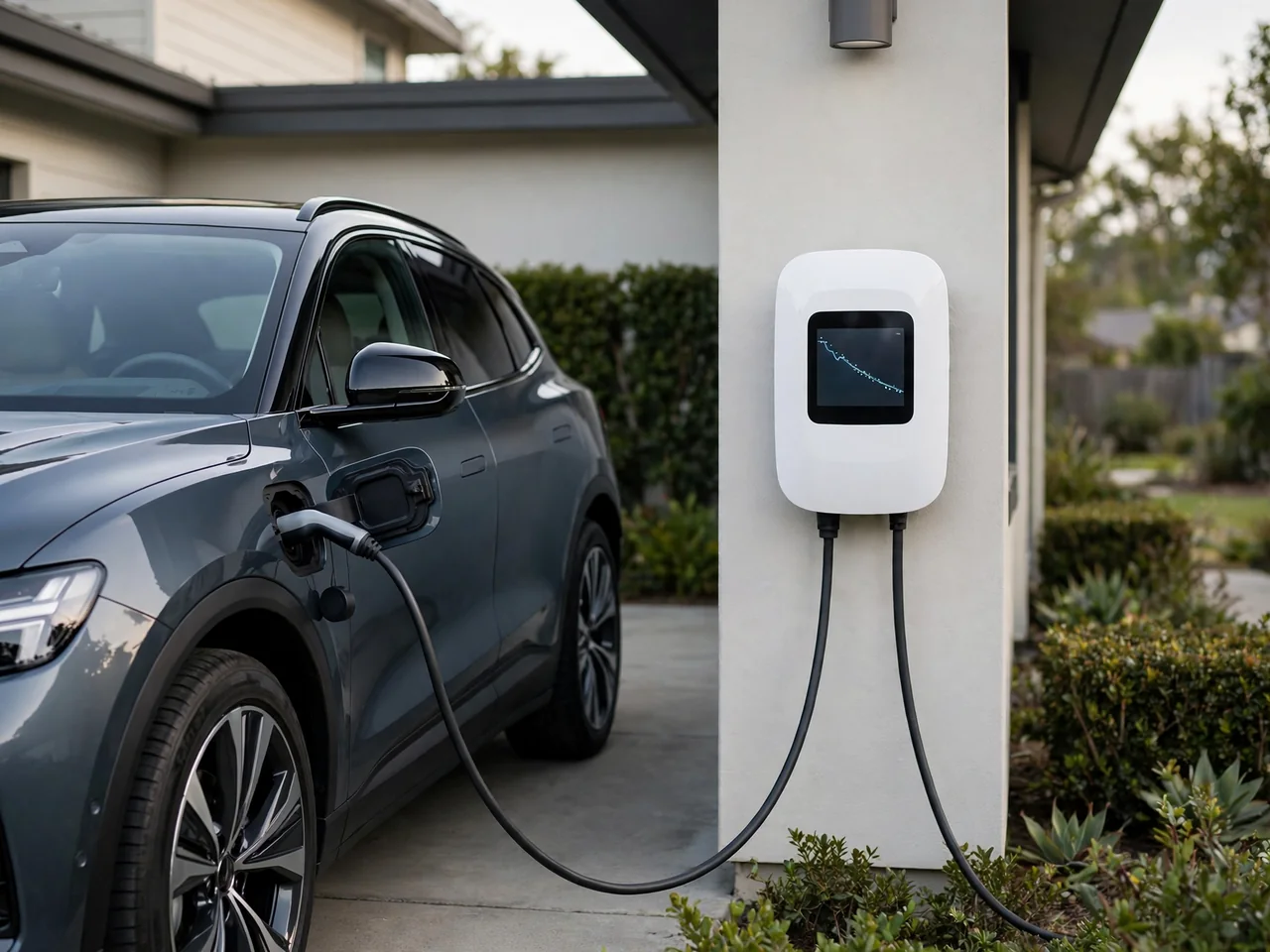
How long does an EV battery last? For most owners, the traction battery is built to outlast many years of ordinary driving, and real-world data so far points to gradual capacity loss rather than sudden failure. EV battery life depends on age, mileage, heat, charging habits and design. Here is what to expect in years and miles, how range changes over time, and when replacement is actually needed.
EV Battery Lifespan in Years: What Owners Can Expect
When people ask about EV battery lifespan, they usually mean the high-voltage traction battery that powers the motor, not the small 12-volt battery that runs accessories. Its lifespan is the number of years it provides useful service, meaning enough usable battery capacity for the owner's needs. Many current packs are projected to last well beyond a decade, often 12 to 15 years or more in moderate climates. Those figures are projections, because relatively few modern packs have reached that age in service.
Age alone cannot tell you how long an EV battery will last. Two eight-year-old cars can differ widely depending on climate, charging patterns, thermal management, chemistry and how much range each driver needs. A commuter with a short daily round trip may happily keep using a pack another owner considers worn out. The battery warranty is also easy to misread: its years and miles define coverage for defects or excessive capacity loss, not a scheduled replacement date or a promise of total lifespan.
What Lifespan Studies and Failure Data Actually Show
The most useful battery health research comes from large real-world datasets rather than anecdotes. Telematics analyses covering thousands of vehicles from several makes, mostly under ten years old, typically estimate state of health from onboard battery data collected over several years. Their broad finding is gradual, modest annual capacity loss, with most packs staying within warranty thresholds. Laboratory work, including a widely discussed Stanford study on driving patterns, also suggests realistic stop-and-go use may age cells more gently than constant test cycling.
An average annual loss figure does not establish average total lifespan, and extending a straight line indefinitely misleads, because degradation is often faster early, then slows, and can accelerate late in life. Capacity degradation, battery faults and recorded pack replacements are also different things. Replacement counts alone do not produce an EV battery failure rate; any rate needs a defined sample and time window. Young fleets, missing service records and the many vehicles still operating all limit how firmly conclusions can be drawn.
How Mileage and Charge Cycles Affect Useful Battery Life
How many miles does an EV battery last? There is no universal mileage expiration point. Lifetime battery mileage depends on how efficiently the vehicle uses energy, how much usable capacity the pack offers, operating temperatures and calendar aging, which continues even while the car sits parked. A large pack in an efficient car cycles less per mile than a small pack in a heavy one, which is why many estimates of useful life reach into the hundreds of thousands of miles.
Cycle life is best understood through equivalent full cycles, the cumulative energy throughput equal to one complete discharge, not each plug-in session. Two half-charges count roughly as one cycle. A cycle-life rating means little without its test temperature, charge rates, depth of discharge and the capacity-retention threshold used to define end of life. Claims about the highest-mileage EV with its original battery need service records confirming the pack was never replaced, and one exceptional example does not represent a typical outcome.
Range Retention and Estimating Remaining Battery Health
Capacity retention is the share of original usable capacity that remains, and any figure should state its baseline, whether the new-vehicle rating or a first measured value. Under consistent conditions, retained capacity maps roughly onto range: a pack holding most of its original capacity delivers roughly that share of its original range. Real driving blurs the relationship, because temperature, highway speed, tire type and climate-control demand can shift range more on a given day than years of aging.
The dashboard range figure is an estimate built partly on recent driving, so a cold week or a mountain trip can lower it without any permanent degradation. Tracking range over time therefore requires comparing similar conditions. State-of-health readings and life estimation tools help, but they carry measurement uncertainty, can vary between charges and depend on the battery management system's calibration. Degradation may also be uneven over time, so a single reading is a snapshot, not a reliable forecast.
Conditions and Charging Habits That Influence Longevity
Heat is one of the strongest drivers of calendar aging. Sustained high temperatures and long periods parked at a high state of charge accelerate chemical changes that permanently reduce capacity. Charging power also interacts with battery temperature and frequency: occasional fast charging with effective thermal management is generally well tolerated, while frequent high-power sessions on a hot or poorly conditioned pack add more stress. There is no fixed amount of damage per fast-charging session, because conditions differ each time.
Follow the vehicle's charging and storage guidance, since suitable daily charge targets depend on battery chemistry and manufacturer instructions; some packs are designed for regular full charges, others for lower daily limits. Interest in the longest-lasting EV battery is understandable, but no single brand is a universal winner. Longevity reflects chemistry, active cooling and heating, software buffers and how the car is used, and long-term evidence for newer designs is still accumulating.
Safe Ways to Assess an Unexpected Loss of Range
If range seems to drop unexpectedly, start with safe observations. Note range and energy consumption on repeated routes in similar weather, record charging behavior such as sessions stopping early or slower-than-usual speeds, and write down any dashboard warnings exactly as displayed. Cold weather, routes with more highway driving, low tire pressure and cabin heating can all reduce observed range noticeably without indicating permanent capacity loss, so rule those out before assuming the battery has degraded.
Persistent unexplained range loss, repeated charging interruptions or battery-system warnings justify professional diagnostics. A qualified technician can read stored fault codes, cell-level data and state of health, though a code is evidence to interpret alongside testing, not proof that a specific part has failed. Keep your own assessment noninvasive. Owners should never open the battery enclosure, probe high-voltage cables or connectors, or attempt pack repairs, because stored energy can cause severe injury even with the car off.
When an EV Battery Actually Needs Replacement
How often should you replace an EV battery? Usually not on any schedule. Traction batteries generally have no routine replacement interval like oil or brake pads; replacement is driven by condition, confirmed faults or range that no longer meets the owner's needs. Gradual capacity loss often remains compatible with everyday driving, and no single retention percentage is a universal end-of-life point. A pack that has lost noticeable range may still serve a local commuter well for years.
When a problem appears, professional diagnosis and the vehicle's specific warranty terms determine the next step. Some faults may be addressed by repairing a component or module, while others lead to pack replacement, but repair options and part compatibility vary by vehicle and should not be assumed. For owners weighing battery life before replacement, the key timing point is that most drivers are unlikely to need a new pack for many years, and many never will during their ownership.