How Electronic Parking Brakes Work, How to Release Them, and Brake Service
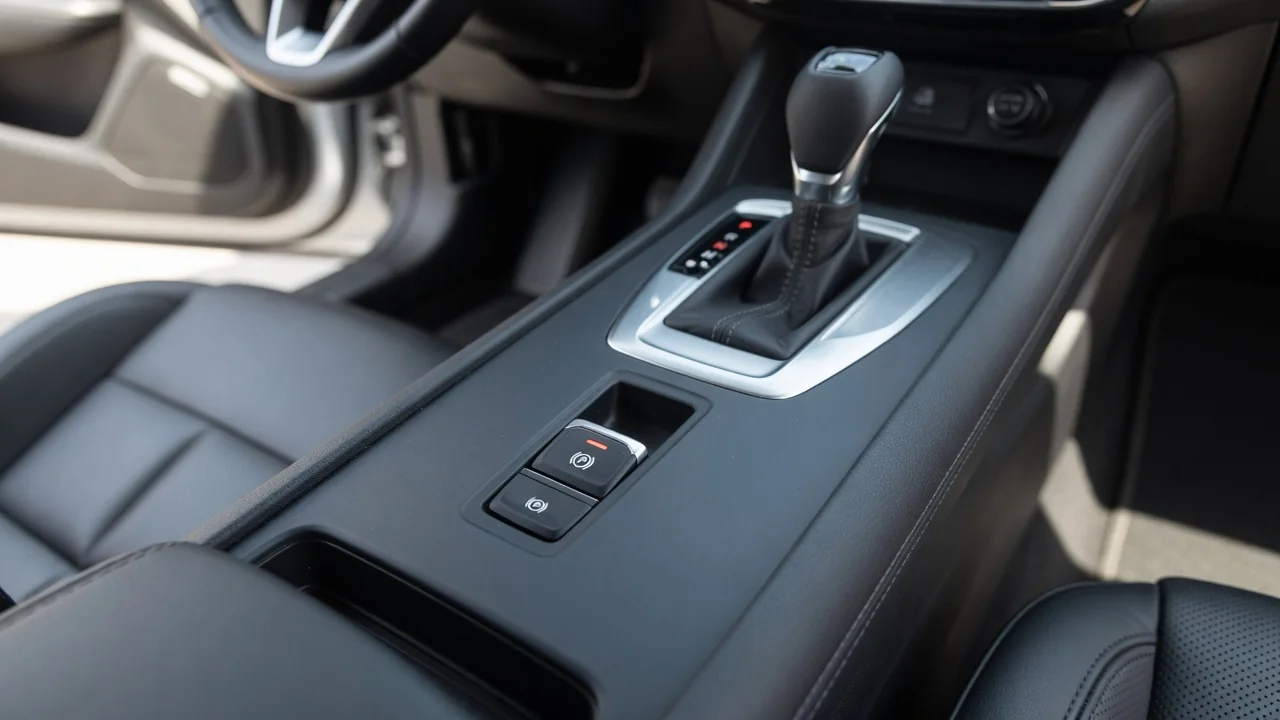
Drivers asking what is electronic parking brake technology usually meet it as a small switch where a hand lever used to be. This guide explains how the electronic parking brake works, how to use and release it in normal and unusual situations, what it does while driving, and why rear brake service on these vehicles calls for extra steps.
What an Electronic Parking Brake Is and How It Differs From a Lever or Pedal
An electronic parking brake, often shortened to EPB or called an electric parking brake, is a switch-operated system that replaces the traditional hand lever or foot pedal and the long cable the driver once pulled by muscle. Its core job is unchanged: it holds a parked vehicle stationary, usually by clamping the rear wheels. Instead of the driver supplying the force, electric motors do the work on command, which frees up cabin space and lets the vehicle's electronics coordinate the brake with other systems.
Most owners see a small parking brake switch on the center console or dashboard, commonly marked with a letter P inside a circle, plus a matching indicator in the instrument cluster that lights when the brake is applied. Some switches are pulled up to apply and pushed down to release, while others work as a simple button. Layouts, labels and behavior differ between manufacturers, so the owner's manual remains the authority on how any specific vehicle's system is meant to operate.
How the System Works: Switch, Control Module and Rear Actuators
Understanding how the electronic parking brake works starts with the signal path. Operating the switch sends a request to an electronic brake control module, which then commands motorized actuators. Two broad designs exist. In one, a caliper-mounted actuator on each rear brake caliper uses a small parking brake motor and gear train to drive the piston and clamp the pads against the rotor. In the other, a single central motor pulls conventional cables that run to the rear brakes, much as a lever once did.
The module does not act on the switch alone. It may weigh vehicle speed, ignition state, gear position and pedal status before deciding to apply or release, which is why the same switch press can produce different results in different situations. Because motors do the clamping, the system needs adequate battery voltage, and a weak battery can prevent operation. A parking brake warning light can signal a detected fault, low voltage or an incomplete apply, but the exact logic, self-checks and messages are manufacturer-specific and should be confirmed in the vehicle's documentation.
Using the Electronic Parking Brake Day to Day, Including Auto Hold
Learning how to use an electronic parking brake day to day is simple: once stopped, pull or press the switch and confirm that the indicator light comes on before leaving the vehicle. A brief whirring sound from the rear is normal as the motors tighten. Some vehicles apply the brake automatically when shifted into park or switched off, and release it automatically when driving away. These automatic behaviors can often be adjusted through the vehicle settings menu, so it is worth reviewing what is enabled.
An electronic parking brake with auto hold adds a separate convenience function. Auto hold, sometimes labeled brake hold, keeps the vehicle stationary at a traffic light or in stop-and-go traffic after the driver lifts off the brake pedal, then lets go when the accelerator is pressed. It generally uses hydraulic brake pressure rather than the parking actuators, and it usually has to be switched on by the driver. The manual also explains how a given vehicle handles steep slopes, conveyor car washes and other cases where automatic application is unwanted.
How to Release or Turn Off the Electronic Parking Brake Normally
For anyone wondering how to release, disengage or turn off an electronic parking brake, the normal method is to operate the switch with certain conditions met. Many vehicles want the ignition on or the vehicle in ready mode and the brake pedal pressed, and some also look for a fastened seat belt, though requirements vary. Vehicles with drive-away release let go on their own when a gear is selected and the accelerator is pressed. That dependence on ignition power is why the brake typically will not release without a key.
A dead battery produces the same result, since the motors have nothing to run on, so charging or jump-starting the battery as the manual describes is the usual first step. Permanently disabling or deactivating the system is not a normal owner option; any change to automatic behavior should come from the vehicle's menus or documentation. Professional help is warranted when warning lights stay on, when the actuators grind or click without releasing, or when a rear brake drags, runs hot or resists rolling after the indicator has gone out.
Manual and Emergency Release: What Owners Can and Should Not Do
How to manually release an electronic parking brake depends entirely on the vehicle. Some models have a documented manual or emergency release procedure, typically intended for towing or a dead battery, and it may involve a specific tool or access point. Others provide no owner-level method at all. The procedure must come from that vehicle's manual, because the designs differ too much for a general technique to be safe. Prying, forcing or cutting cables or actuators can damage parts and leave the vehicle unable to hold itself afterward.
Any release attempt removes the parking hold, so the vehicle needs to be secured first with wheel chocks and the transmission in park, particularly on a grade. If the documented method does not work, or none exists, attempting to manually disengage the brake by improvisation tends to turn an inconvenience into a repair bill. Roadside assistance is the better route, and a vehicle with locked rear wheels should be moved on a flatbed or with wheel dollies rather than dragged, which can harm the tires, brakes and driveline.
Using the Electronic Parking Brake While Driving or in an Emergency
Can you use the electronic parking brake while driving? On many vehicles, yes, as an emergency braking function. Pulling or pressing and holding the switch while moving typically tells the module to slow the vehicle in a controlled way, often using the hydraulic system and stability electronics, instead of abruptly locking the rear wheels the way a yanked hand lever could. Drivers may notice a loud chime, warning lights and firm deceleration, and braking commonly stops when the switch is let go, though behavior varies by vehicle.
This function is a last resort for a failed service brake, not an ordinary way to slow down. Using it routinely stresses components and can surprise following traffic. The most useful preparation for using the electronic parking brake in an emergency is reading the manual's description beforehand, so the driver knows whether the switch must be held continuously and what warnings to expect. Experimenting on public roads is a poor substitute, since the vehicle may slow harder than anticipated.
Rear Brake Service on Vehicles With an Electronic Parking Brake
Changing rear brakes with an electronic parking brake differs from a conventional job. On caliper-motor designs, the actuator spindle sits behind the piston, so it often has to be retracted electrically before the piston can be compressed to fit new pads. That is done through a service mode, also called maintenance mode, entered with a scan tool or, on some vehicles, a documented sequence of switch and ignition steps. The correct way to release the brake for pad replacement is model-specific and should be taken from service information.
Forcing the piston back with a clamp while the actuator is still extended can damage the motor, gears or the rear brake caliper itself. Methods for retracting the brake without a scan tool or other tool should only be used when the manufacturer documents them for that vehicle. After service, the system typically must be returned to normal mode and may need calibration so it learns the new pad thickness. Warning lights afterward call for professional diagnosis, and owners without the vehicle-specific procedure or proper equipment are better served by a qualified technician.