How Electric Cars Heat the Cabin in Winter
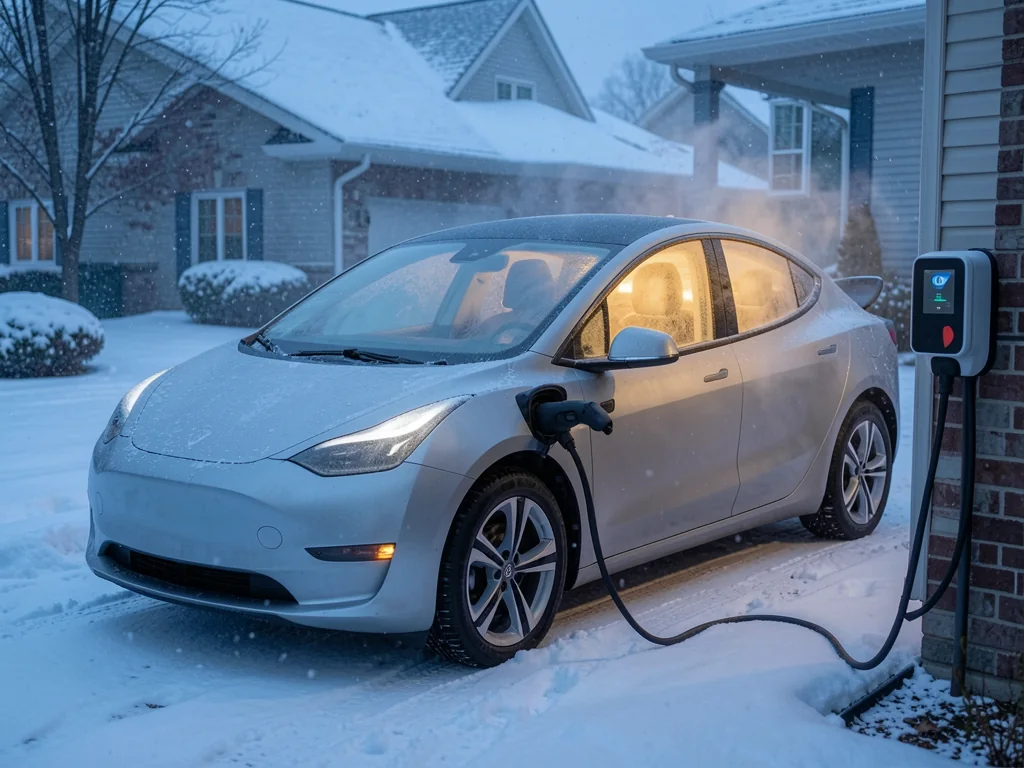
Electric car heating in winter is unlike a gasoline vehicle because there is very little waste heat to capture. The cabin must be warmed deliberately using energy from the high-voltage battery, which directly affects driving range. Understanding how do you heat an electric car in winter means looking at the heating hardware, its power draw, and the strategies that keep you warm without sacrificing too many miles.
Why an Electric Car Needs a Different Way to Make Heat
A gasoline engine wastes a large share of its fuel as heat, and a portion of that heat is easily diverted to warm the cabin. An electric motor is far more efficient, so it produces only a small amount of waste heat, not enough to keep occupants comfortable in freezing weather. Therefore, how is an electric car heated in the winter comes down to creating heat on purpose, usually with electricity from the traction battery.
The high-voltage battery pack supplies the energy for cabin heating, meaning every degree of warmth is drawn from the same source that moves the car. In very cold conditions, the battery itself may also need to be warmed to protect its performance and charging speed, a process that runs separately from cabin heating. The exact heating hardware differs by make, model, and trim, so the owner's manual is the best reference for your particular vehicle.
Resistive Heaters: How Most EVs Produce Cabin Warmth
Most electric cars use a resistive heater, often called a PTC heater, to produce cabin warmth. A PTC element works by passing current through a material whose resistance creates heat, and that heat can warm air directly as it passes through the HVAC case or warm a liquid coolant that then flows through a heater core. The design is simple, with few moving parts, and it begins delivering warmth almost immediately after startup.
Resistive heating is effective even in extremely cold air because it does not depend on outside temperature to generate heat; it simply converts electrical energy into thermal energy. However, that conversion is energy intensive, and a resistive cabin heater can draw several kilowatts while running. This is why many drivers notice a significant drop in winter range when the cabin heat is set high. Some vehicles pair a resistive heater with a heat pump, using the resistive unit only as a booster in severe cold.
Heat Pumps and How They Move Heat Into the Cabin
A heat pump takes a different approach: instead of creating all the heat from electricity, it moves heat from one place to another, much like a refrigerator running in reverse. In an EV, a heat pump can extract heat from the outside air, from the battery cooling circuit, or from the power electronics, and then transfer that heat into the cabin through a refrigerant loop. Because it moves existing heat rather than generating it, a heat pump typically uses less energy than a resistive heater in moderate cold.
This efficiency advantage shrinks as the outside temperature falls. Below a certain point, there is simply less heat available in the ambient air to extract, and the heat pump's output drops. Many systems automatically blend in resistive heat to maintain comfort in harsh cold, which increases energy consumption. Heat pumps are not standard on every EV, so checking the vehicle's specifications or documentation is the only way to know whether your car has one.
Heated Seats, Heated Steering Wheel and Other Targeted Warmth
Heated seats and a heated steering wheel warm the body directly by conduction, and they use only a fraction of the energy required to heat the entire cabin air volume. For example, a heated seat may draw 50 to 100 watts per seat, while a cabin heater can draw thousands of watts. Using these contact heaters allows the driver to set the cabin temperature several degrees lower and still feel comfortable.
Many vehicles offer a recirculation mode that reheats cabin air instead of pulling in cold outside air, which reduces heating demand. Some allow zone-based climate control, so you can heat only the occupied seats. However, visibility must remain the priority: if the windshield begins to fog, switch the system to fresh-air defrost or defog mode to maintain clear sightlines, even if it costs a little extra energy.
Preconditioning While Plugged In Before You Drive
Preconditioning means warming the cabin while the car is still plugged in, before you leave. Many EVs allow you to schedule a departure time through the infotainment screen or a smartphone app, so the car automatically heats the interior—and often the battery—during the final part of the charging session. Because the car is connected to the grid, the energy for this warm-up comes from the wall, not from the battery.
Using preconditioning consistently can make a noticeable difference in winter range. It is important to follow the manufacturer's charging guidance, use suitable charging equipment rated for the vehicle, and never use damaged cords or unapproved extension cords. Feature names and control layouts vary by manufacturer, so the owner's manual or the vehicle's menus are the best place to learn how your specific model handles departure scheduling and remote start.
How Heating Choices Affect Winter Range
Cold weather reduces driving range through several combined effects. Cabin heating is often the largest single load, but the battery may also be warmed to keep it within its efficient operating window, and the battery's own chemistry is slower to release energy at low temperatures. These factors together mean that a full charge will not carry the car as far in winter as it does in mild weather.
Short trips with frequent cold starts are especially costly because the car must repeatedly warm a cold cabin and battery from ambient temperature, and that warm-up energy is lost each time the car is parked and cooled. Longer continuous drives allow the heating load to stabilize. Habits that save range include preconditioning while plugged in, using heated seats and steering wheel instead of high cabin heat, and choosing a moderate climate temperature setting. The energy or consumption display in the vehicle can show how much power heating is using in real time.
When Cabin Heat Seems Weak or Isn't Working
A weak heating system may show itself as slow warm-up, only lukewarm air from the vents, heat that cuts in and out, a warning message on the cluster, or an unexpected drop in range. Some reductions in heat output are normal by design: a heat pump will produce less heat in extreme cold, and an eco or range-saving climate mode may intentionally limit the heater's power to conserve battery.
Electric vehicle heating systems involve high-voltage electrical components and sealed refrigerant circuits that require specialized training and equipment. Owners should not open or repair these systems themselves. The first step is to check the owner's manual and the climate settings to rule out a mode or timer that is limiting output. If the problem continues, book an appointment with a qualified EV technician or a dealer for diagnosis.