How Efficient Is Regenerative Braking and How Much Range Does It Really Add?
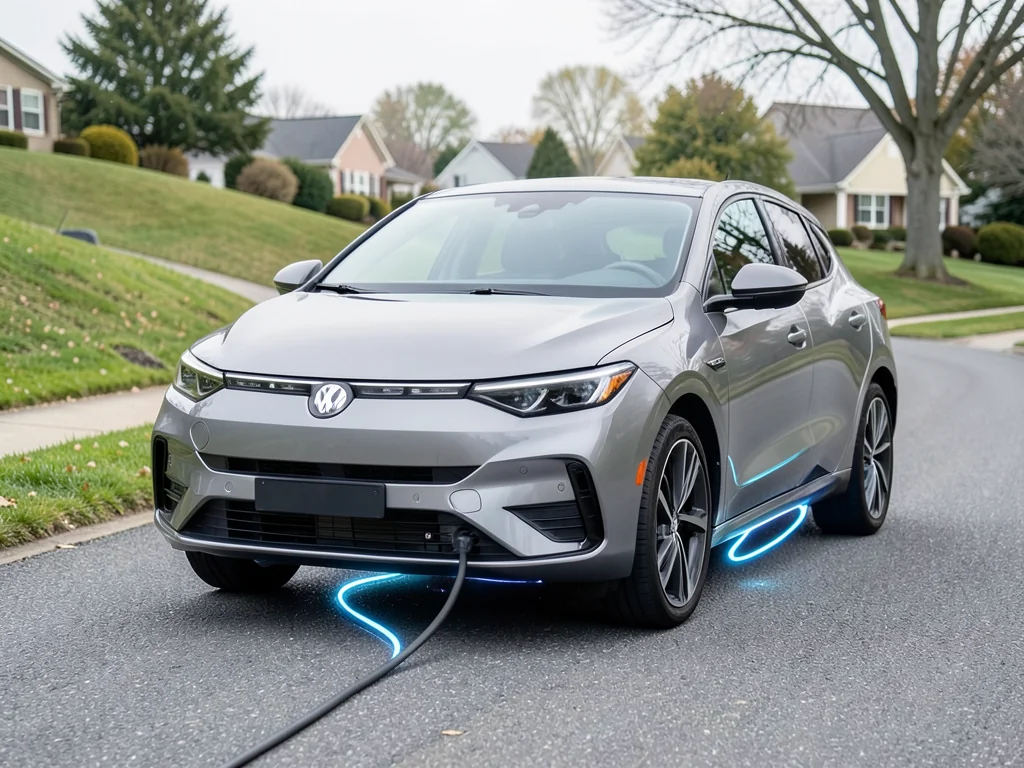
How efficient is regenerative braking? Drivers often see the charge indicator flicker during a stop and wonder how much range they're actually gaining. The answer depends on how much kinetic energy is recovered instead of lost as heat, and many factors change the result from one street to the next.
How Efficient Regenerative Braking Is: Where the Recovered Energy Goes and Where It's Lost
When a vehicle slows, its kinetic energy is enormous, but only part of it can be stored. The traction motor acts as a generator, yet losses occur in the power electronics, the battery's chemical conversion, and later when that stored energy is released. Gentle deceleration keeps more energy within the system's efficient band, while hard stops overwhelm the regen path.
Power in kilowatts describes how quickly energy moves at a moment, but range is recovered over time as kilowatt-hours. A sharp stop may show high instantaneous regen, but it lasts only briefly and often invites friction brake intervention. Over a drive, repeated smooth slowdowns accumulate more usable energy than one abrupt braking event, which is why city traffic can recover more than highway exits.
Does Regenerative Braking Charge the Battery, and Can It Use Extra Battery?
Yes, regenerative braking charges the battery, but it cannot fill it the way a plug does. The energy captured is a fraction of what was spent to reach speed, so it only offsets consumption. The state of charge may not visibly tick upward after one stop because the amount returned is small compared with the pack capacity, and the battery management system spreads it invisibly.
Regen never uses extra battery in net terms. It converts motion back into electricity; it cannot create energy. If a route is mostly downhill, the battery might gain a few percent, but typical deceleration adds only a tiny fraction of a kilowatt-hour. Trip computers and energy monitors on the dashboard give the most accurate view of how much is being returned during real driving.
How Much Range Regenerative Braking Adds in Real Driving
Regenerative braking increases range by turning speed that would otherwise end as heat in brake discs back into stored electricity. The textboook answer is simple, but the actual gain is variable. In stop-and-go city traffic or on long descents, a driver can recover dozens of miles over a charge, while steady highway driving rarely decelerates and thus recovers almost nothing.
Instead of a fixed miles-added figure, owners can compare their energy consumption per mile on a route with and without regen. A hilly commute with frequent slowing will show a clear improvement, while a flat freeway run will not. The benefit accumulates over many braking events, so no single stop will produce a jump in predicted range.
Regenerative Braking Efficiency in Tesla Models and the Toyota Prius
Tesla vehicles use regen to return current to the high-voltage battery during deceleration, but exact efficiency varies by model, software version, and conditions. Regen strength can be limited when the pack is full or cold, and settings such as 'Standard' or 'Low' affect how strongly the car slows. Owners should rely on the in-car energy graph rather than quoted figures.
In the Toyota Prius, regen serves a different role. The hybrid battery is much smaller, so it can accept only a brief burst of charge before the gasoline engine takes over. The Prius still recovers energy during braking, but the benefit is blended with engine management. Comparing a Prius percentage to a Tesla percentage is misleading because the systems have different capacities and goals.
What Increases Regen Effectiveness and How to Get the Most From It
A battery near 100 percent cannot accept much current, so regen may be reduced or disabled on a full charge. This is not a fault but a protection for the cells. Similarly, cold batteries have higher internal resistance and accept charging power slowly, so regen feels weaker in winter until the pack warms from use or a pre-conditioning cycle.
Selectable regen levels or one-pedal driving modes let drivers choose stronger energy recovery, which can capture more energy in traffic. Routes with frequent stops or long downhill stretches make the most of regen. If a warning appears about reduced regen, checking the owner's manual or consulting a qualified technician can clarify whether the limitation is temporary and normal.
Is Regenerative Braking Worth It? Benefits, Tire Wear and Trade-Offs
Regenerative braking is worth using because it returns energy and reduces wear on friction brake pads. Fewer pad-to-rotor contacts means brake hardware can last longer, though the system still needs periodic inspection. In heavy vehicles with strong regen, drivers may notice slightly different tire wear patterns, but regen itself does not directly scrub rubber; aggressive driving and weight do.
The value is greatest for those who spend time in stop-and-go traffic or descend long hills. Highway commuters will see less benefit because they brake rarely. Any concern about uneven wear or brake performance should be checked by a professional, and maintenance intervals in the manufacturer's schedule remain the best guide for service, not regen frequency.