How Does a Plug-In Hybrid Use Its Battery on a Long Trip?
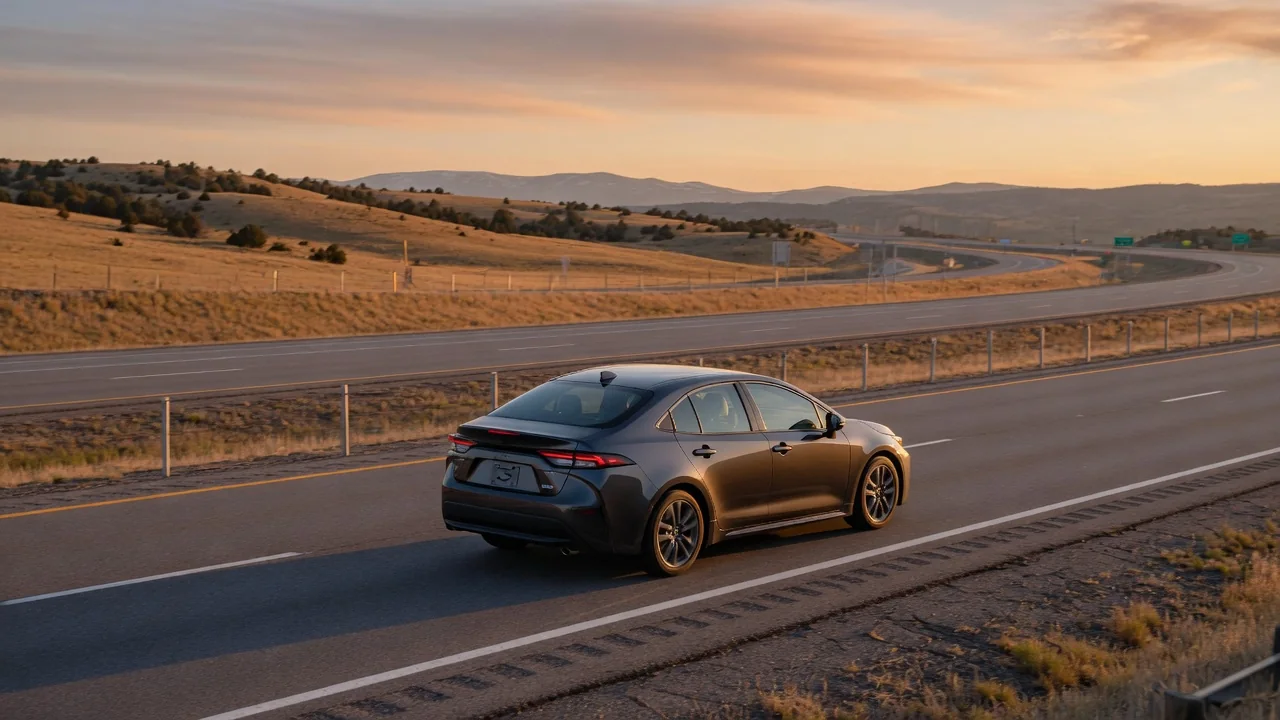
A plug-in hybrid carries a larger battery than a conventional hybrid, so it can cover part of a journey on electricity alone. On a long trip, though, the battery does not simply drain and stop mattering. The control system decides when to spend stored energy, when to run the gasoline engine, and how much charge to keep in reserve. Understanding that logic explains what the car is doing on the highway and how driver-selected modes change the outcome.
Electric use
Most plug-in hybrids start a trip in a charge-depleting state. With a battery charged from the grid, the control system treats electricity as the preferred energy source and drives the electric motor from the pack until the state of charge falls to a lower threshold. In a pure electric mode, the engine stays off as long as the requested power, speed and system conditions allow it. In a blended approach, which some vehicles use by default, the engine can join in under heavy demand while the battery still supplies a large share of the work.
Highway driving is where PHEV battery management becomes most noticeable. Aerodynamic drag rises sharply with speed, so sustained cruising draws more energy per mile than stop-and-go city driving, where regenerative braking can recover some energy during frequent slowdowns. On a long, steady highway stretch there are few braking events to recapture energy, and the electric range shown on the dashboard often shrinks faster than it does around town. Climate control, especially cabin heating in cold weather, adds to the load because it may draw directly from the high-voltage battery.
Many systems also limit electric-only operation. Above a certain speed, during hard acceleration, or when the battery is very cold or very hot, the controller may start the engine even though usable charge remains. These thresholds differ from vehicle to vehicle and are described in each owner's manual rather than being universal values.
Engine operation
Once the usable charge is spent, the vehicle switches to charge-sustaining operation. From that point it behaves much like a conventional hybrid: the gasoline engine provides most of the energy for the trip, and the battery acts as a short-term buffer. The controller lets the state of charge rise and fall within a narrow band, using the battery to assist during acceleration, absorbing energy through regenerative braking, and sometimes letting the engine shut off briefly at low loads.
How the engine delivers power depends on the drivetrain design. In some layouts the engine can drive the wheels directly through a transmission or clutch, an arrangement that tends to suit steady highway cruising. In others the engine mainly turns a generator that feeds the electric motor, and the wheels are driven electrically. Many systems combine both paths and choose between them based on speed and load. In each case the control logic tries to keep the engine working in an efficient part of its operating range, sometimes producing slightly more power than the wheels need and storing the surplus in the battery.
The engine may also run for reasons unrelated to propulsion. A cold start can trigger engine operation to warm the catalytic converter, provide cabin heat or protect components, and some systems run the engine periodically so fuel and oil do not sit unused for long periods. These behaviors are normal control strategies, not signs that the battery has failed.
Charge reserve
A plug-in hybrid does not empty its battery completely, even when the dashboard shows zero electric range. The controller keeps a reserve below the displayed usable capacity. That reserve gives the hybrid system enough energy to assist the engine, restart it smoothly and absorb regenerative braking, and it helps protect the battery from the stress of very deep discharge. The size of this buffer is set by the manufacturer and is generally not something the driver can adjust.
Many plug-in hybrids also let the driver create a larger reserve on purpose. A hold or save mode tells the controller to maintain the current state of charge and rely mainly on the engine, so electricity is kept for later. A charge mode, where offered, goes further and uses the engine to raise the state of charge while driving. Some vehicles with navigation-linked energy management can plan this automatically once a destination is entered, spending charge on the parts of a route where it is most useful and saving it for others. Availability and behavior of these features vary by model.
Charging through the engine is not free energy. Converting fuel into stored electricity and then back into motion involves losses at each step, so a charge mode generally raises fuel consumption compared with ordinary hybrid driving. Its value lies in shifting when electricity is available, not in creating more of it.
Practical implications and limits
For a long trip, the most useful decision is often where to spend the electric miles. Because steady high-speed cruising uses charge relatively quickly and recovers little, some drivers prefer to hold the battery on the highway and drive electrically in towns, traffic or at the destination, where low speeds and frequent braking suit electric operation. Whether this saves fuel in a particular car depends on its drivetrain, its engine efficiency at cruising speed and how its own modes are designed, so the owner's manual is the best reference for the intended use of each mode.
Recharging along the way changes the picture. A plug-in hybrid can usually accept an external charge during a stop and restore part of its electric range, but charging capability varies widely, and many plug-in hybrids are not designed for DC fast charging. On a road trip, the engine and fuel tank remain the main source of range, and the battery mostly influences efficiency and driving character rather than how far the car can travel.
Expectations should also account for conditions. Cold weather, heavy loads, towing, mountain grades and high speeds can all reduce electric range and prompt earlier engine operation, and battery capacity can decline as the pack ages. The displayed range estimate reflects recent driving and current conditions, so it may shift noticeably during a trip. Treat it as a guide to how the control system is managing energy, not as a fixed figure.