How Does a Hybrid Restart After Coasting? Torque, Engine Speed and Feel
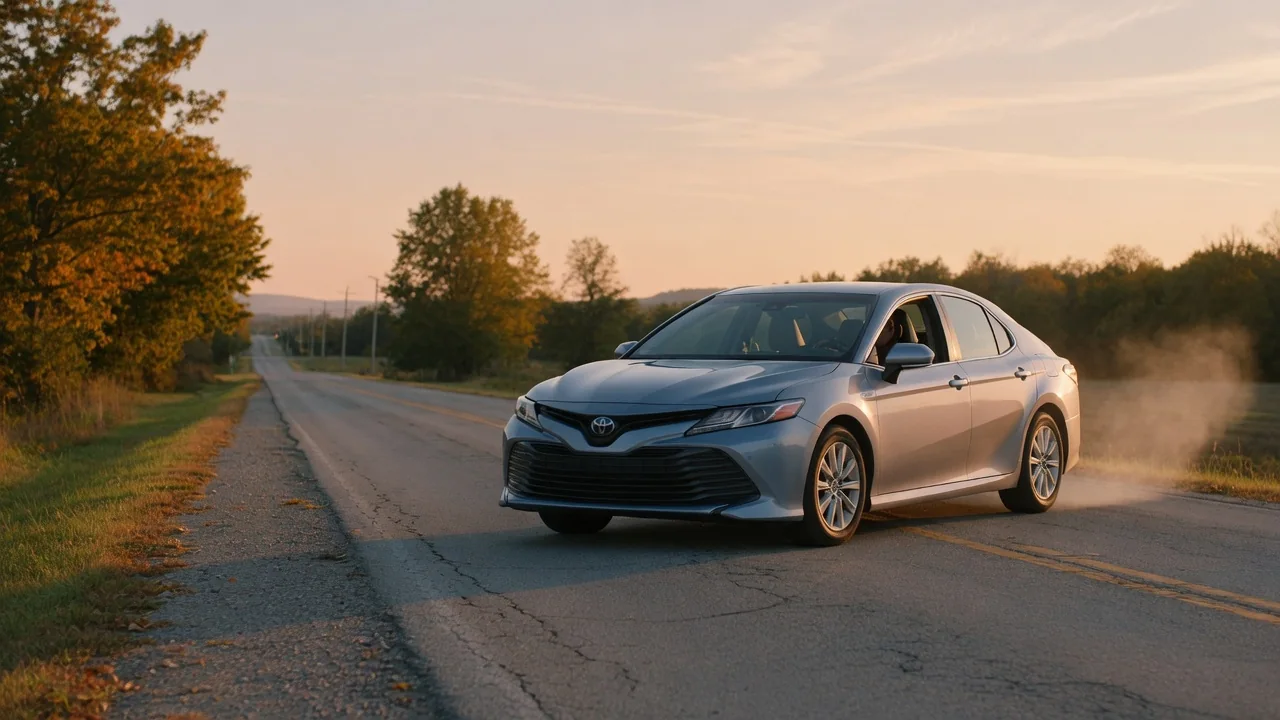
When a hybrid coasts, its gasoline engine often shuts off or disconnects while the car keeps rolling on momentum, regenerative braking or electric power. Restarting it is a coordination problem. The control system has to spin the engine up, bring it to a useful speed and blend its torque into the driveline without the driver feeling a jolt. The details vary by design, but most hybrid architectures share the same basic logic for a hybrid engine restart during driving.
Torque coordination during the restart
A hybrid's supervisory controller keeps comparing what the driver is asking for with what the electric side can deliver. Its inputs typically include accelerator pedal position, vehicle speed, battery state of charge, battery and engine temperatures, and climate control requests. While the car coasts, demand is low, so the engine can be stopped or decoupled. The controller requests a restart when that balance changes. Common triggers are a pedal request beyond what electric drive alone can satisfy, a battery that needs charging, an engine or exhaust aftertreatment that needs warming, or a cabin heater that needs engine heat. The restart then happens while the car is already moving, which is harder to manage than starting from a standstill.
The core challenge is that two torque jobs happen at once. Some torque has to accelerate the engine's rotating mass from rest, while the wheels must keep receiving the torque the driver expects. In many full hybrids, an electric motor-generator does the cranking. Power-split designs tie the engine, a generator and the drive motor together through a planetary gearset. Spinning the engine there creates a reaction torque at the output, which the drive motor must cancel. Designs with a clutch between the engine and the electric motor work differently. The engine may be started by a separate starter-generator or by partially engaging the clutch, and the traction motor adds torque to cover the energy borrowed from the driveline.
After the engine fires, the controller performs a handoff. It ramps engine torque up and electric torque down, so the total at the wheels follows the driver's request rather than the internal state of the powertrain. Most vehicles do not measure engine torque directly, so the controller relies on estimates built from airflow, fuel quantity and ignition timing. Two things decide whether the transition is seamless or produces a small surge or sag: how accurate those estimates are and how quickly the electric motor can correct their errors.
Engine speed and synchronization
An engine cannot deliver useful torque until it turns fast enough for stable combustion. In a typical full hybrid restart, the motor-generator first spins the engine up without fuel, often faster than a conventional starter would. Fuel injection and ignition begin once the engine reaches its target speed and the controller has confirmed crankshaft position. Starting combustion at a higher, steadier speed tends to smooth the first firing events and helps the engine settle quickly into normal operation.
Speed matching matters most where a clutch connects the engine to the rest of the driveline. If the clutch closes while the engine is turning much slower or faster than the shaft it joins, the speed difference becomes a torque spike the driver can feel. The controller therefore brings engine speed close to the input speed before full engagement and then lets the clutch take up the load. Power-split systems have no such clutch, but engine speed is still controlled. Generator speed and vehicle speed together set engine speed through the gearset, which lets the controller place the engine at a chosen operating point.
That operating point depends on why the restart happened. If the driver wants strong acceleration, the system may allow higher engine speed to make more power available. If the restart is for battery charging, warm-up or emissions control, the engine may run at a moderate, steady speed that has little to do with how hard the car is accelerating. This is why engine sound in a hybrid can seem disconnected from road speed. It reflects the control strategy, not a fault.
Driver feel: what you notice and why
Manufacturers generally aim for restarts that most drivers do not consciously notice, but some cues are hard to eliminate entirely. On its way up to speed, the engine passes through a low-speed range where vibration is stronger, and a quick spin-up limits how long those vibrations last. Engine mounts, noise-reduction measures and the timing of the first combustion events all affect how much reaches the cabin. The most common signs that the engine has rejoined are a faint shudder, a change in sound, or movement on the power or tachometer display.
Calibration involves a trade-off between responsiveness and smoothness. When the driver presses the accelerator firmly after a long coast, the system has to decide how fast to bring in engine torque. Prioritizing response can make the restart more noticeable. Prioritizing smoothness can create a brief sense that power arrives in stages. Gentle pedal inputs give the controller more time to blend torque, so restarts during light acceleration usually feel softer than those triggered by sudden demand.
Restarts without any pedal input can also surprise drivers. If the engine starts while the car is still coasting, the cause is usually charging, heating or warm-up rather than a request for propulsion. The controller tries to keep wheel torque unchanged in that case, so the main sign is sound or a display indication rather than a change in deceleration.
Practical implications and limits
Frequent engine restarts during driving are part of normal hybrid operation. How often they happen depends on outside temperature, battery state of charge, climate control settings, speed and route, so the same car can behave differently on a cold morning than on a mild afternoon. Hybrid designs also differ in how freely they let the engine stop while moving, and mild hybrids vary especially widely here. The owner's manual for a specific vehicle describes its indicators and the conditions under which the engine stays running.
Some restart behavior deserves attention. A distinct clunk, repeated hesitation, a restart that takes noticeably longer than usual, or a dashboard warning can point to a problem with sensors, the engine, the high-voltage system or the control software. A weak 12-volt battery can also cause unusual behavior, because the control electronics depend on it. Diagnosis usually starts with stored fault codes. Work on high-voltage components should be left to technicians trained for it.
The mechanisms described here are general. Exact restart thresholds, target engine speeds, blending rates and the role of clutches or gearsets are specific to each powertrain and calibration, and they can change with software updates. For any particular vehicle, the manufacturer's service information is the reliable reference for what is expected and what is not.