How Does a Car Defroster Clear the Windshield?
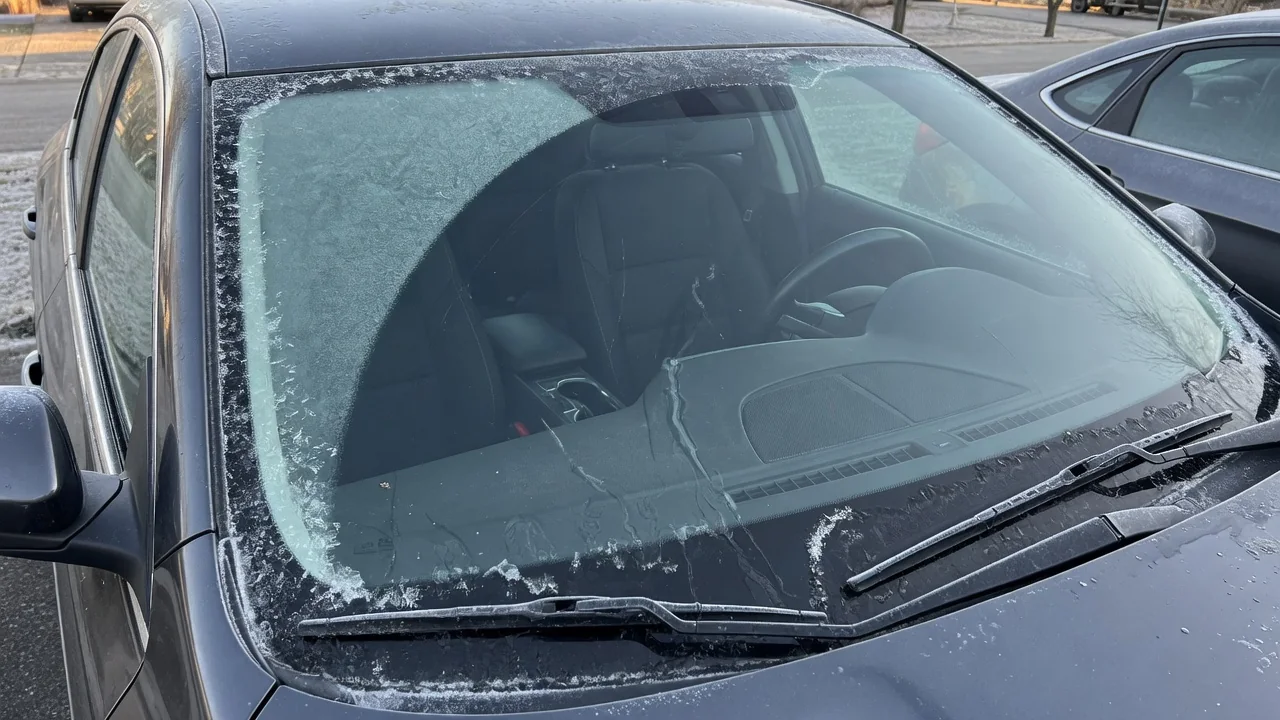
Anyone who has waited behind a fogged or frosted windshield has wondered how a car defroster clears the windshield so reliably. The answer combines three things: air aimed directly at the glass, heat that raises the glass temperature, and drying that strips moisture from the airstream. Understanding how those pieces work together makes it easier to clear the view quickly and spot when something is not working properly.
Air directed to glass
When the defrost mode is selected, doors inside the heating and ventilation housing move to route most of the blower output toward narrow vents along the top of the dashboard at the base of the windshield. Those slots spread the air into a thin sheet that climbs the inside of the glass. Many vehicles also send a smaller share to outlets near the side windows, which helps keep the view of the mirrors clear while the main stream works on the windshield.
Moving air matters on its own, because it sweeps away the thin layer of humid, still air that clings to the glass and replaces it with air that can absorb more water. Drivers can usually see this as a clear patch that begins low near the vents and spreads upward and outward. The pattern, the number of outlets and whether the mode doors are driven by cables, vacuum or small electric motors vary by vehicle, so the owner's manual is the best guide to a particular layout.
AC drying role
Fog on the inside of the windshield is water vapor from breath, wet clothing and damp floor mats condensing on glass that is colder than the cabin air. Heat alone helps, yet drying the air is what removes the source. That is why many vehicles engage the air conditioning compressor automatically in defrost mode. Air passes over the cold evaporator first, moisture condenses on its fins and drains out under the car, and the drier air is then reheated by the heater core.
The result is warm, low-humidity air that pulls moisture off the glass far faster than warm, damp air could. On some vehicles the air conditioning indicator lights up in defrost mode, while on others the compressor runs without any light, so behavior differs between designs. Compressors are also commonly prevented from running in very cold conditions to protect the system, which means the drying effect may be reduced on the coldest mornings. In those conditions heat and airflow carry most of the workload.
Recirculation choice
The recirculation setting decides whether the system draws air from outside or reuses air already in the cabin. For clearing a fogged windshield, outside air is usually the better choice. Cold outdoor air holds very little moisture, so once it is heated it becomes quite dry and eager to absorb water. Recirculated cabin air keeps picking up humidity from the occupants, and sending that same damp air back across cold glass tends to keep the fog in place or make it return.
For that reason, many vehicles switch to fresh air automatically when defrost is selected, and some will not allow recirculation in that mode at all. Others leave the choice to the driver, so it is worth checking the indicator on the control panel. A brief period of recirculation can help warm the cabin faster on some vehicles, but windows fogging shortly afterward is a strong hint to return to fresh air. Automatic climate control systems may manage this decision without any driver input.
Everyday Use and Observations
On a frosty morning, the defroster works differently than it does against interior fog. Ice on the outside melts only once the glass itself warms, and that depends on engine coolant reaching the heater core with useful heat. Early airflow may feel cool and accomplish little, then clearing accelerates as the temperature gauge rises. Electric and hybrid vehicles often use electric heaters or heat pumps instead, so warm air may arrive sooner, though the effect on driving range varies by design.
The rear window uses a separate approach, with thin heating lines bonded to the glass that warm it electrically rather than with air. Some vehicles add heated mirrors, heated wiper rest areas or fine heating elements within the windshield. In daily use, a clean interior glass surface makes a noticeable difference, because the film left by dust and plastic vapors gives moisture more places to cling. Setting a high fan speed and warm temperature, then easing back once the view is clear, generally works well.
Limits and Next Steps
A defroster has limits. It cannot instantly melt thick ice, so scraping and brushing snow away from the glass and the cowl intake at the base of the windshield remain part of the job. Snow packed around that intake can restrict fresh air, and wet carpets or mats keep feeding moisture into the cabin. Driving off while peering through a small cleared patch is risky, and waiting for a fully clear view is the safer choice regardless of how the system is designed.
Persistent trouble deserves attention. Weak airflow can point toward a clogged cabin air filter or a blower concern, while air that never warms may relate to coolant level, the thermostat or a mode or blend door that is not moving. A sweet smell with a greasy film on the glass can suggest a heater core leak, and fog that never clears may indicate the air conditioning is not drying the air. These are clues rather than conclusions, so a qualified technician should confirm the cause on the specific vehicle.