How Did Tailfins Shape Car Design? Visual Cues, Era and Legacy
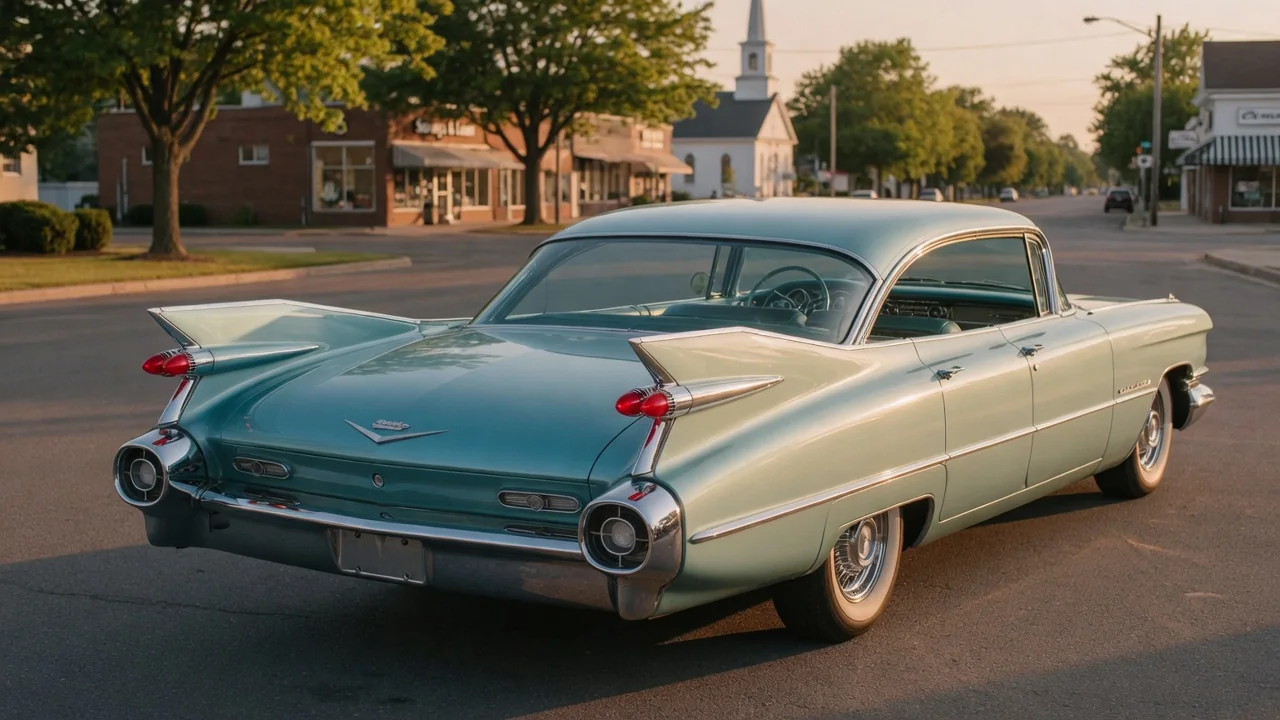
Tailfins are among the most recognizable styling features in automotive history. Rising from the rear fenders of postwar American cars, they turned the back of a vehicle into a design statement rather than an afterthought. To understand how tailfins shaped car design, it helps to trace the styling history of car tailfins through three lenses: the visual language they created, the production era that pushed them to extremes, and the influence they left on proportion, lighting and rear-end identity.
Visual cues
At its simplest, a tailfin is an upward or outward extension of the rear fender. On some cars it was little more than a raised crease; on others it became a tall, sharp blade that dominated the silhouette. Designers drew the idea from aviation, borrowing the look of aircraft tail surfaces and, later, jet and rocket imagery. The goal was to make even a parked car suggest speed, power and modern technology. Whatever stability benefits were claimed in advertising, at ordinary road speeds the role of the fin was overwhelmingly visual, which is why tailfins are best understood as a styling device rather than an engineering feature.
Fins also changed how a car's proportions were read. By pulling the eye rearward, they made bodies look longer, lower and wider, reinforcing the horizontal emphasis that stylists were already pursuing with long hoods, extended rear decks and side trim. They rarely appeared alone: chrome accents, two-tone paint, wraparound glass and bold bumpers usually completed the composition. One especially lasting change was the integration of taillights into the fin itself. Lamps stopped being small fittings attached to the body and became sculpted elements that defined the rear view, turning the back of the car into a signature that could be recognized at a distance and at night.
Production era
Tailfins appeared on American cars in the late 1940s, as manufacturers returned to civilian production after the Second World War. Aircraft design was fresh in public memory, and early fins were modest bumps that hinted at that influence rather than shouting it. Through the 1950s they grew steadily taller and more elaborate. The industry's practice of annual model changes encouraged this escalation, because a visibly new rear end was an easy way to make the current year's car look different from last year's and to signal that an older car was out of date.
Fins reached their most extreme forms toward the end of the 1950s. That timing matched a broader cultural mood: enthusiasm for jet travel and the early space race, expanding highway networks, inexpensive fuel and a confident consumer market. Competing manufacturers treated fin height and shape as a way to stand out, and the result was a period in which some rear ends looked closer to aircraft than to automobiles. The trend was centered in the United States, though some manufacturers elsewhere, including in Europe, adopted more restrained versions of the theme during the same years.
The decline came quickly. By the early 1960s, tastes were shifting toward cleaner, crisper and more restrained shapes, and the most flamboyant fins began to look excessive rather than futuristic. Designers reduced them to subtle peaks, sharp fender edges or simple creases, and by the middle of the decade the classic fin had largely disappeared from mainstream production. Its fall shows how closely the feature was tied to a specific cultural moment rather than to any lasting functional need.
Legacy
The most important legacy of tailfins is not the fins themselves but what they established about the business of design. The fin era helped confirm that styling could sell cars on its own, that a visible yearly change could drive buying decisions, and that design studios deserved real influence alongside engineering departments. It also made the rear of the car a deliberate design surface. Before fins, the back of many cars was treated mainly as a place for the trunk lid, bumper and lamps; afterward, designers routinely shaped it as carefully as the front.
Traces of that thinking remain visible. Sculpted rear fenders, character lines that run the length of the body and end at the rear lamps, and tall or distinctive taillight clusters all continue the idea that the back of a car should carry identity. Fins also left a cautionary lesson: styling built around a fashionable theme can date a vehicle quickly once the mood changes. Today the tailfin works as visual shorthand for the late 1950s, and it often appears in retro-inspired design, illustration and popular culture whenever someone wants to evoke that period.
Practical implications and limits
For owners, buyers and catalog users, fins are a useful but rough clue to a car's age. Their presence and general size can suggest the period in which a body was styled, yet shapes varied widely between manufacturers and from year to year, and many cars of the same era had no fins at all. Reliable identification of a specific vehicle depends on documentation, identification numbers and catalog data rather than on rear styling alone. It also helps to remember that some later cars and custom builds deliberately imitate the look.
Fins also affect ownership in practical ways. Large rear fender panels with integrated lamps and trim can be difficult and costly to repair after damage or corrosion, because restoring sharp edges and smooth curves calls for skilled bodywork, and the availability of replacement panels, lenses and trim depends entirely on the particular vehicle. Many cars from the fin era were long overall, which can make parking and garage fit more demanding than with a modern car of similar interior space. Details such as lamp wiring, seam locations and materials vary by vehicle, so the relevant service manual remains the right reference for repair or restoration work.
Finally, this account describes broad styling trends, not the history of any individual model. Period boundaries such as peak and decline are approximate, the influence of fins differed by market, and claims made in period advertising should not be read as engineering evidence. Treat the tailfin as a lens for understanding mid-century design priorities, then verify any vehicle-specific detail against appropriate records.