How Did Seat Belt Designs Evolve?
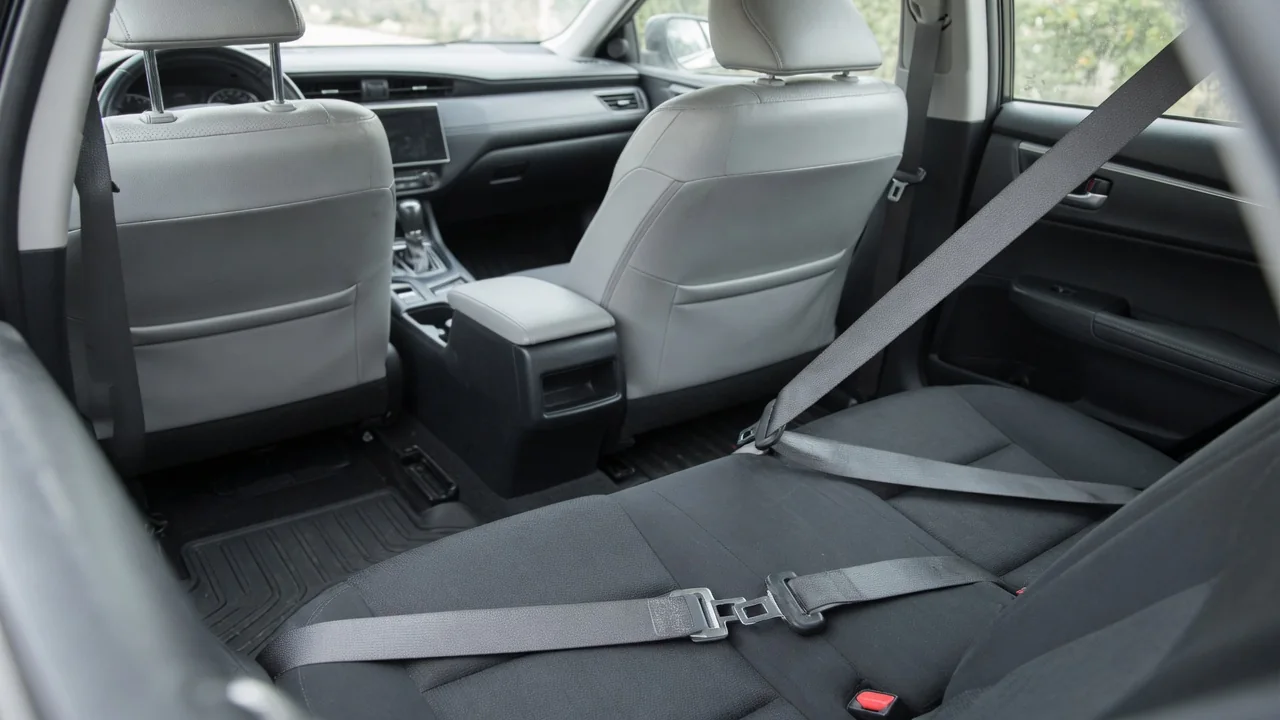
Anyone asking how did seat belt designs evolve is really asking how a simple strap became a coordinated restraint system. The story moves from basic lap belts toward three-point layouts, self-adjusting retractors, and electronic reminders that nudge occupants to buckle up. This overview traces those concepts in general terms and points out what drivers can see in their own vehicles.
Lap to three-point ideas
Early automotive restraints were commonly two-point lap belts: a single length of webbing anchored on each side of the seat and crossing the hips. The goal was straightforward, keeping an occupant in the seat rather than thrown from it during a collision. The limitation was just as plain. With nothing holding the upper body, the torso could pivot forward toward the steering wheel or dashboard, and crash loads were concentrated across a narrow band of the pelvis and abdomen.
The three-point concept addressed that weakness by adding a diagonal section across the chest and shoulder. In most passenger cars it is one continuous belt running from an upper anchor, through a sliding latch plate, to a lower anchor, so force is shared between the rib cage and the pelvis. You can usually see the upper anchor on the pillar beside the front seats. Some older vehicles, and certain center rear positions, may still have a lap-only belt, so the layout varies by age and seating position.
Retractors
Early belts were often a fixed length that had to be adjusted by hand, which meant they were frequently worn loose or left tucked behind the seat. The retractor changed that. It is a spring-loaded spool that winds in slack webbing, keeping the belt snug while still letting the occupant lean forward to reach a control. A locking mechanism inside holds the spool when it senses sudden vehicle deceleration, a steep tilt, or webbing being pulled out very quickly.
This behavior is easy to observe from the driver's seat. Pull the belt slowly and it feeds out smoothly; tug it sharply and it stops. On some vehicles, drawing the webbing all the way out switches the retractor into a ratcheting mode intended for securing child seats, though the owner's manual should confirm whether a particular seat works that way. Later refinements include pretensioners that take up slack in a crash and load limiters that allow controlled give, and their presence differs by model and seat.
Modern reminders
A belt only helps when it is worn, so designers added ways to prompt occupants. The basic form is a warning lamp on the instrument cluster paired with a chime, triggered by a switch inside the buckle that detects whether the latch plate is engaged. Earlier systems tended to give a brief signal at startup. Later approaches became more persistent, with chimes that repeat or grow more insistent once the vehicle is moving, and some extend monitoring to the front passenger and rear seats.
Drivers typically notice the belt icon light up when the ignition is switched on, and a heavy bag on the passenger seat can set off the chime because an occupancy sensor reads it as a person. If the reminder or a restraint warning light stays on with everyone buckled, the buckle switch, wiring, or a sensor may be involved. A stored fault code is evidence to interpret rather than proof that a part has failed, and manufacturer-specific codes need confirmation against information for that exact vehicle.
Everyday Use and Observations
The evolution of belt hardware also shows up in how the belt fits day to day. The lap portion is meant to sit low across the hips, and the shoulder portion should cross the collarbone and chest instead of the neck or under the arm. Many vehicles provide a sliding height adjuster on the pillar to fine-tune that path. Some convertibles, pickups, and vehicles with removable seats mount the belt to the seat frame itself, so the anchor moves with the seatback.
Condition is something any owner can check without tools. Webbing that is frayed, cut, stiff, or twisted inside the latch plate deserves attention, as does a buckle that fails to click firmly or releases with unusual effort. A belt that retracts sluggishly may simply have dirty webbing dragging through the guide, or it may point to a worn retractor. Child seats and boosters follow the same fit logic, positioning a smaller passenger so the adult belt geometry rests on the right parts of the body.
Limits and Next Steps
Even a well-developed belt has limits. It works as one part of a system alongside airbags, the seat structure, and the head restraint, and it is engineered around upright seating. A heavily reclined seatback or a belt routed incorrectly reduces what the restraint can do. Belts that were worn during a collision may need replacement according to the manufacturer's guidance, since webbing can stretch and pretensioners are often single-use devices that should never be opened or tested at home.
For anything beyond a visual check, the owner's manual and a qualified technician are the sensible next stops, especially when a restraint warning light is involved. Owners of classic vehicles who want to add or upgrade belts should have the anchor points professionally assessed, because the body structure must be able to carry the loads. This general history deliberately avoids crediting particular inventors or dates, and the features on any given car depend on its age, market, and trim.