How Car Parking Sensors Work: Uses, Settings and Troubleshooting
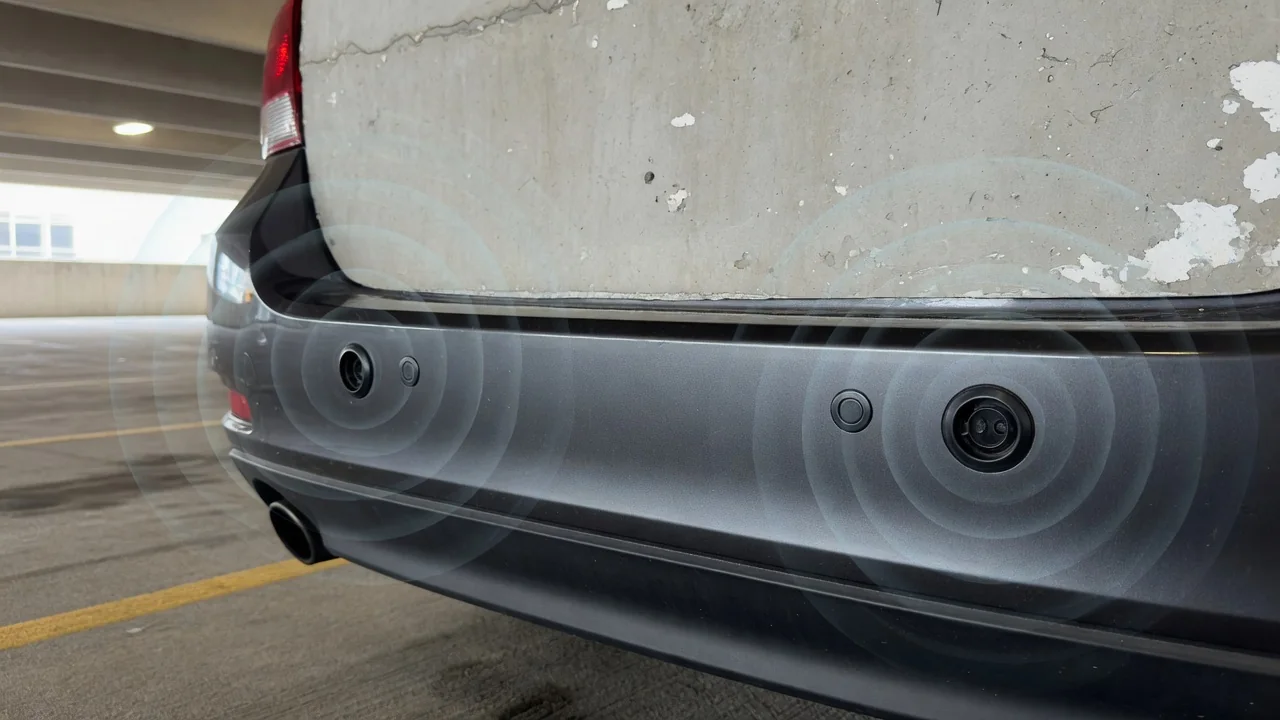
Parking sensors are a low-speed driver aid. They warn you when your bumper is getting close to a wall, post, curb or another car. Knowing how they work helps you use them well, spot a false alarm and judge when a fault needs attention. This guide covers how they detect obstacles, how to switch them on and off, resets, calibration, testing, removal from the bumper, cost factors and shopping for a vehicle that has them.
What Parking Sensors Are and What They Do on a Car
So what are parking sensors on a car? They are small detectors, usually set into the bumper, that sense nearby obstacles during slow maneuvers. They alert the driver with a warning tone, a display graphic or both. Rear parking sensors, also called reversing or backup sensors, usually work only when reverse is selected. Front and rear systems add bumper sensors at the nose as well. These help when you pull into a tight garage where the hood hides low obstacles.
Names like park assist or parking sensor assist vary by manufacturer. On some vehicles the name just means the proximity warning system. On others it describes a feature that helps steer the car into a space. Your owner's manual is the reliable guide to what your car actually does. Either way, the sensors support the driver. They don't replace mirrors, cameras or looking around the vehicle. Thin poles, chains, small toys and low curbs can go undetected.
How Parking Sensors Detect Obstacles: Ultrasonic and Electromagnetic Systems
Most systems use ultrasonic sensors. Each one sends out a short pulse of sound, too high for people to hear, and listens for the echo. Sound travels at a predictable speed, so the time between the pulse and its return gives the system an estimate of distance. Electromagnetic parking sensors work differently. A strip mounted inside the bumper creates a field and senses when an object enters it. No holes are drilled, which suits some aftermarket installs, but these systems detect differently from ultrasonic ones.
A control module combines the sensor readings and drives the warning tone. The beeps usually speed up as the gap closes and turn into a solid tone when the obstacle is very near. Rear sensors usually turn on when reverse is selected. Front sensors may turn on below a certain speed or with a button press, depending on the vehicle. Every system has limits: a blind zone right against the bumper, angled surfaces that bounce sound away, and soft or narrow objects that return a weak echo.
How to Turn Parking Sensors On, Off or Disable Them
How you turn parking sensors on or off depends on the car. Many models have a park assist button near the shifter or on the dash, often marked with a car and sound-wave icon. Others put the setting in the infotainment screen or instrument cluster menu, under driver assistance options. If you want to turn on the parking sensors in your car and can't find a button, check those menus first. Then check the owner's manual for the exact steps.
Switching the system off is often temporary. It may come back on after a restart or the next time you select reverse. Some vehicles let you turn off the rear parking sensors separately from the front ones, while others treat them as one system. Turning them off briefly makes sense in a car wash or with a bike rack or tow hitch fitted, but switch them back on afterward. Don't disable parking sensors permanently by unplugging parts. That can set fault warnings and removes a useful safety aid.
Why Parking Sensors Keep Going Off and How Reset or Calibration Works
If your parking sensors keep going off, the cause is usually something on or near the sensor face. Dirt, road salt, ice, snow, heavy rain and water droplets can create false echoes or block the signal. Trailer hitches, bike racks and cargo carriers sit inside the detection area and can trigger constant alerts. Gently clean each sensor with a soft cloth. Look for cracks, sensors pushed out of line or thick paint buildup, then restart the vehicle.
How to reset parking sensors varies by vehicle. Some systems clear a temporary fault after a restart, or through a menu reset once the sensors are clean. Others need a dealer or a capable scan tool to calibrate or code the system. Calibration may be needed after bumper repairs, new sensors or added accessories that change what the system sees. The procedure depends on the vehicle and needs proper equipment, so it isn't something to guess at.
Testing and Fixing Faulty Parking Sensors Safely
Testing parking sensors starts with careful observation. Note which sensor stays silent or alerts all the time, write down any warning message on the dash, and see whether the fault changes with the weather or after a wash. With the vehicle safely parked and the system on, a working ultrasonic sensor often makes a faint clicking you can hear or feel with a fingertip. Silence suggests a problem. But this check alone can't confirm a failed sensor, because the wiring or the module could be at fault.
Testing parking sensors with a multimeter checks the circuit for power, ground and continuity. Pin layouts, expected values and wiring differ by vehicle, so get service information for your specific vehicle before you probe anything. Stored fault codes in the module can point to a particular sensor position or circuit. What a code means depends on the manufacturer, though, and it must be confirmed for that vehicle. Fixing parking sensors often ends with a professional, especially for wiring or module faults or problems that return after cleaning.
Removing Sensors From the Bumper and What Affects Replacement Cost
Sensors usually sit in brackets or retaining clips attached to the inside of the bumper cover. Some can be reached from underneath or through the wheel well. Others can only be reached with the bumper cover removed. Before you remove parking sensors from the bumper yourself, think about the risks. Brittle clips break, connectors crack and paint scratches easily. A sensor put back at the wrong angle can also cause false alerts. If the bumper cover has to come off, a body shop is usually the better choice.
What rear parking sensors cost depends on several factors rather than one fixed price. Factory systems and aftermarket kits are priced differently. The total also grows with the number of sensors, paint matching for new units, labor time and any calibration the vehicle needs. Replacement sensors must match the vehicle's system, because connectors, mounting and electronics differ. Before ordering, confirm the part fits with a dealer or a reputable supplier, using the vehicle identification number.
Choosing a Small SUV With Front and Rear Parking Sensors
If you want a small SUV with front and rear parking sensors, check each vehicle rather than assuming the model has them. Availability often varies by trim level, option package and model year. A feature that is standard on one version may be optional on another. The window sticker or build sheet lists the equipment fitted to that vehicle. A test drive confirms it: drive slowly toward a safe object and then back up to hear both the front and rear warnings.
Sensors are often listed alongside related parking aids such as a rearview camera or a surround-view system. Together, these reduce the blind zone around the vehicle. When inspecting a used SUV, make sure every sensor responds and no warning lights appear. Look closely at the bumpers for signs of repair, such as mismatched paint, uneven gaps or overspray. Past body work can explain sensor problems or point to calibration that may still be needed.