How Car AC Evacuation Removes Air and Moisture
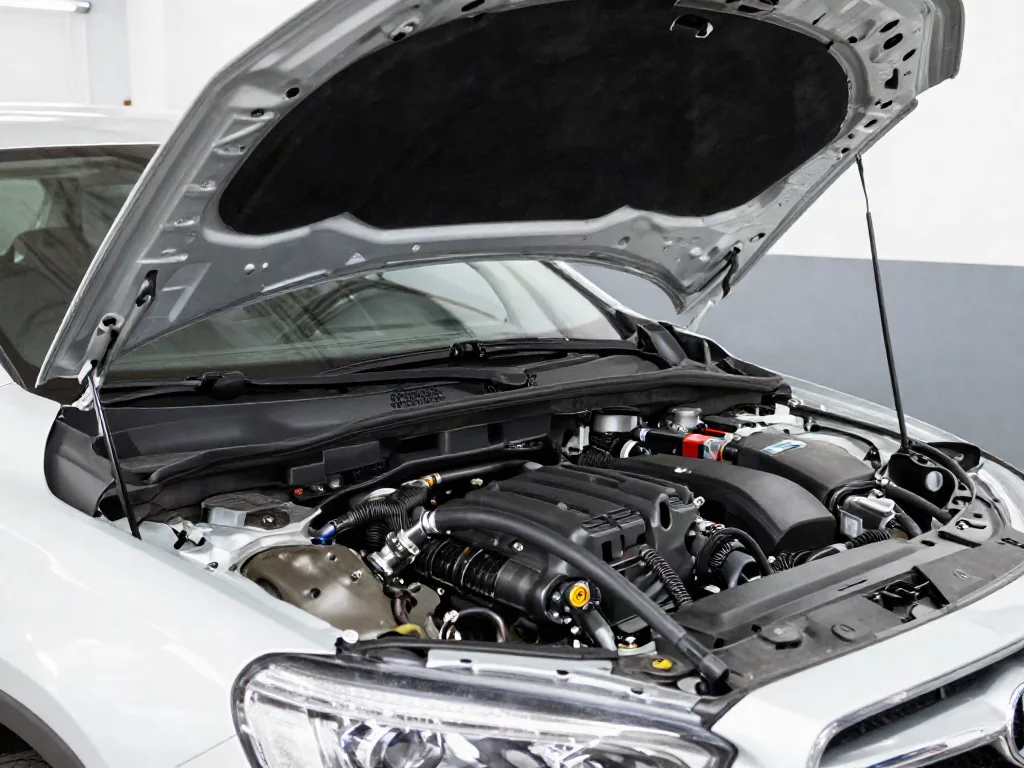
When a refrigerant line, compressor, condenser or other component is opened, outside air and humidity get into the circuit. Technicians use a car AC evacuation pump to remove that contamination before recharging. It helps to know when evacuation is needed, why air in a car AC system hurts cooling, what a vacuum pump actually does and how professionals judge whether a system is dry. With that background, you can ask better questions at the service counter.
When a Car AC System Needs Evacuation
A car's air conditioning is a sealed loop that should contain only refrigerant and the correct compressor oil. Replacing a compressor, condenser, evaporator, expansion valve, hose or seal opens that loop. Room air rushes in and carries water vapor with it. If refrigerant were simply added afterward, those contaminants would be trapped inside. Evacuation is the step that clears them out. Anyone wondering how to evacuate a car AC should understand that it comes after recovery and repair and does not replace either one.
Evacuation is done on a closed circuit. Any remaining refrigerant has already been recovered, the repairs are complete and every fitting is reconnected. A vacuum pump then pulls the system into a deep vacuum so air and moisture leave. Weak cooling by itself does not mean a system needs this service. A leak causing low charge, a failing compressor clutch, a faulty blend door, a clogged condenser or an electrical problem can all produce warm vent air. That is why diagnosis should find the underlying cause first.
How Air and Moisture Affect AC Operation
Air is called a noncondensable gas because it will not turn into liquid at the pressures and temperatures inside the condenser. It collects there and takes up space that refrigerant needs for releasing heat. When the condenser rejects heat less effectively, high-side pressure and temperature tend to climb and the compressor works harder. The refrigerant reaching the evaporator is also warmer than it should be. The result can be vent air that feels only mildly cool, especially in traffic or hot weather, when the condenser already has little margin.
Moisture causes a different kind of trouble. Water reacting with refrigerant and lubricant can form acids that corrode aluminum parts and break down the oil that protects the compressor. The desiccant in the receiver-drier or accumulator can absorb only a limited amount. Free water can also freeze at the expansion valve or orifice tube, where pressure drops sharply. The ice blocks flow until it thaws, so cooling comes and goes. Poor or intermittent cooling has many possible causes, though, so confirming air contamination takes service history and professional testing.
What an Automotive AC Vacuum Pump Does
An automotive AC vacuum pump lowers the pressure inside the refrigerant circuit far below atmospheric pressure. This draws air out directly, and it helps with moisture too. As pressure drops, the boiling point of water drops with it, so liquid water trapped in hoses, oil and components can vaporize at ordinary temperatures. Once the water becomes vapor, the pump removes it along with the remaining air. Warm conditions generally help this process. Cold components or pooled water make it slower.
Recovery equipment and a vacuum pump do separate jobs. A recovery machine captures refrigerant from the vehicle into an approved container, and this must happen before evacuation begins. A vacuum pump is not meant for refrigerant and should never be used to empty a charged system. The connections also matter. Service couplers and hoses must suit the vehicle's refrigerant, and the equipment should be compatible with that refrigerant and its oil. An accurate vacuum gauge is essential because a standard compound gauge cannot show how deep the vacuum really is.
What Must Be Checked Before Evacuation
Before anyone tries to evac a car AC system, the specified refrigerant must be confirmed. The under-hood label usually identifies the refrigerant type and charge amount. Service information adds details such as the oil type, component procedures and evacuation requirements. Mixing refrigerants or using the wrong oil can contaminate both the system and the service equipment. A refrigerant identifier can be used before recovery, because a previously serviced vehicle may contain a blend, a sealant or an unexpected gas that could damage recovery machines.
The order of work matters. The technician recovers any remaining refrigerant and completes the repair. Parts such as the drier are replaced when service information calls for it, and the circuit is closed before evacuation. Refrigerant is stored under pressure and can cause frostbite-like cold burns to skin and eyes, so eye protection and gloves are basic requirements. Some newer refrigerants are rated mildly flammable, which adds handling rules. Under US federal rules, refrigerant must not be deliberately vented, and anyone who services vehicle AC for pay must be certified and use approved recovery equipment.
How Technicians Evaluate the Evacuation
At a high level, here is how a professional evacuates an AC system in a car. The technician connects suitable equipment to the prepared circuit, runs the vacuum pump and measures the vacuum with an accurate gauge. Then the system is isolated and the reading is watched. The goal is to confirm that the circuit reaches and holds the level required by the applicable service criteria. Pump run time alone proves little. A large system, cold parts or moisture-soaked components may need far longer than a small, dry system.
A reading that rises after the pump is isolated needs interpretation. A steady climb that keeps going may point to a leak. A rise that levels off can suggest moisture is still boiling off inside. Leaking hoses, worn couplers or contaminated pump oil can also skew the gauge. Holding vacuum is useful evidence, but it is not a guarantee. A vacuum puts only about one atmosphere of pressure difference across the seals, which is far less than operating pressure. Pressure-based leak testing or electronic leak detection may still be needed.
Charging and Checking the AC After Evacuation
A properly evacuated circuit is ready for charging, but good cooling depends on the correct refrigerant charge. Automotive systems are generally charged by weight to the amount listed in vehicle service information, because gauge pressures alone are a poor way to judge quantity. After charging, a technician checks fittings and repaired joints for leaks and measures vent temperature. Compressor cycling and cooling fan operation are checked as well. You can ask what repair was needed, whether the evacuation criteria were met and how the charge and leak checks were verified.
Once the car is back, a few simple observations help. Notice whether the vent air stays cold both at idle and on the highway, and whether cooling fades after a long drive. Listen for new grinding, rattling, hissing or clicking when the AC runs. A little water dripping under the car from the evaporator drain is normal. Return to the shop if cooling slowly weakens over days or weeks, cycling problems keep coming back or new noises appear. These signs may point to a remaining leak, leftover moisture or an undiagnosed component fault.