How Can Road Debris Affect Exterior Sensors?
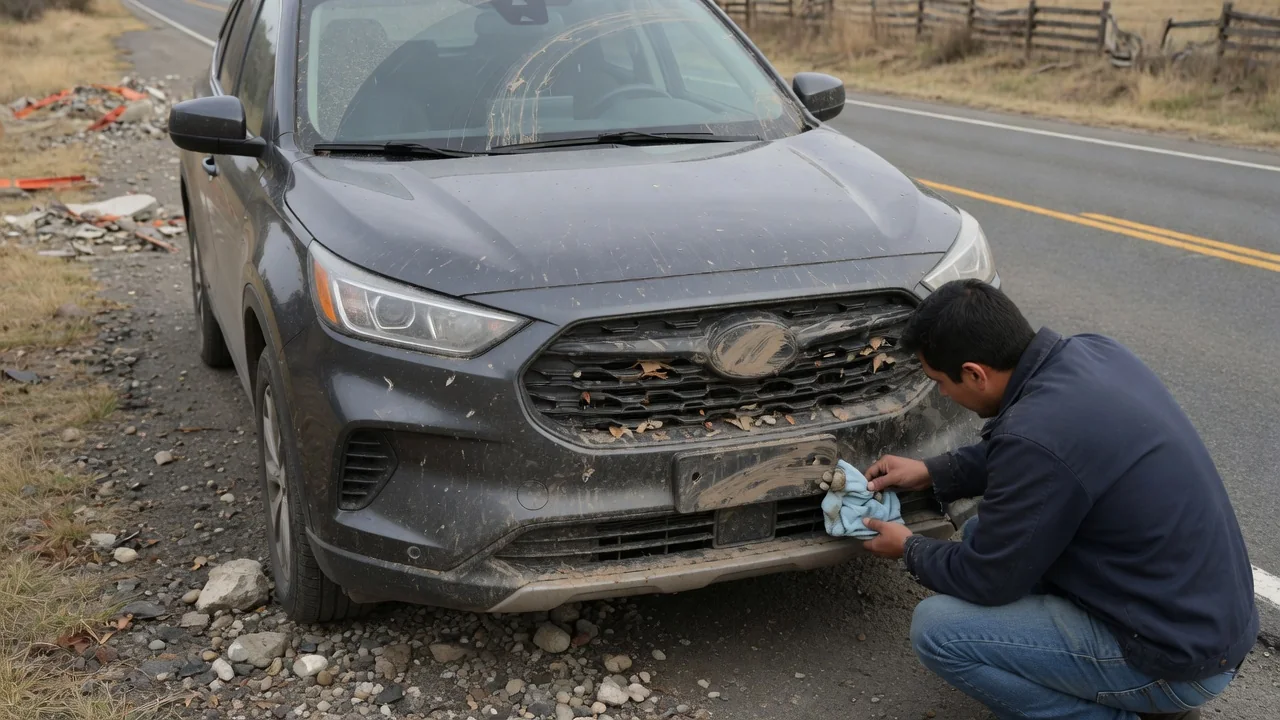
Modern vehicles use exterior sensors to support parking aids and driver assistance features. These include forward cameras, radar units, ultrasonic parking sensors and, on some models, lidar. Because they sit in bumpers, grilles, mirrors and behind the windshield, they face everything the road throws at them. Road debris can affect exterior sensors in two main ways: it can block their view temporarily, or it can damage them physically. Knowing which one you are dealing with tells you how to respond.
Blocked view: how dirt, snow and grime interfere with sensing
Cameras are the most sensitive to a blocked view because they need a clear optical path. A film of road salt, splashed mud, dried insects or water spots can blur lane markings, signs and the edges of other vehicles. This applies to the lens itself and to the windshield area in front of a forward-facing camera. Many systems monitor image quality, and when it drops too far they temporarily limit or switch off features such as lane keeping assistance. They usually also display a message asking the driver to clean the camera area. The exact wording, thresholds and affected features differ between manufacturers, so check the owner's manual for your vehicle.
Radar sensors usually sit behind a bumper cover, grille panel or emblem. They can see through thin layers of dirt and water. Thick mud, packed snow or ice, however, can weaken the signal enough that the system reports a blocked sensor and suspends functions such as adaptive cruise control or blind spot monitoring. Ultrasonic parking sensors are the small round discs set into bumpers, and they work by listening for sound echoes. A clump of slush or mud over one sensor can cause constant warning tones, false obstacle alerts or missed detections. Lidar units, where fitted, behave more like cameras and need a clean window.
A blocked view is usually reversible. Nothing inside the sensor has failed; the system is simply receiving poor information. Many systems are designed to recognize this and step back rather than act on bad data.
Damage: when debris causes lasting problems
Stones, gravel and other hard debris kicked up by traffic can cause damage that cleaning will not fix. A chip or crack in the windshield within a forward camera's field of view can scatter light and distort the image. Many vehicles require camera recalibration after windshield replacement so the system judges distances and lane positions correctly. Abrasive grit can also scratch or pit a camera lens or lidar window over time, producing glare and haze that remain even when the surface is clean.
Radar units are often mounted on brackets behind the bumper, and their accuracy depends on precise aim. A larger piece of debris, such as a chunk of tire tread or a fallen object, can crack the cover, bend the bracket or shift the sensor slightly. Even a small change in angle may cause the system to misjudge where other vehicles are or to store a misalignment fault. Repairs to the cover in front of the radar, including thick filler or repainting, can also affect how the signal passes through. For this reason, the vehicle maker typically specifies repair procedures for these areas.
Stones and curb-height debris can crack ultrasonic parking sensors, push them inward or knock them loose. Damage to the sensor face, housing or wiring behind the bumper can let in water and salt, which often causes intermittent faults that come and go with the weather. Road salt and grime can also corrode connectors over time and cause similar symptoms without any visible impact.
Cleaning exterior sensors safely
First, check the owner's manual for the location of each sensor and any cleaning guidance from the manufacturer. Some sensors are hidden behind panels or emblems and are easy to overlook. Rinse away loose grit first so it is not dragged across the surface. Then wash with water and a mild car wash solution, and wipe gently with a soft, clean microfiber cloth. The windshield area in front of a forward camera may also need cleaning on the inside if haze builds up.
Some cleaning habits can turn a blockage into damage. Scraping ice off a camera lens or radar cover with a hard tool can scratch or crack it, and abrasive polishing compounds can dull optical surfaces. Strong solvents may harm coatings or plastic covers unless the manufacturer approves them. With a pressure washer, keep the nozzle at a reasonable distance and do not aim a concentrated jet at sensors for long, following any distance guidance in the manual. Stickers, aftermarket accessories or thick protective films placed over sensor areas can create a permanent blocked view of their own.
In winter, warming up the vehicle and using any available defrosting or heating features loosens ice more safely than force. Some vehicles also have washer jets or heated elements for certain cameras or sensors. After cleaning, a blockage warning may clear by itself once the system rechecks its view, sometimes after a short drive or a restart. The exact behavior depends on the vehicle.
Practical implications and limits
To judge car sensor debris impact, watch what happens after a careful cleaning. If the warning disappears and stays away, the cause was most likely a temporary obstruction. A problem is more likely damage, misalignment or an electrical fault if the warning returns in clean, dry conditions or persists after a restart. The same applies if it appears together with visible cracks, chips or a loose bumper section. In those cases, the next step is a diagnostic scan for stored fault codes and an inspection by a qualified technician, not repeated cleaning.
Blockage detection also has limits, and a system will not necessarily warn about every partial obstruction. On muddy rural roads, in heavy snow or behind trucks spraying grit, expect driver assistance features to perform less well even when no warning is shown. These systems are aids, and the driver remains responsible for watching the road, checking mirrors and judging distances.
Some repairs are beyond simple home care. Realigning a radar sensor or recalibrating a camera typically requires specific equipment, targets and manufacturer procedures. Bending a bracket back by hand or reinstalling a sensor without the correct steps can leave the system inaccurate. Requirements vary widely between makes and models, so any repair after debris damage should follow service information for the specific vehicle. A shop equipped for advanced driver assistance work is another option.