How Automatic Emergency Braking Works: Sensors, Settings, Safety and Rules
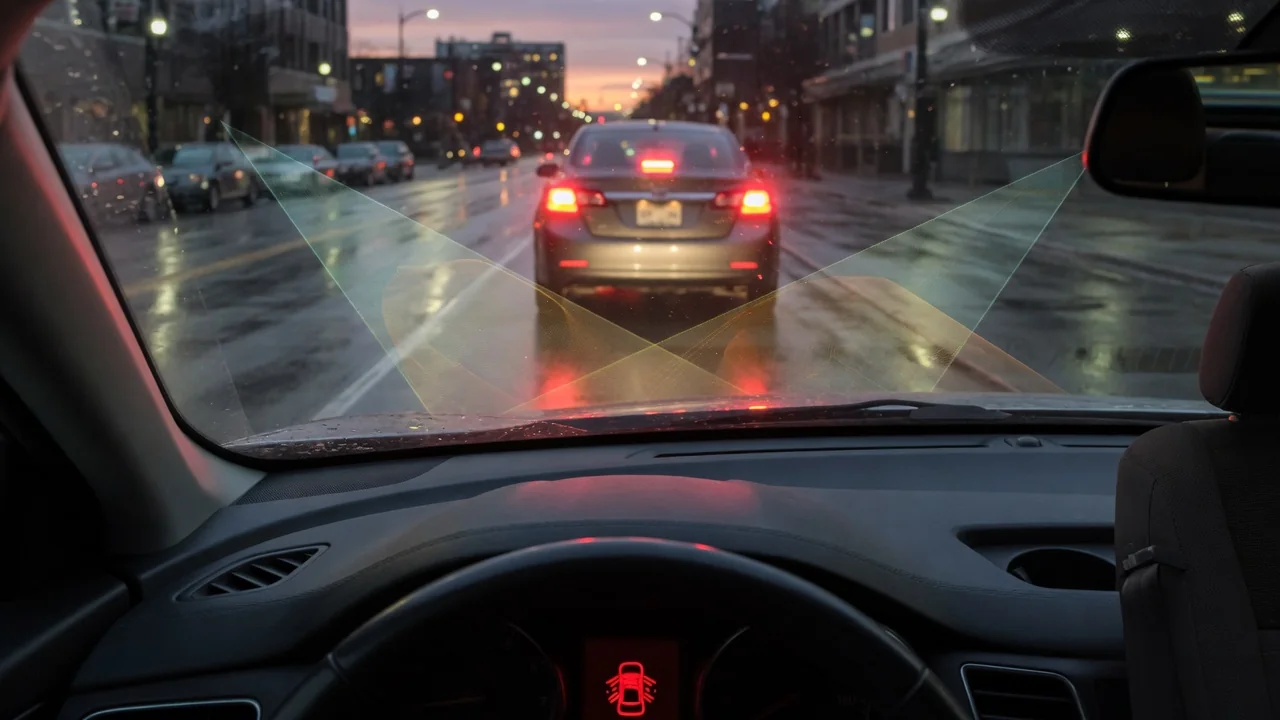
Automatic emergency braking has moved from a luxury option to equipment found on many everyday cars, SUVs and pickups. Knowing what the system can and cannot do helps drivers trust it appropriately. This guide explains how AEB senses hazards, how branded variants differ, how to check settings and warnings, how safety groups test it, what rules apply, and how to confirm whether a particular vehicle has it.
What Automatic Emergency Braking Is and What It Is Designed to Do
Automatic emergency braking, usually shortened to AEB, is a driver-assistance feature that monitors the road ahead and can apply the brakes on its own when a frontal collision appears likely and the driver has not responded in time. The front automatic emergency braking system is designed to avoid the crash or reduce impact speed so the collision is less severe. It is a backup layer within advanced driver assistance systems, not a substitute for watching the road and braking yourself.
When people say AEB or forward automatic emergency braking, they normally mean the forward-facing function, though some vehicles add reverse automatic braking for backing maneuvers. The typical sequence starts with a forward collision warning chime or display, then dynamic brake support that adds force if the driver brakes too gently, and finally crash imminent braking if no adequate response occurs. Speed ranges, detectable objects such as pedestrians or cyclists, and intervention strength vary by manufacturer and model, so the owner's manual remains the authority.
How AEB Works: Cameras, Radar and the Braking Decision
An automatic emergency braking system working in real traffic typically relies on a forward-facing camera, a radar sensor, or both. The camera is good at classifying shapes such as vehicles and pedestrians, while radar measures distance and relative speed well even in darkness. Some vehicles add lidar or use ultrasonic sensors for low-speed maneuvering. Software fuses these inputs to track objects, estimate closing speed and time to collision, and then decide whether to warn, pre-charge the brakes or brake automatically.
Low-speed city operation often aims to stop the car fully before contact, whereas high-speed automatic emergency braking frequently can only cut impact speed, because late detection and physics limit the available stopping distance. Braking is carried out through the same hydraulic, anti-lock and stability control hardware that manages normal stops, which helps keep the vehicle straight. Sensing can degrade in heavy rain, snow, fog, low sun glare, dirt or ice over the radar location, or windshield damage near the camera.
AEB Variants and Brand Names: Pre-Collision, Intersection and Enhanced Systems
Automakers market AEB under their own names, such as pre-collision assist with automatic emergency braking or collision mitigation braking, and the features behind each label differ. Intersection automatic emergency braking, where offered, tries to help when turning across oncoming traffic or crossing paths with vehicles at junctions, which demands wider sensor coverage. Enhanced automatic emergency braking usually describes added capabilities, such as broader speed ranges or detection of cyclists and motorcycles, so buyers should confirm exactly what a given trim includes.
Is brake assist the same as automatic emergency braking? No. Brake assist recognizes a panic stop from how quickly the driver presses the pedal and boosts braking force, but it acts only after the driver brakes. AEB can begin braking without any pedal input. Many vehicles combine both with forward collision warning. To verify which variants a car carries, check the window sticker, the official brochure for that model year or the owner's manual rather than trusting a marketing name.
Turning Automatic Emergency Braking On or Off and Checking Its Status
On many vehicles, AEB is enabled by default each time the car starts, so drivers asking how to turn on automatic emergency braking usually just need to confirm it has not been switched off. Driver-assistance settings typically live in the infotainment screen or instrument cluster menus, where warning timing or sensitivity can often be adjusted. Can automatic emergency braking be turned off? Some vehicles allow temporary deactivation that may reset at restart. For Model 3 automatic emergency braking or other specific models, consult the owner's manual and on-screen settings.
An AEB unavailable or sensor-blocked message usually means the system cannot see clearly or has detected an internal issue. Safe first steps include parking, cleaning the windshield area in front of the camera and the radar location in the grille or bumper, and watching whether the message clears after driving in better conditions. If warnings persist, especially after windshield replacement, bumper repairs or a collision, have a dealer or qualified shop diagnose it, because ADAS sensor calibration may be required.
Is AEB Safe? Limitations, False Activations and How It Is Tested
Is automatic emergency braking safe? Research from safety organizations has generally linked AEB to fewer rear-end crashes and reduced injury severity, but it cannot prevent every collision. Operating speed limits, poor visibility and objects the software does not recognize all set boundaries. Known limitations include phantom braking, where the car slows for a harmless overpass, shadow or roadside object, and missed detections of real hazards. Report unexpected braking to a dealer, and stay ready to brake yourself.
Automatic emergency braking test programs from IIHS and NHTSA typically drive the vehicle toward targets at set speeds, including stationary or moving vehicle targets and pedestrian dummies, sometimes in darkness. IIHS automatic emergency braking evaluations have evolved over time to include tougher scenarios. For automatic emergency braking statistics, look for the latest published research from these organizations rather than fixed figures that may be outdated. Never test AEB intentionally on public roads; keep a safe following distance and stay attentive.
AEB Rules, Standards and History: Is Automatic Emergency Braking Mandatory?
Is automatic emergency braking mandatory? In the US, automakers first made a voluntary commitment to make AEB standard on most new light vehicles, and NHTSA later issued a federal automatic emergency braking rule. That NHTSA rule sets performance requirements within the FMVSS framework, including avoiding contact with a vehicle ahead and pedestrian detection in defined scenarios. Compliance dates and requirements can be revised, so check NHTSA directly for current status. Other regions follow their own automatic emergency braking standard and timelines.
When was automatic emergency braking introduced? The technology developed gradually: collision warning and brake-support systems came first, followed by systems able to brake automatically, initially on luxury models before spreading to mainstream cars. Because definitions of early systems vary, naming a single first car with automatic emergency braking is difficult. Growth in the AEB market reflects falling sensor costs, crash-test ratings that reward the feature, insurer interest, regulatory pressure and buyer demand for driver assistance.
Which Cars, SUVs and Trucks Have Automatic Emergency Braking
Which cars have automatic emergency braking? Many recent cars, SUVs and pickup trucks include it, but whether it is standard or optional varies by model, year and trim. To confirm what vehicles have automatic emergency braking, check the window sticker, manufacturer spec sheets, a VIN-based equipment lookup or the owner's manual. When comparing SUVs, also check whether pedestrian detection, reverse braking or intersection capability is included. Heavy trucks and commercial vehicles may follow different rules and system designs.
Automatic emergency braking cars in India and other markets may use different names, sensor packages and trim allocations than US versions of the same model, so check local manufacturer specifications rather than assuming equipment carries over. Used-vehicle buyers should confirm the system is active in the settings menu, that no AEB or forward collision warning lights appear during a test drive, and that any prior windshield or front-end repairs were followed by proper calibration. A pre-purchase inspection adds confidence.