How a car heating system works
The essential answer
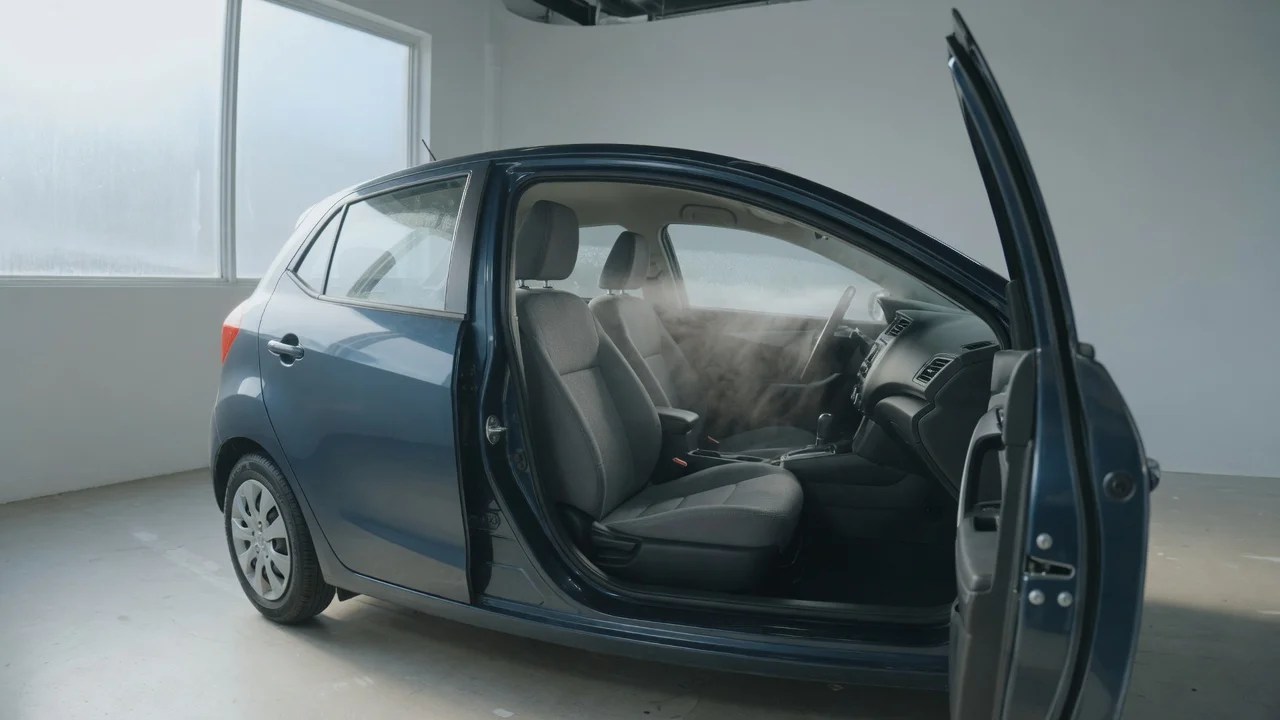
A conventional internal-combustion car heater works by capturing waste heat from the engine cooling system. Hot engine coolant is routed through a small radiator called the heater core inside the passenger compartment. A blower fan pushes air across the heater core, and the warmed air enters the cabin through the dashboard vents. This covers the dominant heating method in petrol and diesel vehicles. Electric vehicles may use a different approach, such as a resistive heater or a heat pump, because they do not have a large amount of predictable engine waste heat.
How the system works
In an engine-powered car, the heating system uses the engine cooling circuit rather than a separate fuel-burning heater. Coolant absorbs heat as it moves through the engine. When the driver requests cabin heat, a valve or blend door allows hot coolant to flow into the heater core. The heater core is mounted inside the ventilation housing, normally behind the dashboard. Air from outside or from the cabin is directed over the core, gains heat, and then exits through the selected vents. Temperature is adjusted by controlling coolant flow, mixing cold air with heated air, or changing the position of an air-blend door.
The practical effect is that cabin heat depends on engine temperature. This is why a car can feel cold for the first several minutes after a cold start. Poor coolant level, a stuck thermostat, air trapped in the cooling system, or a blocked heater core can reduce or eliminate cabin warmth even when the engine is running normally.
Strengths, limitations and suitability
The main strength of engine-coolant-based heating is that it reuses heat that the engine is already producing, so it adds little additional fuel consumption once the engine is warm. The design is also relatively simple and has few dedicated moving parts beyond the blower motor and temperature-control doors.
The key limitation is slow warm-up in cold weather. Useful heat is not available until the coolant temperature rises, and at idle in very low temperatures this can take longer. A secondary limitation is sensitivity to cooling-system health. A small coolant leak or a partly restricted heater core can produce weak cabin heat even when the engine itself is not overheating. This type of heating suits conventional petrol and diesel vehicles best. Hybrid and electric vehicles may supplement or replace it with electrical heating, while some diesel vehicles use an auxiliary electric or fuel-powered heater to improve cold-weather comfort.
Editorial judgment based on common automotive design practice is that engine-based cabin heating is well suited to drivers who mostly operate a warmed-up engine and want low-complexity, efficient use of waste heat. It is less suited to very short trips in cold climates, where the cabin may never reach a comfortable temperature before the journey ends. Reported performance in specific models varies, and manufacturer data should be checked for cold-weather heating options or auxiliary heater availability.
Common symptoms and diagnostic checks
If cabin heat is weak, the first check is engine operating temperature. If the temperature gauge stays low, a faulty thermostat or low coolant level is a plausible cause. If the engine reaches normal temperature but the heater still blows cool air, possible causes include a blocked heater core, air in the cooling system, a failed blend-door actuator, a faulty heater control valve, or a blower motor unable to move enough air.
Check the coolant level in the expansion tank when the engine is cold; low coolant can prevent hot liquid from reaching the heater core. Check whether both heater hoses at the firewall become warm with the engine at operating temperature; one hot and one cool hose can indicate a restricted heater core. Check whether moving the temperature control changes outlet air temperature; if not, a blend door, actuator or control issue is more likely than a cooling-system fault. Check for a sweet smell or film on the inside of the glass; this can indicate a heater core leak.
A fault code should be treated as evidence to investigate rather than proof of a failed part. For example, a climate-control actuator code may point to a broken door, a failed actuator motor, or a lost calibration. If the coolant is contaminated, if the engine overheats, or if there is a visible coolant smell or vapor inside the cabin, stop using the vehicle and seek professional diagnosis. Heater core replacement can require major dashboard removal and is often a professional-service job.
Maintenance and operating checks
Manufacturer guidance should be followed for coolant type, replacement interval and bleeding procedure. Before checking or topping up coolant, allow the engine to cool fully and never open a hot pressurized cooling-system cap. A general completion check is that the cabin produces warm air within a normal warm-up period, that both heater hoses warm up, and that there is no coolant smell or wetness inside the vehicle.
Basic cold-engine check sequence: 1) Confirm the engine is cold and the vehicle is level. 2) Check the coolant expansion tank level against the minimum and maximum marks. 3) Top up only with the approved coolant mixture if permitted by the owner's manual. 4) Start the engine and set the heater to maximum heat with the fan on a low or medium setting. 5) Wait for the engine to reach normal operating temperature. 6) Confirm that outlet air becomes warm and that both heater hoses at the firewall feel warm. 7) Check that temperature adjustment changes the outlet air temperature.
Electric and hybrid heating differences
Battery-electric vehicles often use a resistive heating element, sometimes called a PTC heater, to warm cabin air or a liquid heating circuit. Some use a heat pump to transfer heat from outside air or from vehicle components, which can improve cold-weather efficiency. Hybrid vehicles may retain engine-based heating while also using an electric heater when the engine is off. The result is that warm air can arrive sooner than in a conventional engine-only system, but electric heating consumes battery energy and can reduce cold-weather driving range.
What to remember
A conventional car heater is part of the engine cooling system, not a separate combustion heater. It reuses waste heat through the heater core and blower motor. Weak or absent heat usually points to low coolant, a cooling-system problem, a blocked heater core, or a ventilation-control fault. Checking coolant level and heater hose temperature can separate common causes, but heater core replacement and cooling-system pressure work require professional care.