Honda’s luxury car division
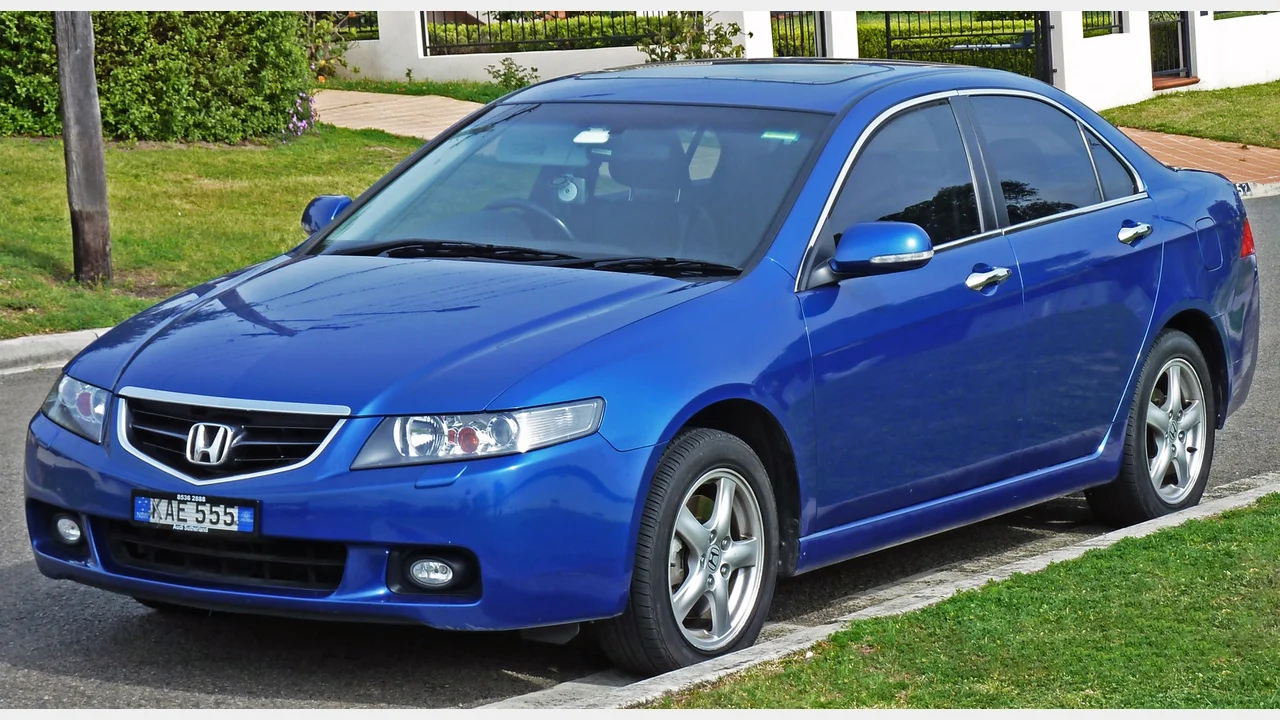
Honda’s luxury car division operates under the Acura nameplate, a distinct brand created for North American buyers seeking premium vehicles without abandoning Honda’s engineering foundation. Understanding what Acura represents means looking beyond badges at how a separate luxury channel shapes vehicle class, powertrain layout, seating layout, and market segment expectations. Each Acura model generation refines this relationship between attainable quality and upscale body configuration, helping shoppers decide whether the division’s interpretation of luxury fits their driving priorities.
Essential answer
The direct answer is Acura, established as Honda’s dedicated premium marque. Rather than selling upscale cars under the Honda name, the company created a separate division with its own showroom experience and design language. This distinction matters because Acura vehicles are engineered and marketed as a different market segment, even when they share underlying platforms or development resources with Honda products. The division was an early example of a Japanese automaker formalizing a luxury channel for North America.
Acura’s scope includes sedans and SUVs spanning several vehicle classes, from compact sport sedans to three-row family crossovers. Although the brand has changed its model generation strategies over time, the core idea remains consistent: deliver premium materials, advanced features, and a more focused driving experience than the mainstream lineup. That does not mean every Acura is mechanically unique, but the division’s positioning and available body configurations separate it from typical Honda-badged alternatives.
How it works
The operating principle behind Acura is brand differentiation through product tuning and presentation. A luxury division works by selecting specific vehicle classes and seating layouts that appeal to buyers who want more refinement, then applying distinct suspension calibration, noise isolation, and interior appointments. The practical effect is a car or SUV that may share its basic powertrain layout with a Honda but delivers a different feel behind the wheel and in daily comfort.
This approach also influences how technology reaches the market. Acura often introduces advanced driver assistance, lighting, or chassis systems before they appear across the broader Honda range. The division uses its market segment positioning to justify more elaborate standard equipment and design details. Buyers therefore experience the luxury division as a curated product line where engineering choices emphasize perceived quality, stronger performance in some trims, and a more distinctive visual identity.
Strengths, limitations and suitability
A key strength of Honda’s luxury car division is its emphasis on value relative to established European competitors. Acura models typically deliver strong straight-line performance, especially turbocharged or hybrid variants, while preserving sensible interior packaging and straightforward controls. The seating layout usually balances sporty front-seat positioning with usable rear passenger space, making many models practical daily transport rather than purely emotional purchases.
The main limitation is brand positioning. Acura has not always matched the prestige or material richness associated with some German rivals, and its smaller product range means fewer niche body configurations. Shoppers who prioritize a plush, isolated ride may find certain model generations tuned firmer than expected. Acura suits buyers who value reliability, technology, and engaging dynamics within a premium wrapper but do not require the strongest luxury badge recognition.
Procedure
When shopping for a vehicle from Honda’s luxury car division, begin by identifying the vehicle class that matches your household needs. Compare sedans, compact SUVs, and larger crossovers while noting how powertrain layout affects cargo and traction behavior. Review the seating layout in person, because a sport sedan’s rear legroom differs meaningfully from a mid-size SUV even when both wear the same badge.
Next, test drive examples from different model generations to understand how tuning and technology have evolved. Pay attention to ride composure, steering feedback, cabin noise, and seat comfort during extended driving, not just a short route. After driving, confirm that the infotainment and driver assistance interfaces feel natural for your daily use. This practical evaluation helps you connect the division’s luxury promise to the specific body configuration and features you will actually live with.
Diagnosing a problem
If a shopper is confused about why an Acura feels similar to a Honda yet costs more, the answer often lies in calibration, feature content, and sound insulation rather than visible hardware alone. The same base platform can produce very different refinement depending on suspension tuning and material choices. Test both brands back-to-back on rough pavement and at highway speed to isolate those differences before assuming the vehicles are identical.
When comparing a used model, pay particular attention to model generation changes and available equipment rather than relying on the badge alone. A symptom such as excessive road noise or a stiff ride may reflect the intended sport character of that generation, not a defect. If a warning light appears during a test drive or shortly after purchase, treat it as evidence to investigate through proper vehicle-specific diagnosis rather than proof of a major failure.