Honda Pilot Check Engine Light: Causes and Safe Next Steps
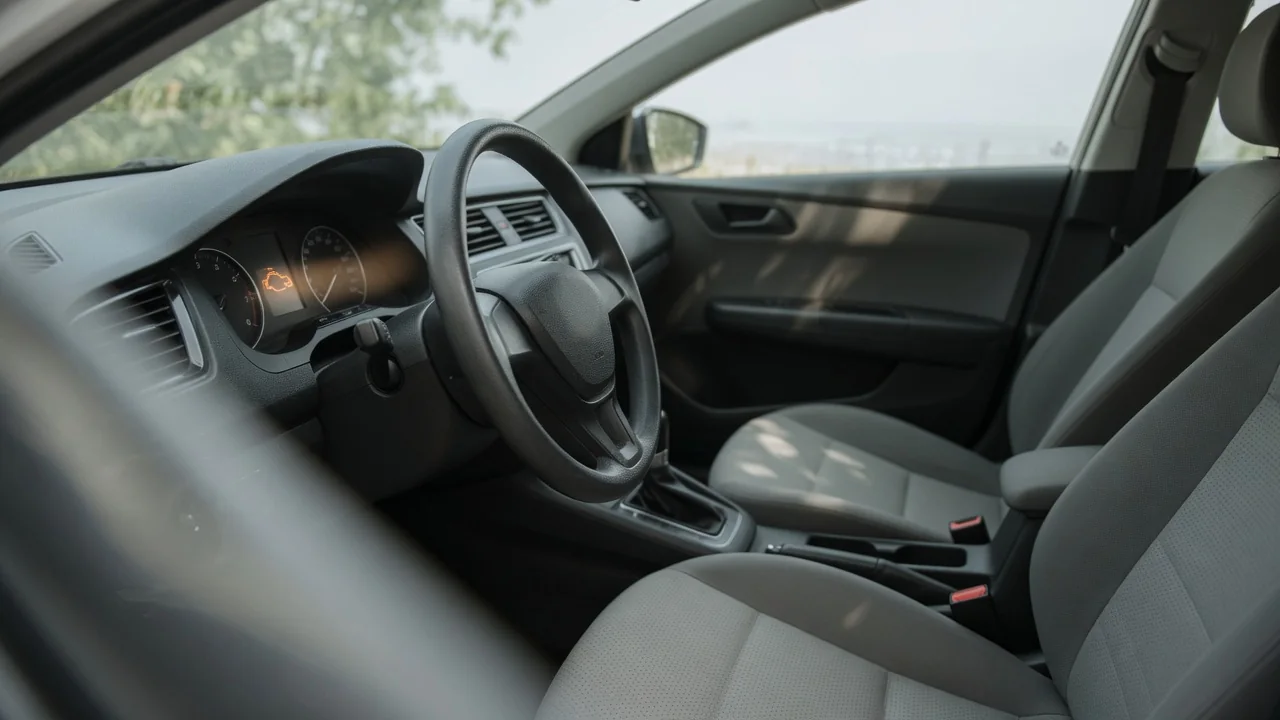
When a check engine light comes on a Honda Pilot, the malfunction indicator lamp reports that the powertrain control module detected an engine-management or emissions concern. The warning can appear as a check engine light in Honda Pilot models of several generations, including a 2011 Honda Pilot. The lamp does not name a failed part. Recording engine behavior and having stored codes interpreted for the exact vehicle is the practical next step.
What the Honda Pilot Check Engine Light Can Tell You
A Honda Pilot check engine light is the engine-shaped malfunction indicator lamp, not the maintenance minder that reminds you of scheduled service and not an oil-pressure, temperature, or brake warning. When that symbol stays illuminated after startup, the control module has logged a condition it considers outside expected engine or emissions operation. The light is a request for diagnosis, not a verdict that a sensor, catalytic converter, or ignition part has already failed. A technician still has to match symptoms, stored diagnostic trouble codes, and operating data to the vehicle in front of them.
Before treating any list of possible causes as a ranking, note the Pilot's model year, current mileage, and any recent fuel, oil, or emissions-related service. Whether the check engine light on Honda Pilot remains on continuously, comes on after a drive cycle, or appears only briefly after a cold start changes how a shop will look at pending versus confirmed faults. Treat evaporative leaks, misfires, mixture problems, and catalyst-efficiency concerns as diagnostic possibilities rather than a ranked list. None of those patterns is established as the most common failure on this model.
Steady or Flashing: Decide Whether to Stop Driving
A flashing check engine light in a Honda Pilot can mean an active engine misfire is dumping unburned fuel into the exhaust, which can overheat and damage the catalytic converter. If the lamp flashes persistently, or if the engine shakes, loses power, or runs severely rough, pull over when it is safe and arrange assistance rather than continuing the trip. A misfire is a combustion event that did not complete as commanded; driving through a hard misfire is a catalytic-converter risk, not merely an inconvenience. Do not keep accelerating to clear the warning.
A steady Honda Pilot check engine light still deserves prompt scanning even when the engine feels normal. Smooth operation does not prove that mixture, evaporative, or catalyst-efficiency faults are harmless to continue living with. Stop as soon as it is safe and seek help if temperature climbs into an overheat warning, an oil-pressure lamp appears, you see smoke, or a strong fuel odor is present. Those conditions sit outside a simple malfunction-indicator decision and can indicate a leak, lubrication, or cooling problem that should not be driven through.
Possible Triggers Behind a Pilot Engine Warning
If the check engine light on a Honda Pilot, including a 2011, comes on after refueling, the evaporative emissions system is a reasonable first suspicion, not a confirmed failure. A loose, missing, or damaged fuel cap, where that design is fitted, can let vapor escape and set a leak-related code. Cracked hoses, a failed purge or vent component, or a sealing problem at the tank can produce the same lamp. The timing after a fill-up is useful context; it still does not prove the cap is the only leak path.
An engine misfire can originate in ignition, fuel delivery, or mechanical sealing, so a rough idle or stumble is not enough to pick a coil, injector, or plug from the driveway. Unmetered air leaks, fuel-trim corrections that stay unusually rich or lean, and faulty oxygen sensor readings or circuit faults can set related mixture codes without a single failed part being obvious. Catalyst-efficiency codes deserve the same caution. Before anyone recommends a converter, operating conditions and upstream misfire, fuel, or sensor problems need checking, because a catalyst often reports another fault's result.
Details That Matter on a 2011 Honda Pilot
A 2011 Honda Pilot check engine light should be interpreted with that vehicle's age and service record attached, not as a generic SUV warning. Write down current mileage, when oil was last changed, whether the level has been low, and whether roughness appears at idle, under load, or only when cold. Those notes help a technician decide which monitors and freeze-frame data matter. Age can dry hoses, harden seals, corrode connectors, and weaken ignition components, but none of that is an automatic failure just because the calendar says 2011.
If a 2011 Pilot is misfiring, professional testing is what separates a spark problem from a fuel-delivery problem from a mechanical issue such as compression or valve sealing. Guessing from a single symptom wastes parts and can leave the original fault in place. Any stored diagnostic trouble code, especially a manufacturer-dependent Honda definition, must be confirmed against service information for that exact model year, engine, and calibration. A code number is evidence to interpret. It is not proof the named component failed, and generic scanner steps may not match Honda's procedure.
Safe Observations to Make Before the Appointment
Before the appointment, write down whether the Honda Pilot check engine light appeared after refueling, during startup, at idle, or under acceleration. Do not recreate hard misfires, overheating, or other unsafe conditions just to gather notes. With the vehicle parked and the engine off, confirm that a fitted fuel cap is fully secured and look for a cracked or flattened seal. A cap that was left loose is worth correcting, but that observation is still only one possible evaporative-path clue, not a completed repair.
Also record rough idle, hard starting, unusual exhaust or fuel odors, a change in fuel economy, and any other warning lamps that came on with the malfunction indicator. Resecuring a cap, if that was the issue, may not turn the light off immediately; evaporative monitors often need several complete drive cycles before they pass. Do not disconnect the battery or clear stored diagnostic trouble codes before the shop sees the vehicle. Erasing memory can wipe freeze-frame data and pending status that show the conditions present when the fault set.
Use Scan Results to Plan the Next Diagnostic Step
A basic code read is only the start of explaining a check engine light on a Honda Pilot. Stored diagnostic trouble codes show faults the module has confirmed; pending codes show conditions that have not yet matured; freeze-frame data captures engine speed, load, temperature, and related snapshots from the moment the fault set. Keep the exact code numbers and their status rather than relying on a scanner's short phrase, which can oversimplify a circuit, rationality, or efficiency test. That list tells a technician where to look, not which part to replace.
From that evidence, professional testing may include reviewing misfire counters, comparing fuel trim at idle and under load, checking evaporative-system integrity, or verifying oxygen sensor readings and their circuits. Those steps exist because two vehicles can share a similar code and still need different repairs. After work is done, confirmation means watching whether the concern returns and whether the relevant monitors complete, not simply turning the lamp off with a scan tool. Clearing the light without that check can hide a recurring Honda Pilot check engine light until the next drive cycle.