Honda Manual Transmission Fluid: Requirements and Change Basics
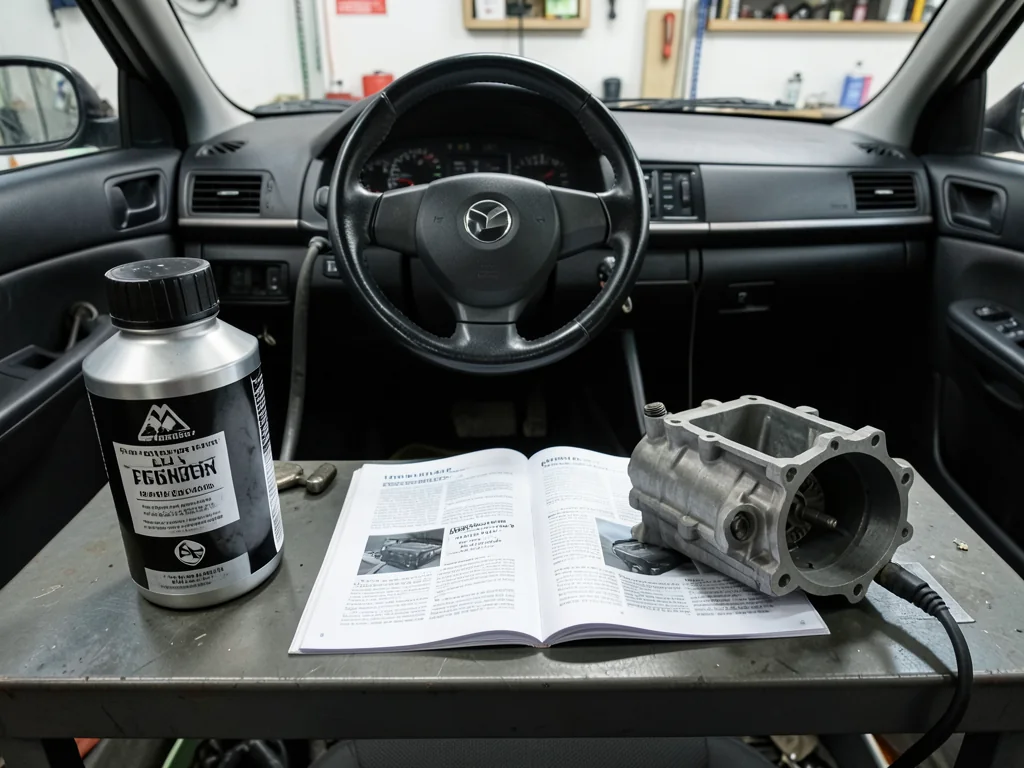
Choosing Honda manual transmission fluid shouldn't be guesswork. The right product depends on the manual gearbox actually installed in the car, the fluid specification in its service documentation, and what has already been added over the years. This guide covers how to confirm the requirement and what genuine Honda manual transmission fluid labeling tells you. It also explains why engine oil substitution is still debated and what a proper fluid change should include.
Identify the Fluid Requirement for Your Honda Manual Gearbox
Start with the vehicle identification number, model year, model name, and the market the car was built for. These details decide which owner's manual, parts catalog, and service information apply. Honda has used different manual gearboxes across platforms and generations. Two cars that look alike can have different transmissions, and export or regional versions sometimes differ from domestic ones. The transmission identification code, found on the case or in parts records, ties the car to the correct documentation.
The owner's manual usually lists the required fluid designation in its specifications or maintenance section, and service information for the specific transmission confirms it. Don't assume every Honda manual gearbox takes one universal formulation. Replacement history matters too. A salvaged, swapped, or rebuilt gearbox may not match what the car left the factory with. If you don't know its history, confirm the installed unit's identification before buying fluid, so the recommendation you follow actually applies to that transmission.
Check Genuine Honda MTF Labeling and Application
Genuine Honda Manual Transmission Fluid, often shortened to MTF, is a Honda-branded lubricant made for manual gearboxes. The product name alone doesn't prove it suits every application. Fluid designations can change over time, and a particular transmission may call for a specific version or a different product entirely. Treat the brand name as a starting point, not a final answer, especially on older or less common models.
Before buying, compare the designation printed on the container with the one in the applicable Honda documentation. Unfamiliar packaging, labels in another language, or an older part number can make a legitimate product look wrong, or make the wrong one look right. A Honda parts department can look up the current part number from the VIN and confirm whether an older designation has been superseded. Keep a note of that confirmation with your maintenance records.
Understand the Limits of Engine Oil Substitution
Advice to use engine oil in a Honda manual gearbox may come from documentation for certain vehicles, older recommendations, or allowances for temporary use. Forum posts often repeat these claims without saying which car or which condition they came from, so check each one against the documentation for your exact application. Gear lubrication depends on more than thickness. Synchronizer operation relies on controlled friction between the synchro rings and the gear cones, and lubricant additives affect both that friction and wear protection.
A viscosity marking such as 10W-30 only describes how the oil flows. It says nothing about friction behavior or additive chemistry, so it can't prove gearbox suitability. Where documentation does allow engine oil, check for restrictions such as temporary use only or a required change back at the next service. If an undocumented substitute is already in the gearbox, record what was added, roughly how much, the date and mileage, and any change in shift quality. Then ask a qualified technician whether to drain and refill.
Verify Whether an Alternative Fluid Meets the Requirement
To evaluate an alternative fluid, get its technical data sheet and compare the viscosity, stated performance specifications, and intended applications with the fluid requirement in your vehicle's documentation. Keep in mind that a supplier saying a fluid is suitable is not the same as the manufacturer approving it. Marketing wording can suggest an endorsement that doesn't exist. Rely on what the vehicle documentation actually requires, not on how confidently the product is described.
Broad claims like "manual transmission compatible" don't settle much. Manual gearboxes differ in synchronizer materials, internal clearances, and design, and some call for gear oil while others need a much lighter fluid. When the fluid history is unknown, don't top up with a different product and hope the two blend well. Get guidance for your specific transmission first. A technician may recommend a full drain and refill with the documented fluid, which gives you a known starting point.
Plan a Fluid Change and Recognize When Diagnosis Is Needed
Follow the maintenance schedule or the maintenance minder instructions for your car rather than a universal change interval, and note any severe-service conditions it describes. Fill quantity, the conditions for checking the level, sealing washers or gaskets, and drain and fill plug tightening specifications all depend on the transmission, so they have to come from its service information. A service appointment should confirm the correct fluid and a correct fill level, include a leak inspection, and record the exact product and designation used on the invoice.
You can safely note when problems happen, such as hard shifting when cold, grinding in one particular gear, whining at certain speeds, or drips where you park. These observations help, but they can't prove the fluid is at fault. Clutch hydraulics, worn synchronizers, and shift linkage problems can cause similar symptoms. Persistent symptoms, a substantial leak, or trouble getting into gear call for a professional assessment. A fluid change can't reverse worn synchros, bearings, or gears.