Honda CR-Z Hybrid Battery Replacement: Symptoms, Options and Costs
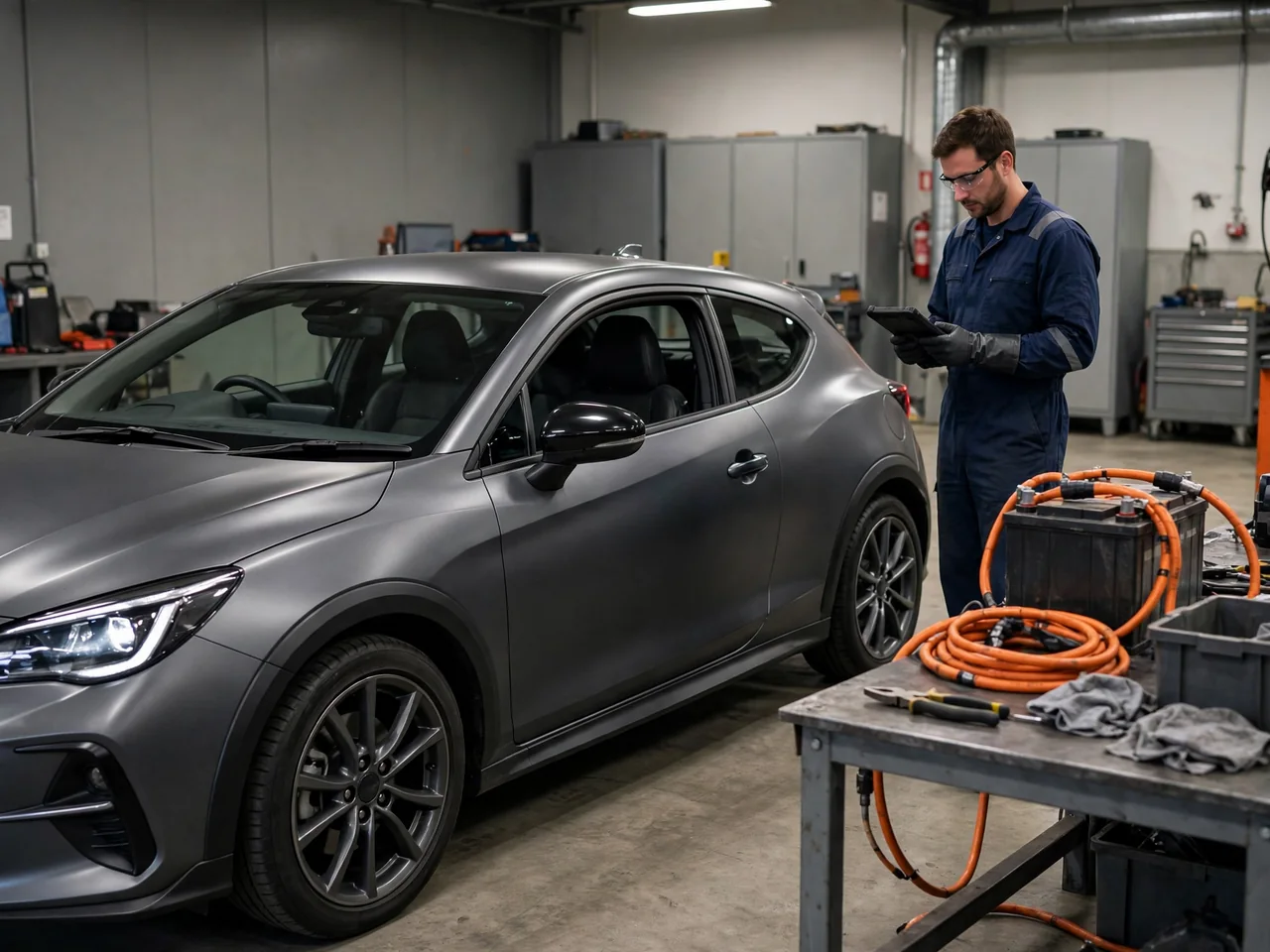
When the Honda CR-Z's Integrated Motor Assist (IMA) battery weakens, owners face confusion about symptoms, replacement choices, and cost. The high-voltage pack behind the seats is not a simple starter battery. Understanding how it works, what failing signs to watch for, and which replacement options fit your model year prevents expensive missteps. This guide explains the system, diagnosis, options, and factors that shape a hybrid battery replacement.
What the Honda CR-Z Hybrid Battery Does in the IMA System
The Honda CR-Z uses Integrated Motor Assist, where a thin electric motor sits between the engine and transmission. The high-voltage battery pack supplies energy to this motor for brief acceleration assist and stores electricity captured during regenerative braking. It does not start the engine or power lights; that job belongs to the separate 12-volt auxiliary battery under the hood. Owners sometimes confuse the two, but a weak 12-volt battery can mimic IMA problems and must be ruled out first.
The IMA battery pack sits behind the front seats, under a metal cover with orange high-voltage cables. That orange color means danger: the pack can deliver a fatal shock even when the car is off. Never open, probe, or touch the pack. Because CR-Z model years may use different cell chemistries or part numbers, confirm your exact pack by VIN with a Honda dealer or hybrid specialist before ordering anything. A car with a weak pack can still drive, but assist fades and fuel economy drops, so inspection is wise once symptoms appear.
Warning Signs of a Weak or Failing CR-Z IMA Battery
Common warning signs include the IMA warning light, a check engine light, a charge gauge that swings from full to empty rapidly, weaker acceleration, the engine running more often than before, and a noticeable drop in fuel economy. Any of these can point to the high-voltage battery, but none is proof alone. A failing 12-volt battery, corroded connectors, a blocked battery cooling fan, or a faulty control module can trigger identical complaints.
Keep a simple log for your technician: note when symptoms occur, outside temperature, how the car was driven (city vs. highway), and any dashboard changes. Long periods of sitting can leave the pack at a low state of charge because the IMA battery slowly self-discharges and the car may not recharge it until driven. A professional can distinguish a deeply discharged but healthy pack from one with permanently weak cells.
Diagnosing the Problem Before You Pay for a New Pack
Start with a scan tool that can read Honda hybrid system data, not just generic OBD-II codes. Trouble codes in the IMA system often need Honda-specific definitions; the same code number can mean different things on other makes. A professional will review live data such as pack voltage, current, temperature, and individual cell or block voltages. Comparing sections of the pack against each other often reveals a weak cell group without guessing.
Clearing codes or resetting the IMA light does not fix a weak battery, and a generic reader cannot see the same live data a Honda diagnostic tool can. Ask for a written diagnosis with test results before approving a full pack replacement. This paperwork should show which values are out of range and why the shop concluded the pack, not a wiring or cooling fault, is the root cause.
CR-Z Hybrid Battery Replacement Options Explained
Replacement packs come in several types. A new pack from Honda matches the original exactly but tends to be the most expensive. New aftermarket packs may offer lower cost but vary in cell source and quality. Remanufactured packs are rebuilt with tested components, while reconditioned packs typically have weak cells replaced and the remaining ones balanced. Used or salvage packs are the cheapest but carry the most uncertainty about history and remaining life.
Before buying, confirm exact fit for your model year and VIN, where the cells came from, how they were tested, and what paperwork comes with the pack. Ask about the warranty: what it covers, for how long, and whether a core return is required. Reconditioning or cell balancing can extend life in some cases, but it is not a guaranteed long-term fix. A professional diagnosis should determine whether your pack is a candidate.
Factors That Affect Honda CR-Z Hybrid Battery Replacement Cost
The total cost of a CR-Z hybrid battery replacement includes more than the pack price. Diagnostic fees, labor time, core charges or credits, and any related parts found faulty during the job add up. For example, a weak cooling fan or damaged high-voltage cable discovered during replacement must be addressed. The choice of pack type changes the parts cost, but labor is often similar.
Where you live and which shop you choose also affect the final bill. Independent hybrid shops often charge less than dealers but may have less access to new Honda packs. Get itemized written quotes from at least two shops and ask what warranty comes with both parts and labor. Weigh the car's overall condition, mileage, and other upcoming repairs. A healthy CR-Z with low miles may justify a new pack, while a rusted high-mileage example might not.
High-Voltage Safety and Why This Is a Professional Job
The CR-Z IMA battery carries dangerous high voltage. Owners should never try to open, remove, test, or otherwise touch the pack or its orange cables. Even with the ignition off, the pack can retain a lethal charge. Trained technicians use insulated tools, protective equipment, and specific procedures to power down the system safely. Those procedures are not for do-it-yourselfers.
What you can safely do is note warning lights, keep the 12-volt battery in good condition, and avoid any work around orange high-voltage cables. If a pack is damaged, leaking, or overheating, park the car away from structures and call a qualified hybrid shop. Old packs must be recycled or disposed of under local rules; most shops handle this as part of replacement.
Choosing a Shop and What to Expect After Replacement
When choosing a shop, ask directly: Do you have experience with Honda IMA hybrids? Which scan tools do you use? Which pack source do you prefer and why? What are your warranty terms for parts and labor? A shop that hesitates or gives vague answers may not have the right training. Experience with other hybrids does not always translate to the CR-Z's specific system.
After installation, ask about a relearn or check-out drive. Some cars need the IMA system to learn the new pack's characteristics before assist feels normal. In the first weeks, watch whether warning lights stay off, the charge gauge behaves smoothly, and acceleration and fuel economy return to expected levels. Keep all invoices, part numbers, and warranty documents in case a claim becomes necessary.