Honda CR-V Shift Lock Release: How to Release the Selector
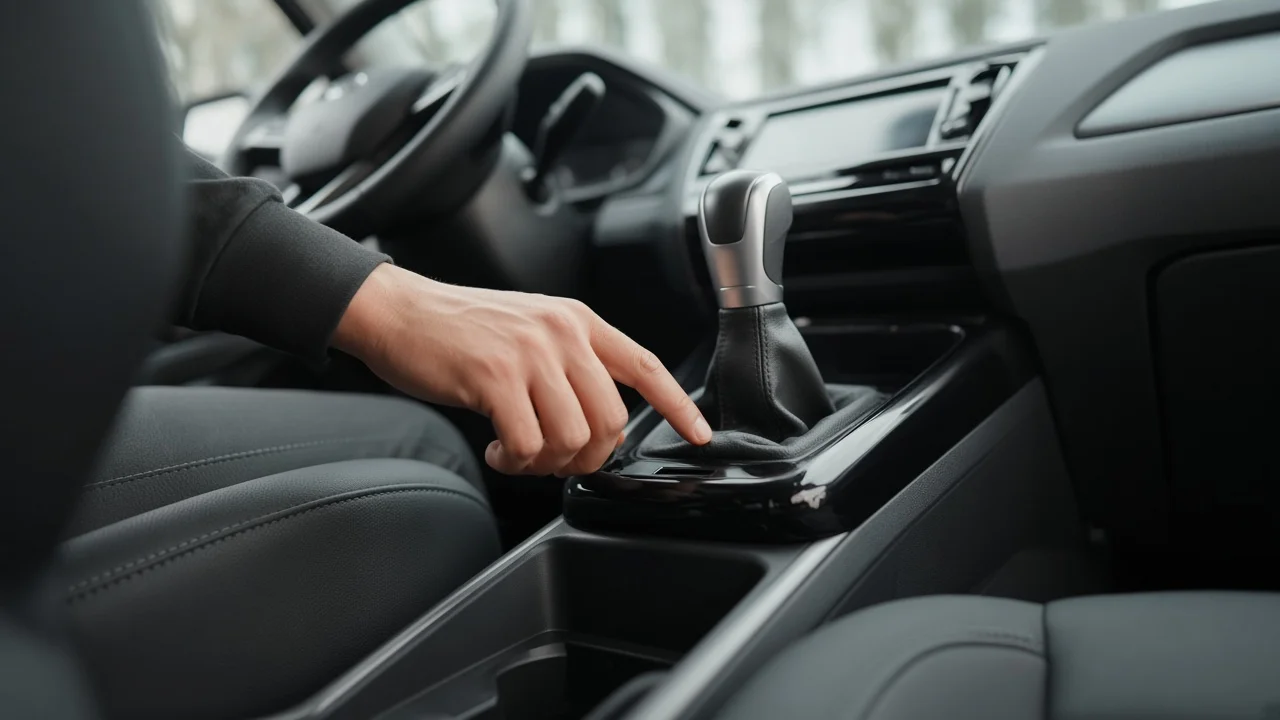
When a Honda CR-V refuses to come out of Park, the shift lock release lets you move the selector manually so the vehicle can be pushed, loaded onto a tow truck or repositioned. This guide explains where the override is usually found, how it is generally used, and what a stuck selector may indicate. Exact steps vary by model year, transmission type and ignition style, so treat the owner's manual for your vehicle as the final reference.
When you actually need the override
The shift interlock is designed to keep the selector locked in Park until the ignition is on and the brake pedal is pressed. It prevents the vehicle from being knocked into gear by accident. When that system cannot release the lever, the manual override bypasses it mechanically.
Typical situations include a dead battery, a CR-V that must be pushed out of a garage or winched onto a flatbed, and a lever that stays locked even though you are pressing the brake. Before you start, consider your constraints. The vehicle should be on level ground or have its wheels chocked, you need the ignition key or the mechanical key hidden inside the remote, and a helper is useful if the vehicle will roll once it is in Neutral.
Identify your CR-V's transmission and selector
The CR-V has used different transmission types and selector layouts over its generations. Earlier models used a conventional stepped automatic, while US models from the 2015 model year onward use a CVT. Selector placement has also changed: depending on generation and market, the lever may be on the steering column, on the lower dashboard or on the center console. The release slot is normally close to the lever, so its position follows the selector layout.
Ignition style matters too. Keyed models use the ignition key in the release slot, while push-button start models use the mechanical key stored inside the remote. Confirm the model year from the VIN or registration and read the shift lock section of the matching owner's manual. Fluid specification differs between stepped automatics and CVTs, which matters for servicing, but fluid has no role in the shift interlock and adding fluid will not free a locked selector.
How the shift lock release is generally used
Honda's procedure follows a common pattern across many models. Set the parking brake firmly and turn the vehicle off; on keyed models, remove the key from the ignition. Find the small cover for the shift lock release slot next to the selector. Wrap the tip of a small flat-blade screwdriver in cloth and gently pry the cover off so the trim is not scratched.
Insert the key into the slot and push down on it. While holding the key down, press the release button on the shift lever and move the lever from Park to Neutral. Once the vehicle is where it needs to be, return the selector to Park, keep the parking brake set and refit the cover. If your manual describes a different sequence or an ignition position, follow the manual.
What the override does and does not tell you
Using the release proves only that the mechanical bypass works. It does not repair anything or identify the cause. A locked selector is a symptom with several possible sources, and none of them should be treated as confirmed until it has been tested.
Start with the evidence you can gather safely. If the brake lights do not illuminate when the pedal is pressed, the stop lamp fuse, the brake light switch or the related wiring becomes a candidate, because the interlock commonly relies on the same brake signal. If the brake lights work but the lever stays locked, the interlock solenoid, its circuit or the shifter mechanism may be involved. Spilled drinks or debris in the console can also make the mechanism stick. A weak battery can prevent the solenoid from operating at all.
A scan tool may show diagnostic codes on some models, but the absence of codes does not rule anything out. Pay attention to shift behavior after the vehicle is moving. If gear changes feel normal, the problem may be limited to the interlock. Harsh engagement or a transmission warning light is a separate concern that needs its own diagnosis.
Limitations and risks of relying on the release
The override is meant for moving a vehicle that cannot be started or shifted normally, not as a daily workaround. Using it repeatedly hides a fault, and if the cause is a failed brake light circuit, drivers behind you may get no warning when you brake. Never force the lever or the key. A broken slot cover, a bent key or a damaged selector assembly will add to the repair bill.
Towing raises its own questions. Rules for towing with wheels on the ground depend on drivetrain and transmission, and all-wheel-drive and CVT models can carry restrictions. Check the towing section of your manual before any wheel contacts the road. A flatbed is the conservative choice when you are unsure. Ownership costs depend on the cause: a fuse or battery is a modest fix, a brake light switch is usually a moderate job, and shifter or interlock components cost more.
Checklist before booking a repair
Write down the model year, transmission type and whether the vehicle uses a key or push-button start. Note the battery's condition and whether the engine cranks, and whether the brake lights come on when the pedal is pressed. Using the fuse chart in your owner's manual, check the stop lamp fuse. Record whether the release worked, how the lever felt and whether any warning lights or stored codes appeared.
Add any relevant service history, such as recent battery replacement, console work or liquid spills. Ask a Honda dealer whether an open recall or service bulletin applies to your VIN. With these details in hand, you can choose among repair options with clearer expectations: a simple fuse or battery fix at home, an independent shop for switch and circuit testing, or a dealer for shifter components and model-specific procedures.