Honda CR-V Insurance: Cost Factors and Coverage Choices
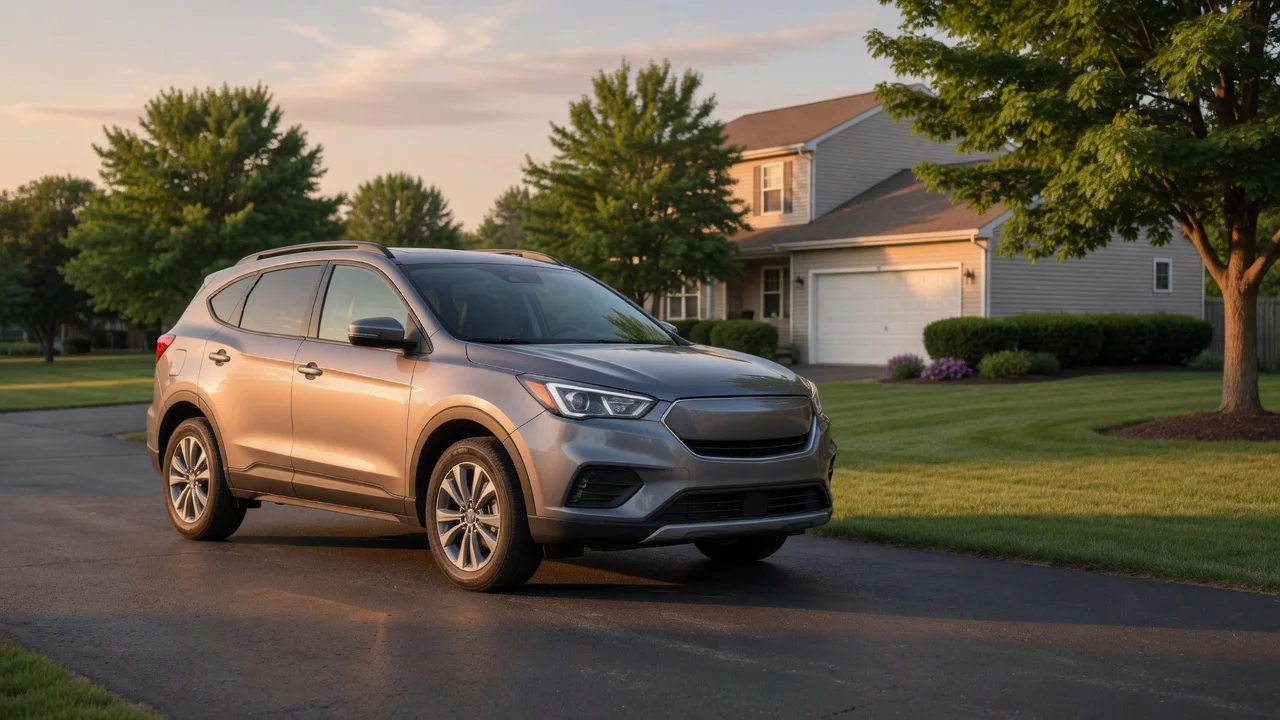
Honda CR-V insurance does not have one standard price. What you pay is a quote for a specific vehicle, set of drivers, garaging location, and coverage package. Insurers treat the CR-V as a compact crossover used for commuting and family trips, then adjust for the cost to repair or replace that year, trim, and powertrain. Two policies on similar CR-Vs can still differ by a wide margin once location, driving record, mileage, and deductibles are applied. The picture changes when the vehicle is a hybrid, a high-trim model with expensive glass or wheels, a rebuilt or salvage title, or a household with a newly licensed driver. It also changes if a lender requires collision and comprehensive, if you use the CR-V for business or rideshare, or if you carry only state-minimum liability on an older, owned-outright example. Those conditions usually move the premium more than small option differences on the window sticker.
What insurers actually rate
Carriers do not rate “CR-V” as a single class. They rate a vehicle identification number (VIN) or a year-make-model-trim combination, then layer driver, location, and policy factors on top. Safety equipment, theft experience, and parts prices are tied to that generation and market, so a U.S. fourth-generation CR-V (about 2012–2016), a fifth-generation model (about 2017–2022), and a sixth-generation model (2023 and newer) are different insurance subjects.
Vehicle-side items that commonly change a CR-V quote:
Model year and generation, including airbags, crash structure, and driver-assistance hardware available on that year; Trim and factory options that raise replacement cost, such as a panoramic roof, large alloy wheels, leather, or a premium audio system; Powertrain: a hybrid is often treated as higher claim severity than a gasoline CR-V of the same year because battery and power-electronics repairs can cost more; How common theft and parts delays are for that generation in your area; Aftermarket accessories, hitch work, roof racks, or non-factory wheels, which can affect comprehensive and collision if they are disclosed; Title status: clean versus rebuilt, salvage, or flood-branded
Driver and policy-side items that commonly change the same quote:
Age, years licensed, and at-fault or violation history for every household driver who may operate the CR-V; Annual mileage and use: pleasure, commute, business, or delivery; Overnight parking location and the claim pattern of that ZIP code or equivalent; Credit-based insurance scoring where the state or province allows it; Chosen limits, deductibles, and extras such as rental reimbursement; Multi-policy, multi-car, and continuous-coverage discounts, plus any lapse
If two listed CR-Vs look identical, still insure from the VIN. Mileage, prior structural repairs, and title brand do not always show in a trim name. Confirm those details before you compare prices, because some carriers restrict or decline rebuilt-title vehicles or require a different physical-damage setup.
Coverage choices for a CR-V
Liability pays other people for injury and property damage if you cause a crash. Collision pays to repair or replace your CR-V after a crash you cause or a single-vehicle incident such as a slide-off. Comprehensive—sometimes labeled “other than collision”—covers theft, vandalism, hail, flood, fire, and animal strikes. Uninsured and underinsured motorist coverage pays when the other driver has no insurance or too little. Medical payments or personal injury protection (PIP) helps with injury costs; PIP rules follow your state’s no-fault system, so the same CR-V can require different injury coverage after a move.
Coverage What it pays When it typically applies; Liability Injury and property damage you cause to others Required at least to the legal minimum wherever the vehicle is registered; Collision Your CR-V after a crash or single-vehicle impact Usually required by a lender or lessor; optional if you own the vehicle outright; Comprehensive Theft, weather, vandalism, fire, flood, animal strikes Usually paired with collision on a financed or leased CR-V; Uninsured / underinsured motorist Your losses when the other driver is uninsured or carries too little Required in some states; a separate decision everywhere else; PIP or medical payments Injury costs for you and passengers, per policy and state rules State-dependent; confirm before you copy limits from another state; Gap or loan/lease payoff The shortfall if a total-loss payout is below what you still owe Optional; relevant when you are financing or leasing and could be upside down
“Full coverage” in everyday use means liability plus collision plus comprehensive. It is not a legal term and does not automatically include gap, new-car replacement, rental, or extra accessory coverage. A lender or lessor typically requires collision and comprehensive until the loan or lease ends. If you own the CR-V outright, dropping those two coverages is a cash-flow trade-off: the premium falls, and a total loss of the vehicle is yours to absorb after any remaining liability and uninsured-motorist claims.
A deductible is the amount you pay first on a collision or comprehensive claim. Raising it lowers the premium and raises the check you must be able to write after a crash, hailstorm, or theft recovery. Choose a deductible you can fund without delaying repairs. On a total loss, insurers generally pay actual cash value—market value of that CR-V minus the deductible—not the remaining loan balance and not the original sticker price.
Gap coverage exists because actual cash value and the payoff can diverge quickly on a new or recently purchased CR-V, especially with a small down payment or negative equity rolled in. New-car replacement or similar endorsements, where a carrier offers them, can change a total-loss result on a recently bought vehicle; they are not built into a standard policy. Custom-parts coverage is the line to check if you added running boards, a hitch, a roof box, lighting, or aftermarket electronics. Ordinary comprehensive often values factory-equivalent equipment, not the installed cost of extras.
Year, trim, powertrain, and market caveats
Keep every specification claim tied to the CR-V you will insure. Crash-avoidance hardware, hybrid availability, windshield and camera calibration, and body-repair procedures differ by generation. A base gasoline trim is not interchangeable with a hybrid or with a high-trim Touring, EX-L, Sport, or equivalent package of the same year. Large wheels, a panoramic roof, and complex driver-assistance cameras can raise both repair cost and comprehensive exposure, particularly for glass.
Market and registration rules are part of the vehicle, not extras. U.S. trim names, required liability limits, and no-fault (PIP) rules do not map cleanly onto Canada, the United Kingdom, or other regions. Even inside one country, minimum liability, whether credit scoring is allowed, and whether a rideshare or delivery use needs an endorsement will change both the legal floor and the competitive quote.
Unresolved differences to verify on the quote rather than assume from a listing or a forum average:
Whether the VIN is coded as hybrid or gasoline; Whether a panoramic roof, specific infotainment unit, or driver-assistance package is on the vehicle record; Title brand and any prior structural or flood damage; Declared annual mileage and commute distance; Which household members are listed as principal versus occasional drivers; Whether accessories are scheduled or excluded
How to compare quotes and pick a next step
Shop with the VIN, the ZIP code or equivalent where the CR-V is garaged overnight, license details for every household driver, current limits and deductibles, and the lienholder or lessor if any. Ask each insurer to price the same bodily injury limits (per person and per accident), property damage liability, uninsured and underinsured motorist, collision deductible, and comprehensive deductible. A cheaper premium with much lower injury or uninsured-motorist limits is a different product, not a discount on the same one.
Ask what would change the price: adding a teen, raising mileage, switching pleasure use to commuting, adding a roof rack, or declaring business use. Ask whether discounts apply for antitheft equipment or for crash-avoidance features actually present on your year. Ask how windshield and camera-calibration claims are handled; some policies use a separate glass deductible. If you are buying the CR-V, get those matching quotes before you sign, because insurance sits in the monthly cost beside the payment, fuel, and maintenance. If you already own one, the natural times to reshop are renewal, a move, a driver add or remove, or a change from financed to owned outright.
What this guidance cannot pin down
Current average premiums, ranked carrier prices, and repair-cost figures for a given CR-V year are not included here. Those numbers move with state or provincial rules, the VIN, the date of the quote, and local parts and labor conditions. A binder or declarations page from a licensed insurer or agent is the document that states what you will pay and what is covered. Confirm minimum liability, no-fault, and any rideshare or business endorsement for your registration and use case before you bind coverage.